Auto Dropshipping Explained: Tools, Fulfillment Services & Product Sourcing Guide
Learn how Auto Dropshipping transforms your store. This guide covers fulfillment services, product sourcing from China, and Shopify integration to help you scale without the manual workload. Discover how to build a reliable supply chain today.
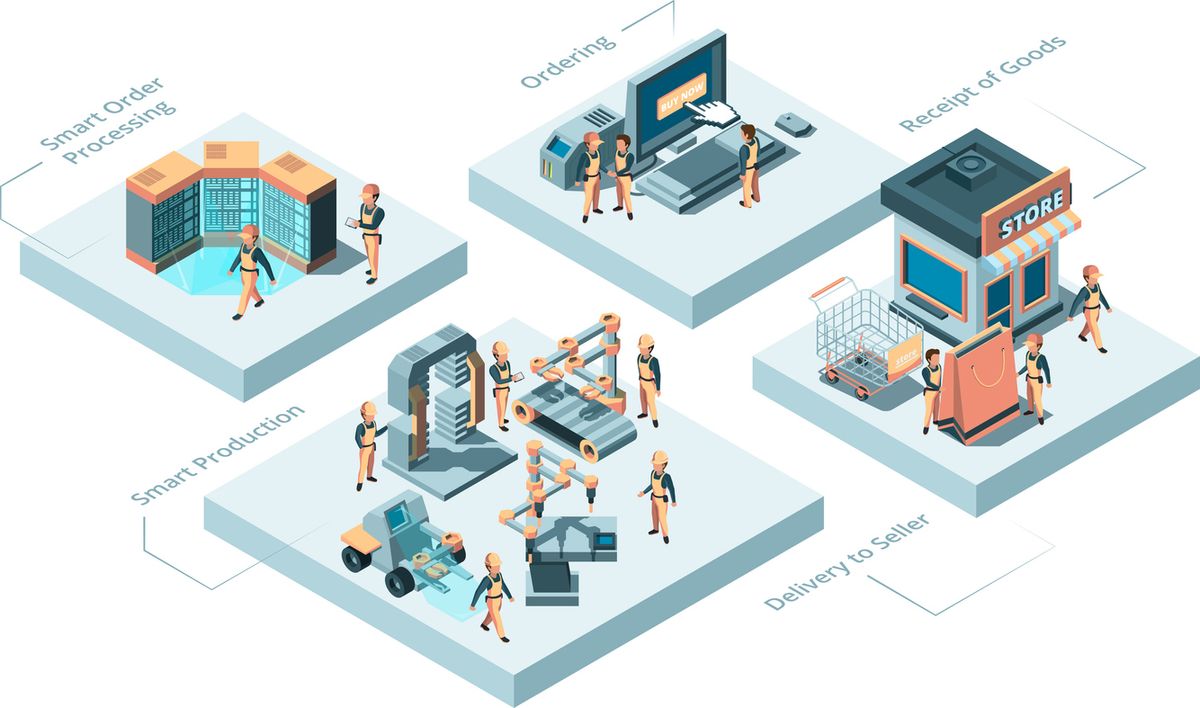
Table of contents
- What Is Auto Dropshipping and How Does It Work?
- Why Most Sellers Struggle Without Reliable Dropshipping Fulfillment Services?
- How Auto Dropshipping Systems Integrate with Shopify and Other Platforms?
- What to Look for in Best Dropshipping Software?
- Product Sourcing in Auto Dropshipping: From China Dropship to Structured Supply Chains
- Global Fulfillment Infrastructure: From China to Local Warehouse Delivery
- Case Studies: Real Results from Auto Dropshipping Systems
- Auto Dropshipping vs Traditional Dropshipping
- Pitfall Avoidance Checklist When Choosing Dropship Fulfillment Services
- Compliance and Data Security in Auto Dropshipping Systems
- FAQ: Auto Dropshipping, Fulfillment, and Sourcing
- Conclusion
Why do most dropshipping stores fail when orders grow—and what actually fixes it?
At first, manual fulfillment works. But as volume grows, delays, stock issues, and supplier inconsistencies start to surface. According to , dropshipping removes inventory risk—but shifts the burden to fulfillment and supplier coordination. At the same time, global eCommerce is projected to exceed $7 trillion (Statista), raising customer expectations for fast delivery.
This is where auto dropshipping comes in—not just to automate orders, but to create a system that connects sourcing, fulfillment, and delivery into one controlled workflow.
What Is Auto Dropshipping and How Does It Work?
If you’ve ever handled orders manually, you’ve probably felt the moment things stop scaling. At first, copying orders, sending them to suppliers, and updating tracking feels manageable. But once orders start stacking up, even at 20–30 per day, that routine quickly turns into a bottleneck you can’t ignore.
That’s where auto dropshipping comes in. Instead of relying on manual steps, it connects your store directly to sourcing and fulfillment through a system. Orders are captured instantly, routed to suppliers, and processed without you stepping in each time. You’re no longer reacting to orders—you’re letting the system handle them as they come.
The real shift here isn’t convenience, it’s structure. Manual dropshipping depends on your time, which means growth always creates more work. Automated systems remove that dependency. Whether you’re processing 10 orders or 200, the workflow stays the same, which is what makes scaling possible.
What makes this work isn’t just automation—it’s how everything connects. Orders sync in real time, sourcing is triggered immediately, quality checks happen before shipping, and tracking flows back automatically. When done right, there are no gaps where delays or errors creep in.
This is where systems like BuckyDrop come into play. It’s not about adding another tool, but about turning scattered steps into one continuous process that runs reliably in the background.
Why Most Sellers Struggle Without Reliable Dropshipping Fulfillment Services?
Here’s the reality: most sellers don’t fail because of bad products. They fail because their backend can’t keep up.
Without structured dropshipping fulfillment services, three problems show up quickly:
● Manual processing slows everything down

What takes 30 seconds per order becomes hours at scale
● Unstable delivery timelines
One supplier ships in 5 days, another takes 12—customers notice
● Supplier inconsistency
Stock issues, quality problems, and delayed responses At first, these look like small issues. But once you’re handling dozens of orders daily, they compound fast.
The Limitations of Basic Dropship Services
Most so-called dropship services don’t actually solve the problem—they just shift it.
● Order forwarding vs real fulfillment
Many tools simply pass your order to a supplier. They don’t control sourcing, QC, or shipping
● No system-level control
You’re still dependent on supplier response times, stock accuracy, and manual fixes It’s like outsourcing the task—but not the responsibility.
Why Dropship Fulfillment Services Matter for Scaling?
This is where proper dropship fulfillment services make a measurable difference.
● Handling volume without friction
Whether it’s 20 or 200 orders, the system processes them the same way
● Reducing operational errors
No manual entry means fewer mistakes—wrong items, wrong addresses, missed orders
● Supporting growth without hiring
Instead of building a team, you upgrade the system One seller we’ve seen reduced order processing time by 90% and doubled their business within two months—not by changing products, but by replacing manual workflows with automated fulfillment.
How Auto Dropshipping Systems Integrate with Shopify and Other Platforms?
If you’re running Shopify, integration isn’t optional—it’s what keeps everything from breaking. Without it, you’re constantly checking orders, updating suppliers, and fixing mismatches after the fact.
With auto dropshipping, the system connects directly through APIs. Orders are captured instantly, inventory and pricing stay aligned in real time, and tracking flows back automatically. You’re no longer reacting to problems—you’re preventing them.
This level of sync also reduces risk. Systems built within Shopify’s ecosystem standards are far less likely to disconnect or cause operational issues, which becomes critical once order volume increases.
What to Look for in Best Dropshipping Software?
The best dropshipping software isn’t defined by features—it’s defined by how it performs when your store is under pressure.
A shallow tool might sync orders but still leave gaps in inventory accuracy or fulfillment. A proper system connects everything. Orders trigger sourcing, fulfillment follows immediately, and data stays consistent across the entire workflow.
That’s where platforms like BuckyDrop stand out. Instead of just passing orders along, it manages what happens after the order is placed—linking sourcing, fulfillment, and delivery into one controlled process.
At scale, that distinction matters. It’s not about automation—it’s about whether your system can grow without creating new problems.
Product Sourcing in Auto Dropshipping: From China Dropship to Structured Supply Chains
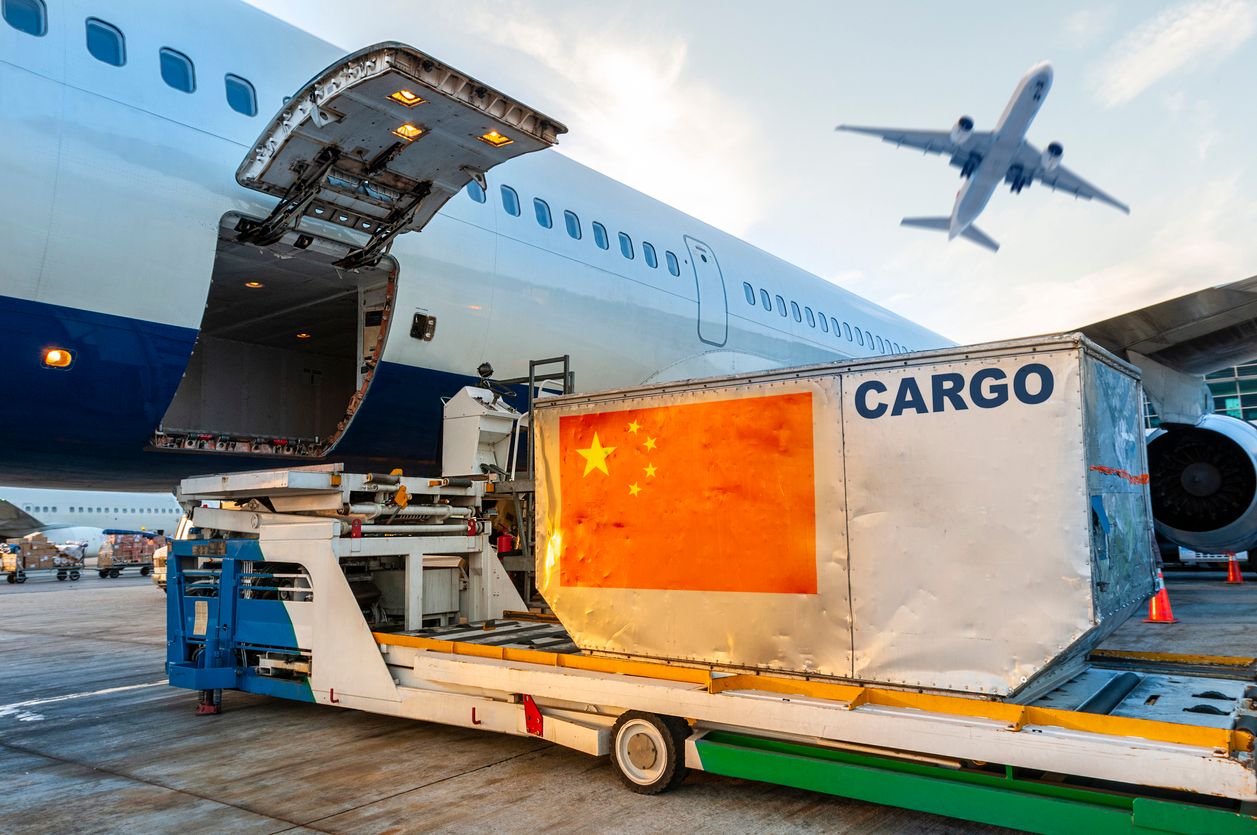
Most sellers start with a typical china dropship approach—find a product, list it, and rely on a supplier to handle shipping. It works early on, but problems tend to show up at the worst possible time. Prices shift without warning, stock disappears mid-campaign, and product quality isn’t always consistent.
The real issue isn’t China sourcing itself—it’s the lack of structure behind it. When sourcing is reactive, every order carries uncertainty. Over time, that leads to a pattern most sellers recognize:
● Orders delayed because suppliers can’t keep up
● Inventory mismatches that cause overselling
● Quality inconsistencies that trigger refunds
Once volume increases, these aren’t isolated issues anymore—they become part of daily operations.
What Is Drop Sourcing and How It Affects Your Margins?
Drop sourcing sounds like a simple upgrade—moving closer to suppliers to improve pricing—but in practice, it’s more nuanced.
When done properly, it gives you:
● Better cost control
● More stable supply
● Improved margin consistency
But here’s where many sellers get it wrong. They assume switching sourcing methods automatically solves instability. It doesn’t. If suppliers aren’t vetted or the process isn’t structured, the same issues follow—just at a different level.
So the real question isn’t “Are you drop sourcing?”
It’s “Do you actually control the sourcing process?”
Using Product Sourcing Tools to Improve Supplier Stability
This is where product sourcing tools become more than just search tools—they act as filters and control layers.
Instead of manually testing suppliers and hoping for consistency, structured systems give you visibility into:
● Supplier reliability over time
● Pricing stability across orders
● Real-time inventory availability
That visibility changes how decisions are made. You’re no longer reacting after something goes wrong—you’re operating with fewer unknowns from the start.
Platforms like BuckyDrop take this further by embedding sourcing directly into fulfillment. Instead of treating it as a separate step, it becomes part of the same system, which is what reduces variability when scaling.
Global Fulfillment Infrastructure: From China to Local Warehouse Delivery
Sourcing gets the product ready—but fulfillment determines the customer experience.
Most sellers begin with cross-border shipping, where delivery times can vary widely. One order arrives in a week, another takes twice as long. That inconsistency is where trust starts to break down.
As stores grow, the shift toward local fulfillment becomes necessary. With regional warehouses, delivery typically moves into the 3–7 day range, which directly impacts:
● Conversion rates at checkout
● Customer satisfaction after delivery
● Repeat purchase behavior
Speed matters, but predictability matters more.
How China Dropship Models Transition to Local Warehouse Dropshipping?
This shift usually happens when a product proves consistent demand. Instead of shipping each order individually from overseas, inventory is positioned closer to the customer.
What changes isn’t just delivery time—it’s control. Shipping becomes predictable rather than variable.
In practice, the transition looks like this:
● Initial stage: cross-border fulfillment with longer timelines
● Growth stage: stable demand identified
● Scaling stage: inventory moved to local warehouses
Systems like BuckyDrop simplify this transition by connecting sourcing and warehousing within the same workflow, so you’re not rebuilding operations as you scale.
Case Studies: Real Results from Auto Dropshipping Systems
The difference between manual and structured systems becomes clear when you look at real scenarios.
A beginner seller, starting with no prior experience, used an automated setup to handle sourcing and fulfillment. Instead of getting stuck learning operations, they focused on product testing and were able to launch a profitable store within weeks.
At a different stage, a scaling seller replaced manual workflows with automation and reduced order processing time by 90%. Within two months, their business doubled—not because demand changed, but because operations stopped slowing them down.
Shipping improvements show a similar pattern. One seller moved from inconsistent 10–15 day delivery times to under 7 days by switching to a more structured fulfillment model. That change led to better reviews and stronger repeat purchase rates.
Supplier stability also plays a major role. By working with vetted sourcing instead of unverified suppliers, another store significantly reduced refund and dispute rates, which had a direct impact on profitability.
At higher volumes, the impact becomes even more obvious. A growing brand was able to handle hundreds of daily orders without expanding their team, simply because the system absorbed the workload.
Not every case succeeds, though. One seller relied entirely on automation while choosing products based only on trends, without validating demand. The result was unsold inventory and weak sales.
That example highlights something important:
● Automation removes operational limits
● But it doesn’t fix poor product decisions
And that’s where most people misunderstand how this model actually works.
Auto Dropshipping vs Traditional Dropshipping
Most sellers don’t notice the difference until things start breaking. On the surface, both models look similar—you sell a product, a supplier ships it. But once order volume increases, the gap becomes obvious.
Factor | Traditional | Auto Dropshipping |
Order handling | Manual | Automated system |
Supplier sourcing | Unstructured | Verified network |
Inventory updates | Delayed | Real-time sync |
Shipping speed | 7–15+ days | 3–7 days |
Scalability | Limited | System-driven |
In a traditional setup, every step depends on you or your supplier reacting in time. With auto dropshipping, the system handles those steps consistently, which is why it scales without adding operational pressure.
Pitfall Avoidance Checklist When Choosing Dropship Fulfillment Services
Not all dropship fulfillment services are built to handle real-world conditions. Some work fine at low volume but start failing once orders increase.
Before choosing a system, it’s worth asking a few practical questions. Are you actually controlling sourcing, or just forwarding orders and hoping for the best? Is inventory synced in real time, or are you finding out about stock issues after a sale is made? Do suppliers go through any vetting process, or are you relying on whoever is available at the moment?
It also helps to look at fulfillment from the customer’s perspective. Can the system support local warehouse delivery when needed? Is there any form of quality control before products are shipped out? And just as importantly, does it integrate directly with Shopify, or are there gaps where manual work still creeps in?
Delivery timelines and pricing stability matter just as much. If shipping times fluctuate or margins shift unexpectedly, it becomes difficult to maintain consistency. The more of these questions you can answer with certainty, the more stable your operation becomes.
Compliance and Data Security in Auto Dropshipping Systems
Most sellers only think about operations, but compliance plays a quiet role in keeping everything stable.
When a system aligns with Shopify’s app ecosystem standards, integration tends to be more reliable. Fewer disconnections, fewer syncing issues, and less risk of disruptions that can affect your store directly.
Data protection is another layer that’s easy to overlook. Regulations like GDPR aren’t just legal requirements—they define how customer data is handled and stored, especially if you’re selling into UK or EU markets. Ignoring this side of the business can create risks that have nothing to do with products or fulfillment, but still impact long-term growth.
FAQ: Auto Dropshipping, Fulfillment, and Sourcing
What is auto dropshipping?
It’s a system where orders, sourcing, and fulfillment are handled automatically, reducing the need for manual processing.
How should I evaluate “best source auto” or “source one auto” solutions?
Instead of focusing on names, look at whether the system actually controls sourcing, fulfillment, and delivery in one workflow.
Is a dropshiptool enough to manage a growing store?
Most dropshiptool solutions handle order syncing, but without supply chain control, they often fall short at scale.
How do I evaluate options like best source auto or source one auto?
Instead of focusing on names, look at whether the system actually controls sourcing, fulfillment, and delivery in one workflow.
How do dropshipping fulfillment services work?
They connect your store to suppliers and manage order processing, shipping, and tracking within a structured workflow.
What is the difference between dropship services and full fulfillment systems?
Basic dropship services forward orders, while full systems manage sourcing, quality control, and delivery.
Is China dropship reliable?
It can be, but reliability depends on supplier quality and how structured your sourcing process is.
What is drop sourcing?
It’s sourcing products closer to manufacturers rather than through retail channels, often improving cost control.
What are the best product sourcing tools?
The best ones provide supplier filtering, pricing stability, and real-time inventory visibility—not just product discovery.
What qualifies as best dropshipping software?
Software that integrates deeply with your store and manages fulfillment beyond simple order syncing.
Can beginners use auto dropshipping?
Yes, especially since automation removes much of the operational complexity early on.
Does automation reduce refunds?
It can, by improving delivery consistency and reducing fulfillment errors.
What happens if inventory is out of sync?
Overselling occurs, leading to delays, cancellations, and customer dissatisfaction.
Do I still need to research products?
Yes. Automation improves execution, but product selection still determines demand.
Conclusion
It’s easy to assume automation is the advantage, but that’s only part of the picture. What actually changes outcomes is control—knowing where your products come from, how they’re fulfilled, and when they’ll arrive. When sourcing is structured, inventory is synced in real time, and delivery timelines are predictable, the entire business becomes more stable, so instead of reacting to problems as they appear, you’re operating within a system designed to prevent them.
If your current setup still depends on manual steps or inconsistent suppliers, those weaknesses won’t stay hidden for long—they’ll show up as delays, errors, and lost customers as soon as you try to scale. The smarter move is to look at where your process slows down and where visibility is missing, then shift toward a system that connects sourcing, fulfillment, and delivery into one continuous workflow. That’s where platforms like BuckyDrop stand out, not as an extra tool, but as a way to replace fragmented operations with a structure that can actually support growth without breaking.