How to Choose a Reliable Dropshipping Supplier for Your Shopify Store
Learn how to choose a reliable dropshipping supplier for Shopify. Avoid fulfillment chaos, reduce PayPal disputes, and scale your China dropshipping safely with our 7-step expert vetting process.

Table of Contents
How to choose a reliable dropshipping supplier
Why Your Dropshipping Supplier Determines Your Store’s Success
What Makes a Dropshipping Supplier Reliable?
Stable Inventory
Consistent Processing Time
Predictable Shipping
Clear Quality Control
Structured Order Management
7 Steps to Choose the Right Dropshipping Supplier for Shopify
Step 1: Define Your Product and Shipping Standards
Step 2: Order Samples and Track the Full Timeline
Step 3: Test Communication Responsiveness
Step 4: Verify Automation and Order Sync
Step 5: Evaluate Capacity at 50–100 Orders Per Day
Step 6: Review Refund and Dispute Policy
Step 7: Assess Long-Term Scalability
Where to Find a Reliable Dropshipping Supplier
Red Flags to Avoid When Choosing a Dropshipping Supplier
Frequently Asked Questions
Conclusion
You launch a product, your ads start converting, and orders begin coming in consistently. At first, everything looks fine. Then your supplier runs out of stock without notice. Tracking numbers stop updating. Shipping stretches from 10–12 days to 20+ days. Customers start emailing. A few open PayPal disputes.
I’ve seen Shopify stores lose $15,000 to $30,000 in ad spend in a single month because of this. The product was selling. The ads were working. The margins were healthy. The real problem was the wrong dropshipping supplier.
When you scale a Shopify store, fulfillment becomes the business. Marketing drives traffic, but operations protect revenue. If you’re doing dropshipping from China, supplier structure matters far more than finding the cheapest price on a product page.
In this guide, I’ll walk you through how experienced sellers evaluate suppliers before scaling, what warning signs to look for, and how to avoid fulfillment chaos by choosing reliable dropshipping fulfillment services from the start.
Why Your Dropshipping Supplier Determines Your Store’s Success
Most new sellers focus on product selection and ad creatives, but experienced operators know that the real risk sits in fulfillment. Once your store passes 20–30 orders per day, your dropshipping supplier directly affects cash flow, dispute rates, and ad scalability.
Here’s what happens in real stores:
● If inventory is not synced properly, you oversell and spend the next two weeks issuing refunds.
● If processing time quietly increases from 2 days to 6 days, your delivery window doubles.
● If shipping averages 18–25 days, dispute rates can easily cross 1%, which puts payment processors on alert.
At that point, scaling becomes dangerous. You are not building a brand. You are managing damage.
Many sellers doing dropshipping from China choose suppliers based on price alone. That works at 5 orders per day. It breaks at 50. A reliable supplier is not just someone who can source a product cheaply. It is a structured drop shipping company with stable inventory, clear processing timelines, and predictable shipping performance.
The difference between a store that scales and a store that collapses is usually operational control. A serious dropship company understands order flow, quality control, and delivery consistency. Without that structure, every increase in ad spend increases risk.
If your supplier cannot support growth, your marketing success becomes a liability instead of an advantage.
What Makes a Dropshipping Supplier Reliable?
After scaling multiple stores, the gap between a random vendor and a reliable dropshipping supplier becomes obvious. Reliability shows in operations, not promises.
Stable Inventory
● Verified stock, not marketplace assumptions
● Inventory confirmed before scaling ads
● Backup supply for winning products
Many sellers who dropship from China fail because they never confirm real stock.
Consistent Processing Time
● 1–3 business day handling
● No sudden delays during peak periods
● Clear daily order capacity
Small processing delays quickly double total delivery time.
Predictable Shipping

● Stable 7–12 day delivery window
● Tracking updates within 48–72 hours
● No random carrier switching
Unstable shipping is one of the biggest risks in dropshipping China operations.
Clear Quality Control
● Batch inspection before shipment
● Defined replacement policy
● Responsibility clearly assigned
Without QC, refund rates increase as volume grows.
Structured Order Management
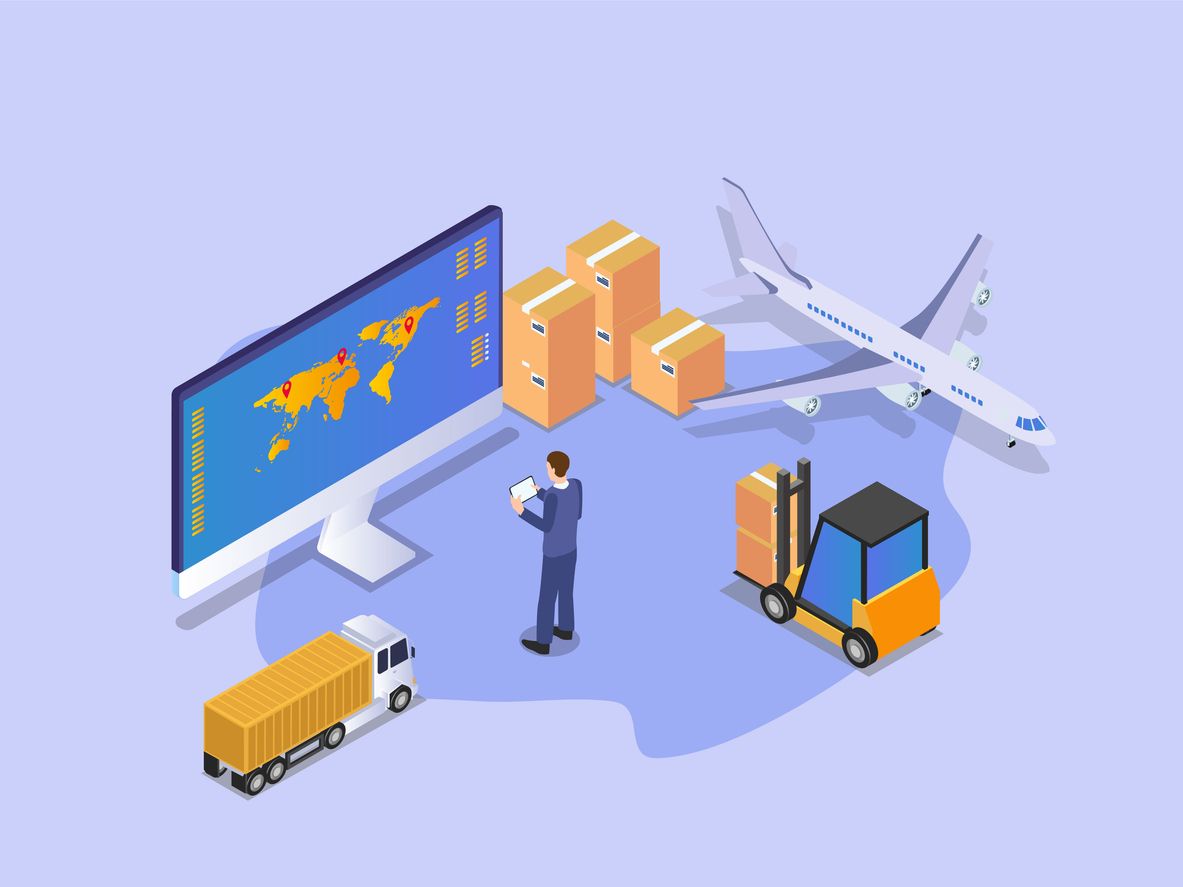
● Automated Shopify order sync
● Real-time tracking uploads
● Centralized order dashboard
Reliable dropshipping fulfillment services operate as systems, not individuals.
Reliability is not about the cheapest cost. It is about operational control that supports growth.
7 Steps to Choose the Right Dropshipping Supplier for Shopify
Choosing a supplier should be a structured process. Most problems happen because sellers skip testing and move straight to scaling.
Step 1: Define Your Product and Shipping Standards
Before contacting any dropshipping supplier, clarify:
● Target market (U.S., EU, AU).
● Acceptable delivery window (e.g., under 12 days for U.S.).
● Maximum processing time (ideally 1–3 days).
● Quality expectations and packaging level.
If you do not define standards first, you cannot evaluate suppliers objectively.
Step 2: Order Samples and Track the Full Timeline
Do not just check product quality. Track operations.
● Record processing time from payment to shipment.
● Monitor tracking activation speed.
● Measure total delivery time.
● Evaluate packaging condition on arrival.
When doing dropshipping from China, small delays at the warehouse level often compound into long delivery times.
Step 3: Test Communication Responsiveness

During scaling, response speed matters.
● How fast do they reply during working hours?
● Do they provide clear answers or vague promises?
● Can they handle problem orders quickly?
At 50+ daily orders, slow communication becomes a daily bottleneck.
Step 4: Verify Automation and Order Sync
Manual fulfillment is risky.
A serious supplier should support:
● Automatic Shopify order import.
● Bulk order processing.
● Automatic tracking number updates.
Without an automated order management structure, scaling increases human error.
Step 5: Evaluate Capacity at 50–100 Orders Per Day
Ask directly:
● How many daily orders do they currently handle?
● Do they have dedicated staff for your store?
● Can they reserve stock for winning products?
Many suppliers work well at low volume but collapse when ads scale.
Step 6: Review Refund and Dispute Policy
Clear policies reduce stress.
● Who covers lost packages?
● What qualifies as a free replacement?
● How fast are issues resolved?
Unclear policies turn small issues into payment processor problems.
Step 7: Assess Long-Term Scalability
If you plan to build a brand, not just test products, check whether they support:
● Private label packaging.
● Custom inserts.
● Stable dropshipping fulfillment services for scaling.
At this stage, many sellers move from random vendors to structured solutions like Buckydrop, where sourcing, QC, automation, and China fulfillment are managed under one system.
Choosing the right supplier is less about price comparison and more about operational control. Scaling safely depends on it.
Where to Find a Reliable Dropshipping Supplier
Your sourcing channel should match your growth stage. Testing and scaling require different levels of structure.
1. Marketplace Suppliers
Many beginners start here when running a shopify dropship store.
● Easy setup.
● No contracts.
● Large catalog.
But once you scale:
● Inventory becomes unstable.
● Processing time increases without warning.
● Quality varies between batches.
Good for product testing. Not ideal for long-term stability.
2. Direct Manufacturers
If you plan serious dropshipping from China, factory relationships offer:
● Better pricing at volume.
● More predictable production.
However:
● MOQs are common.
● You manage QC yourself.
● Logistics coordination becomes your job.
This works only if you have operational experience.
3. Structured Dropshipping Fulfillment Services
Scaling stores usually move to structured dropshipping fulfillment services instead of relying on scattered vendors.
These systems typically provide:
● Centralized product sourcing
● Quality control checks
● Automated order syncing
● Dedicated shipping lines
● Managed China fulfillment
Platforms like Buckydrop fall into this category. Instead of acting as a single supplier, they operate as a coordinated system that handles sourcing, inspection, automation, and cross-border shipping in one workflow.
When sellers compare options and look for the best drop shipping companies, they often realize that long-term growth depends on structure, not just product cost.
The more you scale, the more your supply chain needs to function like a system, not a collection of random vendors.
Red Flags to Avoid When Choosing a Dropshipping Supplier
1. Unrealistically Low Pricing
● 20–30% below market average usually means quality or shipping instability.
● Cheap quotes often turn into refund costs later.
2. No Clear Processing Time
● Cannot confirm 1–3 day handling window.
● No daily order capacity transparency.
3. No Structured Quality Control
● No clear inspection process.
● No defined replacement policy.
4. Manual Order Handling
● Orders managed via spreadsheets or chat.
● No automation or tracking sync.
● High error risk at scale.
5. Vague Refund Policy
● Lost package responsibility unclear.
● Slow dispute resolution.
Reliable suppliers operate like systems, not individual sellers.
Frequently Asked Questions
1. How do I find a reliable dropshipping supplier for Shopify?
Look for a dropshipping supplier that can confirm stable inventory, 1–3 day processing time, and consistent shipping performance. Always test with sample orders before scaling.
2. Is dropshipping from China still profitable?
Yes, dropshipping from China is still profitable if fulfillment is stable and shipping times are predictable. Most losses happen due to poor supplier structure, not product margins.
3. What is a safe processing time for Shopify dropshipping?
A safe processing time is 1–3 business days. Longer handling times significantly increase delivery delays and dispute risk.
4. When should I switch to dropshipping fulfillment services?
Once your store reaches 30–50 daily orders, structured dropshipping fulfillment services provide better inventory control and automation than marketplace suppliers.
5. What dispute rate is risky for a dropshipping store?
A dispute rate near or above 1% can trigger payment processor monitoring. Shipping delays and poor tracking updates are the most common causes.
6. What makes dropshipping fulfillment services different from regular suppliers?
Dropshipping fulfillment services offer automated order syncing, quality control, and managed shipping systems, while regular suppliers typically only source and ship products.
Conclusion
Choosing a dropshipping supplier is not about finding the lowest price. It is about protecting your cash flow when orders scale.
At low volume, almost any vendor can work. At 50+ orders per day, weak structure shows fast. Delays increase. Refunds rise. Ad spend becomes risky.
If you plan to build a long-term store through dropshipping from China, focus on:
● Stable inventory
● Predictable processing
● Clear QC standards
● Structured dropshipping fulfillment services
Sellers who treat fulfillment seriously scale with confidence. Those who ignore it spend their time managing disputes instead of growing revenue.