How to Start Dropshipping: The Best Way to Start Dropshipping in 2024
Learn the best way to start dropshipping with this step-by-step guide covering product selection, platform research, legal basics, marketing, and customer service for beginners.
With the rise of online platforms and social media, the dropshipping industry has experienced significant growth and offers an optimistic path for aspiring entrepreneurs. In this guide, we will explore the basic steps and strategies for entering the world of dropshipping. This step-by-step approach outlines the best way to start dropshipping for beginners in 2024.
The Best Way to Start Dropshipping for Beginners
The best way to start dropshipping is to begin with a clear understanding of your market, product direction, and supplier options before investing too much time or money. Many beginners make the mistake of choosing products too quickly or relying on tools without first understanding how the business model works. A stronger approach is to build a simple foundation step by step, starting with niche research, supplier evaluation, and platform selection. This helps reduce early mistakes and gives new sellers a more realistic path toward sustainable growth.
For beginners, the best way to start dropshipping is usually not the fastest shortcut, but the most practical and repeatable process. That means choosing products with clear demand, using reliable dropshipping tools, learning basic marketing skills, and preparing for customer service and fulfillment challenges from the start. By building the business in a structured way, sellers can avoid common setup problems and create a more stable operation as they grow.
Understand the Dropshipping Model
Before starting with dropshipping, it's crucial to understand the basics of the business model. Dropshipping involves selling products or services directly to consumers outside the traditional retail environment. This can be achieved through various channels, including face-to-face sales, online platforms, or social media networks. By cutting out middlemen, dropshippers can often offer competitive pricing and personalized customer experiences.
Choose the Right Product
Selecting the right product is vital for your success in dropshipping. When evaluating potential opportunities, consider your interests, expertise, and target market. Look for products with high demand, unique selling points, and support from well-known brands or companies. Also, choosing products you genuinely believe in and are passionate about is important, as this will resonate with customers and strengthen your selling power.
Research and Select Reputable Dropshipping Platforms
| Model Type |
Traditional Manual Sourcing |
Modern Full Automation System |
Core Impact for Beginners |
|---|---|---|---|
| Product Listing |
Manual entry; no stock sync triggers crises. | Native app integration; auto-updates inventory. | Eliminates manual labor and spreadsheet errors. |
| Quality Fulfillment |
Blind shipping; high dispute and return rates. | Centralized QC hub checks items before export. | Safeguards brand reputation and slashes returns. |
After identifying the target market and product preferences, research carefully and select reputable dropshipping tools and platforms. Before making a choice, consider the platform's setup fees, support services, commission structure, and any associated startup costs or fees.
You can use BuckyDrop for dropshipping as an excellent tool and platform that offers a wealth of features and support suitable for different types of dropshipping businesses. It has a good reputation and a broad user base, providing users with comprehensive automation, marketing tools, and customer service support. Additionally, BuckyDrop's commission structure and reward mechanisms are relatively motivating, helping users achieve sales targets and earn considerable profits.
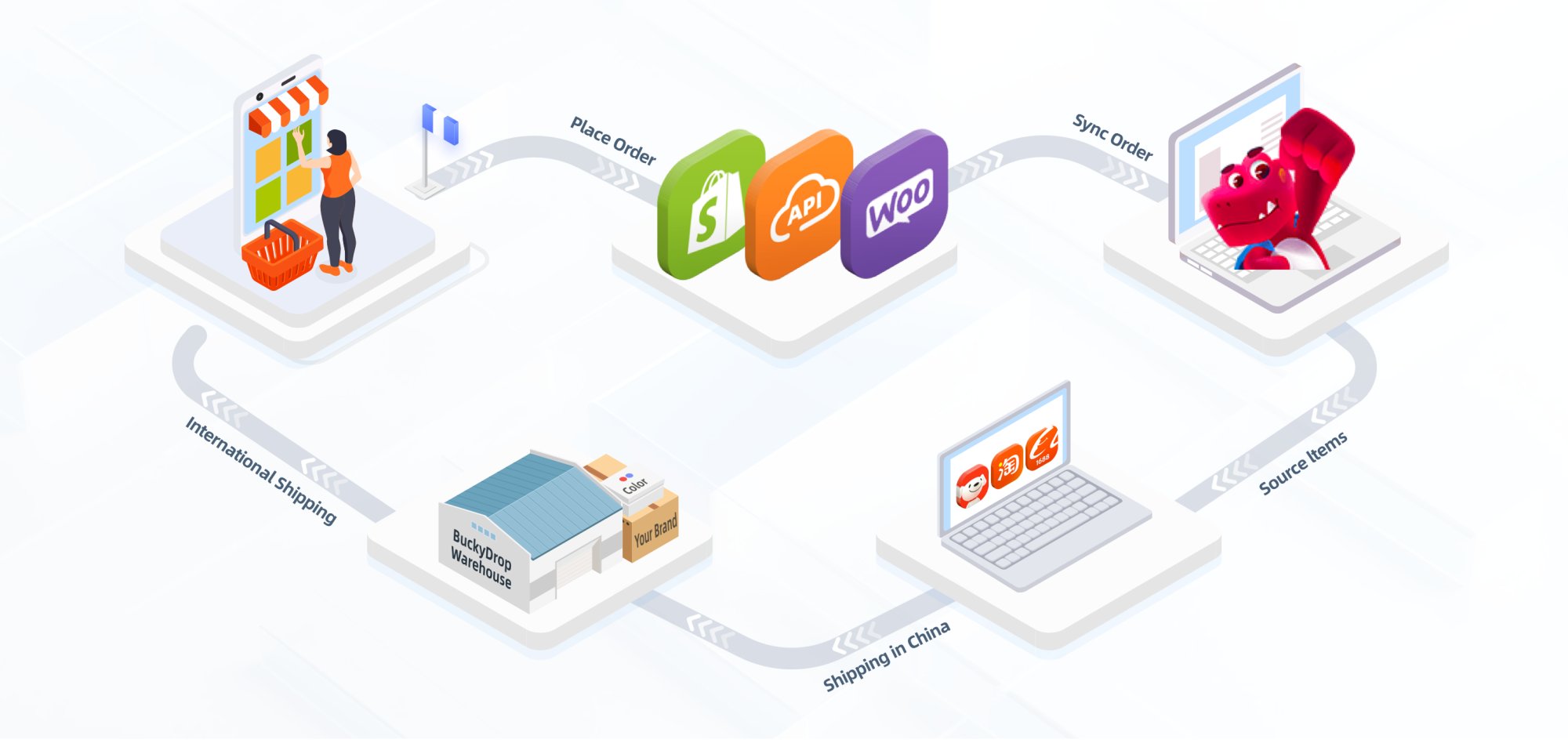
After choosing efficient tools like BuckyDrop, you still need to focus on your core supply chain. For advanced sellers seeking higher profit margins and more reliable product sources, the 1688 dropshipping shopify model is currently the most competitive option. As China's leading B2B wholesale platform, 1688 hosts a massive number of factory-direct sources. It not only provides you with highly competitive procurement pricing but also integrates seamlessly with your Shopify store via BuckyDrop's automated workflows, allowing you to build a long-term, stable cross-border e-commerce supply chain.
Familiarize Yourself with Legal and Compliance Requirements
Before embarking on dropshipping, familiarize yourself with the legal and compliance requirements regulating the industry in your region. Dropshipping is governed by regulations aimed at protecting consumers and ensuring ethical business conduct. Understand applicable laws, including those related to taxes, consumer protection, and advertising standards, to run your business responsibly and avoid potential risks.
Global Sourcing Logistics & Compliance FAQ Section
Q1: How can an e-commerce beginner run a dropshipping store fully in compliance to prevent payment card or gateway bans?
A: The two main red flags that trigger instant store shutdowns are listing trademark-infringing knockoffs and generating high chargeback volumes due to massive courier delays or defective items. Merchants must align operations with a dedicated supply chain platform that traces authorized factory items and executes manual pre-shipment Quality Control (QC). Ensuring every exported box is flawless keeps your payment merchant channels completely safe.
Q2: When sourcing items from multiple separate factories, will my overseas end-customers receive mismatched parcels filled with local domestic flyers?
A: If you rely on unverified direct seller mailing, shoppers will receive fragmented, damaged packaging layered in domestic domestic transit labels and Chinese promotional printouts, destroying your store's brand equity. An enterprise fulfillment model sweeps away this issue by consolidating cargo inside smart transit hubs, stripping off industrial factory packaging, and assembling orders into a sleek, white-label premium box for an elite unboxing presentation.
Q3: Why is securing flexible payment methods and stress-free international return policies a make-or-break asset for a new store?
A: Newly established storefronts naturally suffer from a lack of historical user trust. Securing an upstream network that accommodates international credit cards and leading digital wallets drastically optimizes a merchant's cash flow. More importantly, when unpredictable shipping transit damage occurs, a backend partner that facilitates smooth returns empowers you to resolve complaints instantly, driving customer lifetime value and retention.
Develop Sales and Marketing Skills
Success in dropshipping depends on your ability to effectively market and sell products. Invest time in improving your sales and communication skills, including product knowledge, persuasion techniques, and relationship-building strategies. Expand your influence using digital marketing tools and social media platforms, engage with your audience, and promote your products effectively.
Build Your Network and Customer Base
One of the key advantages of dropshipping is leveraging personal and professional networks to grow your business. Start by connecting with friends, family, and acquaintances, introducing them to your products, and seeking their support. Attend social events, join online communities, and participate in industry-related activities to expand your network and attract new customers.

Provide Excellent Customer Service
Customer satisfaction is critical in dropshipping and can greatly impact your success and reputation as a seller. Prioritize offering quality customer service by promptly answering questions, delivering orders accurately and on time, and providing ongoing support and assistance to customers. Building trust and maintaining good relationships with customers can lead to repeat business, referrals, and long-term success.

Continuously Learn and Adapt
The dropshipping industry is dynamic, constantly evolving, and requires continuous learning and adaptation to remain competitive. Stay informed about industry trends, consumer preferences, and new marketing techniques to refine your strategy and maintain a competitive edge. Accept feedback from customers and other sellers and be willing to adjust your methods as needed to optimize your business performance.

In summary, dropshipping offers flexible and lucrative opportunities for those who aspire to start their own business and earn an income in their own way. By following this guide and implementing reliable strategies, you can begin a successful dropshipping journey, discovering the best way to start dropshipping and realize your entrepreneurial aspirations.
Once you've mastered the fundamentals of dropshipping, it's time to optimize your sourcing strategy. By utilizing the 1688 dropshipping shopify workflow, you can bypass intermediaries and connect directly with manufacturers. This approach not only significantly reduces procurement costs and boosts profit margins but also ensures supply stability. Coupled with BuckyDrop’s quality inspection and automated fulfillment services, scaling your Shopify business from startup to enterprise becomes effortless.
Real Case Study: Overcoming Spreadsheet Fatigue and Forging a Premium High-Retention Brand Store
“Starting out with zero background in cross-border trade, our team fell into every beginner trap in the book. To cut costs early on, we spent hours copy-pasting item URLs from individual domestic platforms into our store catalog using tedious spreadsheets. Because we lacked dynamic stock updates, global shoppers purchased items that were completely sold out at the source factory, forcing us to process embarrassing cancellations that destroyed our startup store's pixel score and ad accounts. Worse yet, because parcels shipped blind, customers received garments stuffed with generic Chinese flyers—driving return rates up to a dangerous 14%.
Migrating our supply chain architecture to BuckyDrop completely revolutionized our growth strategy. Their system integrates as a native app directly inside our Shopify storefront, requiring zero technical configurations; sales are synced and executed with a single click. Most importantly, BuckyDrop’s domestic hub runs strict manual Quality Control (QC)—unboxing and trimming threads or exchanging non-compliant items before they ever cross the ocean. Guided by our dedicated 1:1 account manager, we utilized their Zero MOQ service to deploy premium branded unboxing mailers. Today, our store return rate stays safely under 1%, and monthly sales have cleared $10,000. For an e-commerce beginner, a plug-and-play intelligent fulfillment partner is your single greatest competitive asset.”
Learn More
➜ Contact Us: marketing@buckydrop.com