
Peak-Season Shipping Costs: 5 Ways Ecommerce Sellers Can Prepare for Q4

October through December can be both the most commercially important and the most operationally demanding period of the year. Singles' Day, Black Friday, Christmas, and other year-end shopping events can lift order volumes sharply. At the same time, international shipping networks may face tighter capacity, revised billing rules, and higher operating costs. As a result, some routes may see rate increases, more frequent price adjustments, or less predictable delivery times during peak season.
For dropshippers sourcing products from China, these changes can affect more than fulfillment. They can also influence product pricing, promotion planning, free-shipping offers, and the margin on every order.
The practical takeaway is simple: plan for Q4 shipping cost changes before order volume rises, rather than after new rates are already in effect.
Why Shipping Costs Can Change During Peak Season
International shipping rates are influenced by transport capacity, fuel and operating costs, destination-country requirements, carrier pricing, parcel characteristics, and seasonal demand. During peak periods, several of these factors may change at the same time.
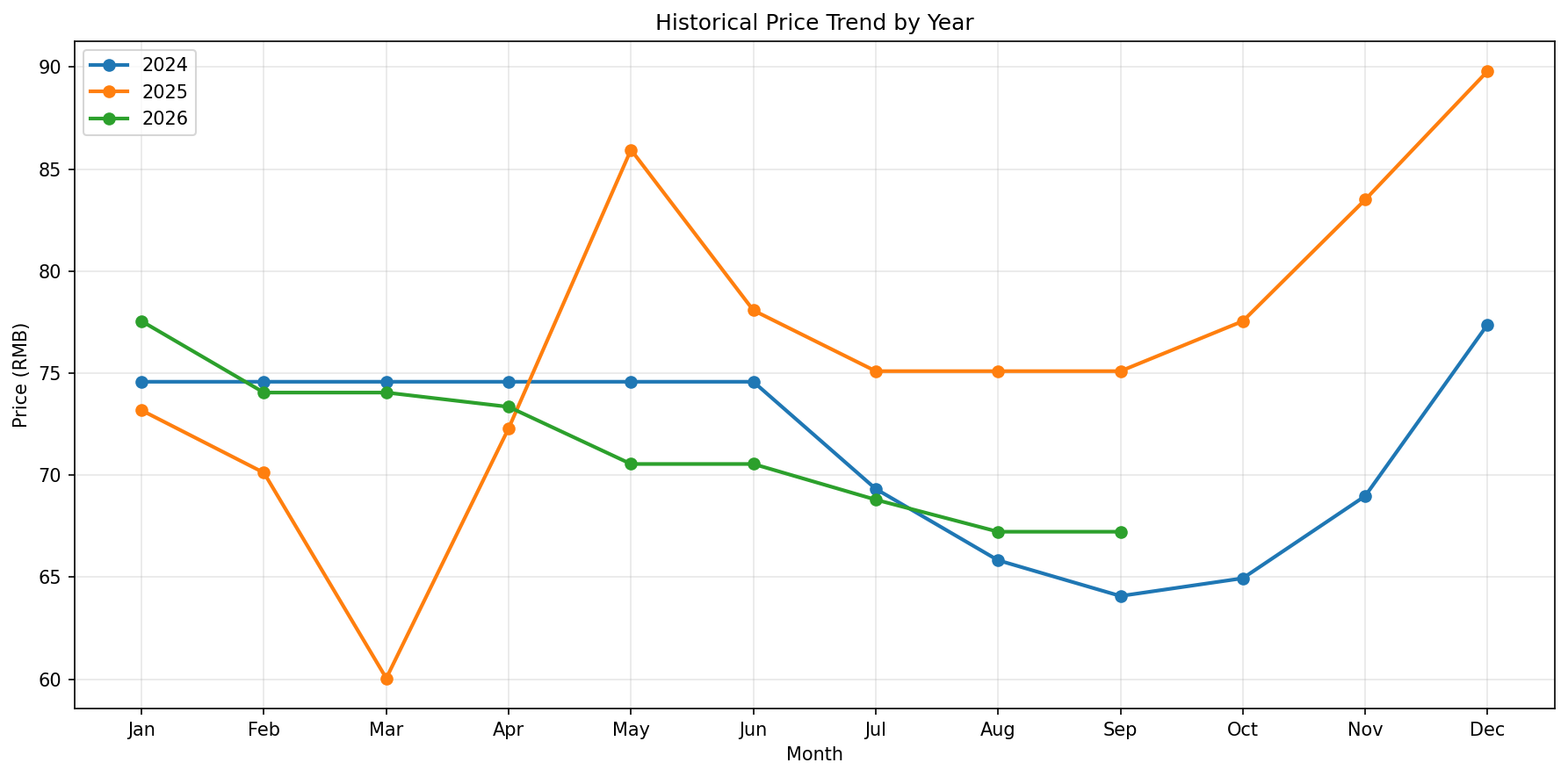
BuckyDrop’s 2024–2026 historical logistics data shows that rate adjustments were more frequent around Q4, with stronger upward pressure from roughly September through January than during spring and early summer.
Historical trends are useful for deciding when to review costs, but they are not a forecast. Actual rates still depend on current carrier pricing, route availability, billing rules, parcel data, and market conditions.
The chart below shows selected historical shipping fee changes from 2024 for a 0.5kg parcel via YunExpress clothing Registered Air Mail to the United States.
Why You Should Review Costs Before Orders Are Placed
Shipping is not just a fulfillment expense. For many cross-border businesses, it is part of the pricing model and a major input in margin planning.
A product priced when shipping costs are relatively low may become less profitable if rates rise later, especially when the store offers free shipping or charges customers a fixed shipping fee. By that point, you may already have committed to:
•the retail price;
•a free-shipping threshold;
•a promotional discount;
•a target profit per order; and
•a preferred fulfillment route.
If shipping costs change after those decisions are locked in, there may be fewer ways to protect profitability without changing the customer offer. Reviewing logistics costs before a major Q4 campaign gives you more room to adjust deliberately.
5 Ways to Prepare for Q4 Shipping Cost Changes
1. Review Shipping Costs for Your Key Products
Start with the products that generate the most orders or revenue. Check current shipping costs for the destinations that account for most of your sales, using realistic parcel weights and dimensions rather than product weight alone.
Pay particular attention to heavier, bulky, or multi-item orders. A modest change in the rate structure can create a more noticeable absolute cost difference for these parcels.
2. Recalculate Product Margins Under More Than One Scenario
A product that is profitable at today’s shipping rate may have much less room during peak season. Before launching a promotion, calculate the margin using the current rate and a higher-cost planning scenario.
This does not require predicting the exact increase. The goal is to understand how much cost movement your current price, discount, and shipping policy can absorb. If the margin becomes too thin, you can revisit the product price, discount depth, bundle structure, or route choice before the campaign begins.
3. Reassess Your Free-Shipping Threshold
Free shipping can support conversion, but it also transfers more logistics-cost risk to the seller. Review whether the current threshold still works when shipping represents a meaningful share of the order value.
Consider the interaction between average order value, parcel weight, destination mix, and promotional discounts. A threshold that works during a quieter period may need a closer look before Q4 traffic and order patterns change.
4. Compare Suitable Shipping Routes
The cheapest route is not automatically the best choice, and the fastest route is not necessary for every order. Compare available options using total shipping cost, estimated delivery time, parcel type, destination, tracking needs, and customer expectations.
When one route changes, another suitable option may help control costs without materially changing the delivery experience. The right choice depends on the order, so avoid treating one route as the permanent default for every parcel.
5. Confirm Rates Again Before Major Promotions
A quote reviewed several weeks ago may not be the rate available when a campaign goes live. Recheck shipping options before Black Friday, Christmas promotions, or other major sales events, then update your margin calculations if needed.
Make this review a launch checkpoint. Confirm the parcel assumptions, key destinations, available routes, and customer-facing shipping promise before the promotion is activated.
How BuckyDrop Can Support Q4 Logistics Planning
BuckyDrop monitors shipping-rate and billing-rule changes across available logistics routes. If a route you recently used is adjusted, BuckyDrop will notify you by email and internal message so you can review the change and update your plan when needed.
You can also use the BuckyDrop shipping calculator to review currently available options and estimated costs before setting product prices, planning promotions, or submitting parcels. For Shopify, WooCommerce, and independent-store sellers sourcing from Taobao or other Chinese marketplaces, this can help connect sourcing decisions with fulfillment economics earlier in the workflow.
Review current BuckyDrop shipping options and build a more resilient fulfillment plan before your Q4 campaigns go live.
Frequently Asked Questions
When should sellers start reviewing Q4 shipping costs?
Begin before campaign prices and discounts are finalized. Review again shortly before major promotions because route availability, rates, and billing rules may change.
Do all shipping routes become more expensive in Q4?
No. Changes vary by route, carrier, destination, parcel type, and market conditions. Historical seasonality can guide review timing, but current quotes should guide decisions.
How can heavier parcels affect peak-season margins?
When a rate structure changes, heavier or bulkier parcels may see a larger absolute cost difference. Sellers should calculate with realistic packed weight and dimensions.
Plan Before the Peak
Peak-season shipping costs cannot always be predicted precisely, but they can be planned for. By reviewing product margins, free-shipping thresholds, parcel data, route options, and promotion assumptions before Q4 demand peaks, sellers can reduce the impact of sudden logistics cost changes and make better-informed fulfillment decisions throughout the busiest period of the year.