Top Custom Apparel Dropshipping Suppliers for Drop Ship Clothing in 2026
Explore dropshipping custom apparel options, compare drop ship t shirt companies, and discover how to choose the best drop shipping companies for branding, fulfillment, and long-term growth.
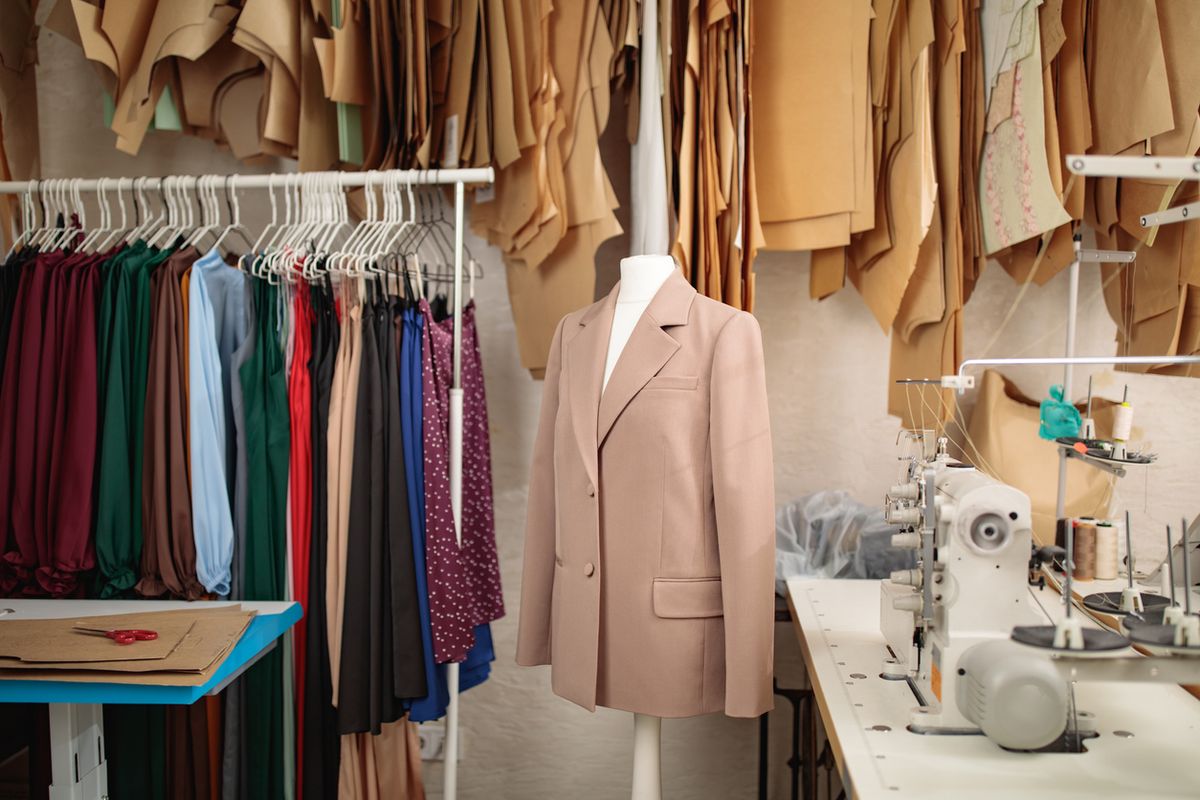
In 2026, custom apparel dropshipping is no longer about uploading a logo to a blank tee and hoping ads will do the rest. I’ve seen sellers spend thousands testing generic drop ship clothing, only to struggle with slow fulfillment and inconsistent quality. I’ve also seen smaller brands grow steadily after upgrading fabric quality, improving packaging, and tightening supplier control. The difference wasn’t design. It was operational discipline.
Customer expectations are higher now. Buyers expect reliable 5–10 day delivery, accurate sizing, durable prints, and packaging that feels intentional. If your dropshipping custom apparel model still relies on unstable production and long shipping cycles, repeat purchases decline quickly. Margins reflect that shift — generic models often net 15–25% after ads, while structured private label setups can reach 40–65% when sourcing is optimized.
In this guide, we compare the top custom clothing dropshipping suppliers in 2026, including Buckydrop, Printful, Printify, and CJdropshipping — based on branding flexibility, margins, and operational control.
Why Custom Apparel Dropshipping Is Winning in 2026?
Ad costs are higher in 2026. That’s just the reality. On TikTok, I’ve seen CPMs jump 20–30% compared to two years ago. If your product looks generic, you feel that pressure immediately.
Generic AliExpress hoodies don’t convert like before. Customers have seen them. They recognize the mockups. When five stores sell the same design, price becomes the only weapon. That race always ends badly.
This is where custom apparel dropshipping is pulling ahead.
Sellers who move into dropshipping custom apparel — with better blanks, custom neck labels, and branded packaging — see stronger numbers. One streetwear client switched from standard POD tees to 240 GSM heavyweight shirts with woven neck tags. Their return rate dropped from 9% to 4%. Repeat purchase increased by 18% in three months.
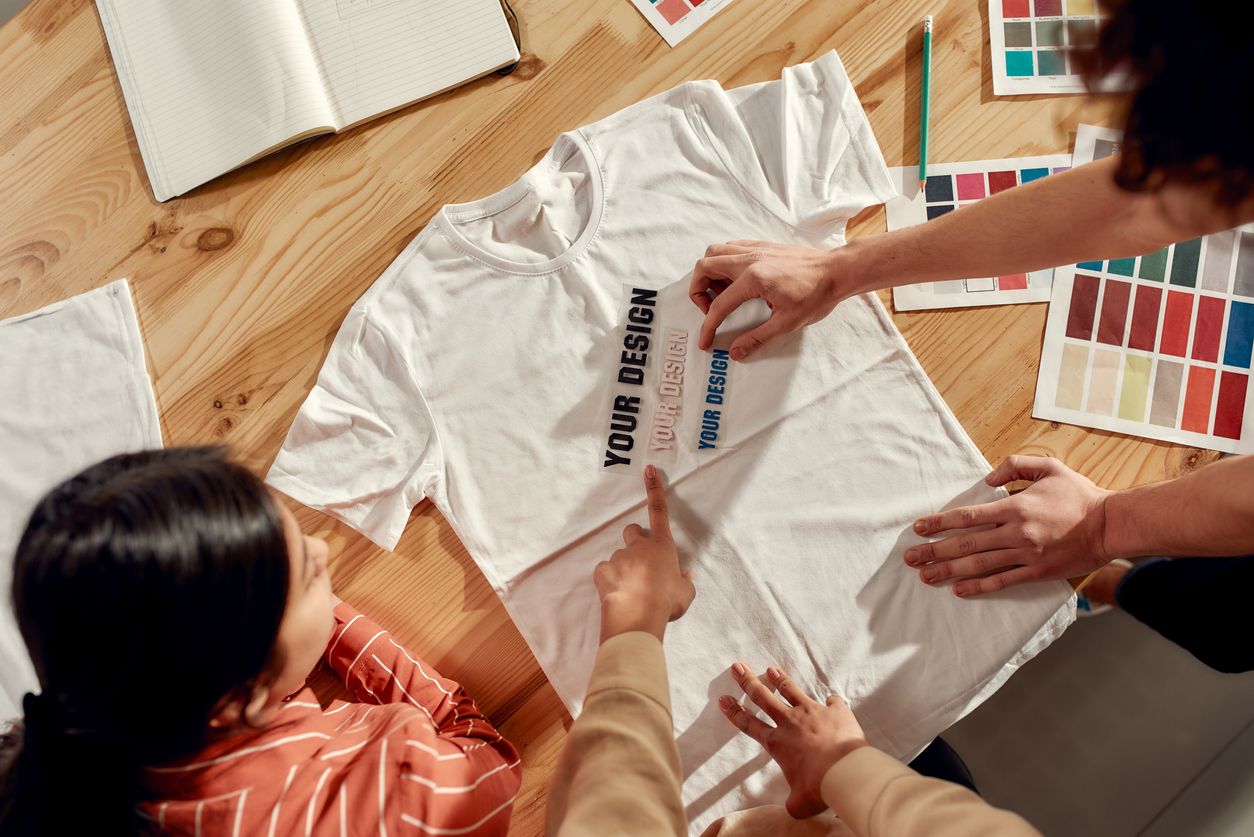
Margins tell the real story. Private label apparel typically lands in the 40–65% range when sourcing is optimized. Generic drop ship clothing often sits around 15–25% after ads. At 1,000 orders a month, that difference isn’t small. It’s the gap between surviving and scaling.
I’ve also noticed something simple: customers treat branded apparel differently. When the packaging feels intentional and the product feels exclusive, they don’t compare it to Amazon. They see it as a brand.
That’s why custom apparel dropshipping is winning in 2026. It gives sellers control — over quality, over pricing, and over customer perception. And in this market, control matters more than ever.
What Actually Matters When Choosing an Apparel Dropshipping Supplier?
Choosing the right apparel dropshipping supplier is where most clothing brands either stabilize or struggle.
From working with apparel sellers, the same frustrations appear repeatedly:
- Late shipping kills TikTok momentum. A product can gain attention quickly, but delayed fulfillment turns that interest into cancellations.
- Size inconsistency creates refund headaches. If a “medium” fits like a small, return rates climb fast.
- Poor print quality destroys brand trust. One cracked logo can cost more than a refund — it damages reputation.
These aren’t theoretical risks. They are daily operational problems.
Here’s what actually matters.
Fulfillment Speed (Because 20-Day Shipping Is Dead)
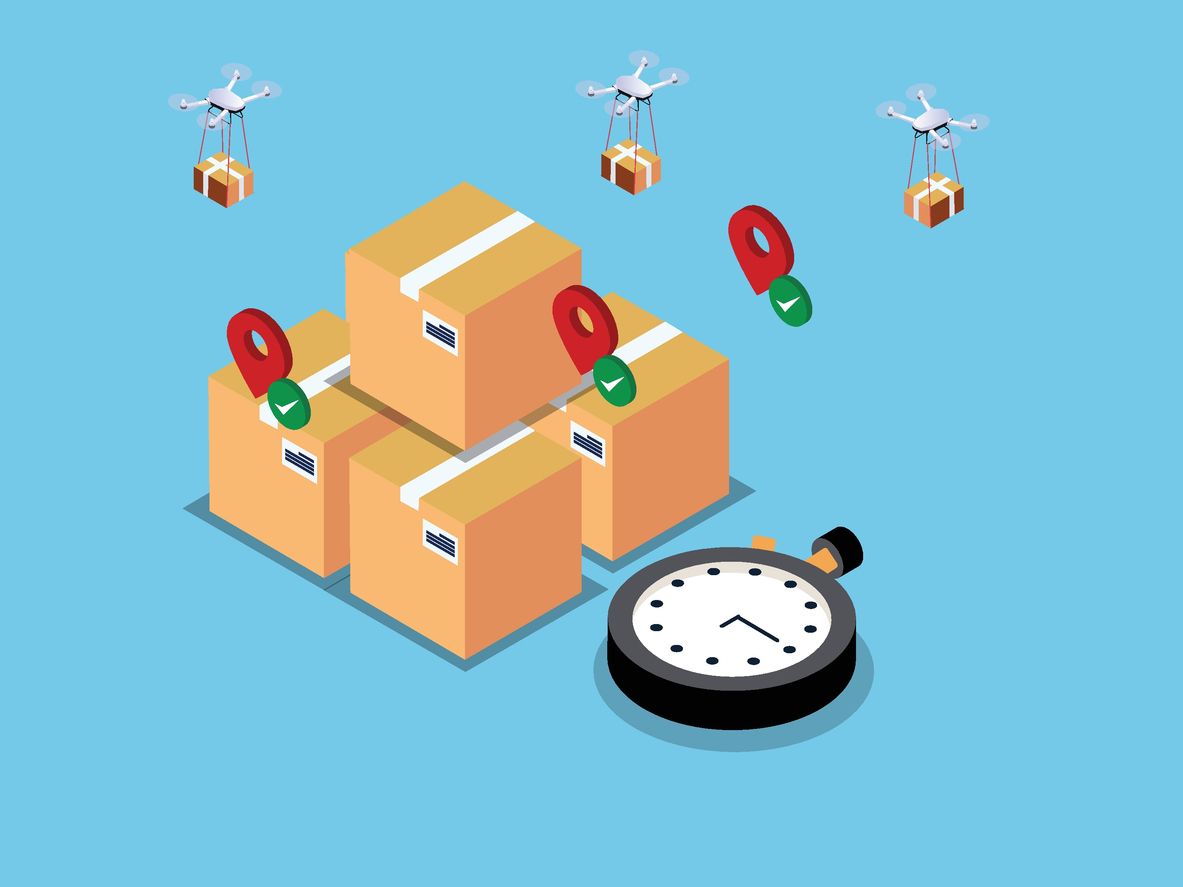
In 2026, 5–10 day delivery is becoming the standard expectation.
Customers compare delivery speed automatically. If shipping stretches beyond two weeks, refund requests increase and support volume rises.
Suppliers with US or EU warehouse options have a clear advantage. Regional fulfillment:
- Reduces transit time
- Improves tracking visibility
- Lowers customer complaints
Slow drop ship clothing suppliers don’t just delay parcels. They lose customers. When delivery feels unreliable, buyers hesitate to reorder.
If you are scaling paid traffic, slow logistics will eventually erode margins.
Branding Options That Increase Repeat Orders
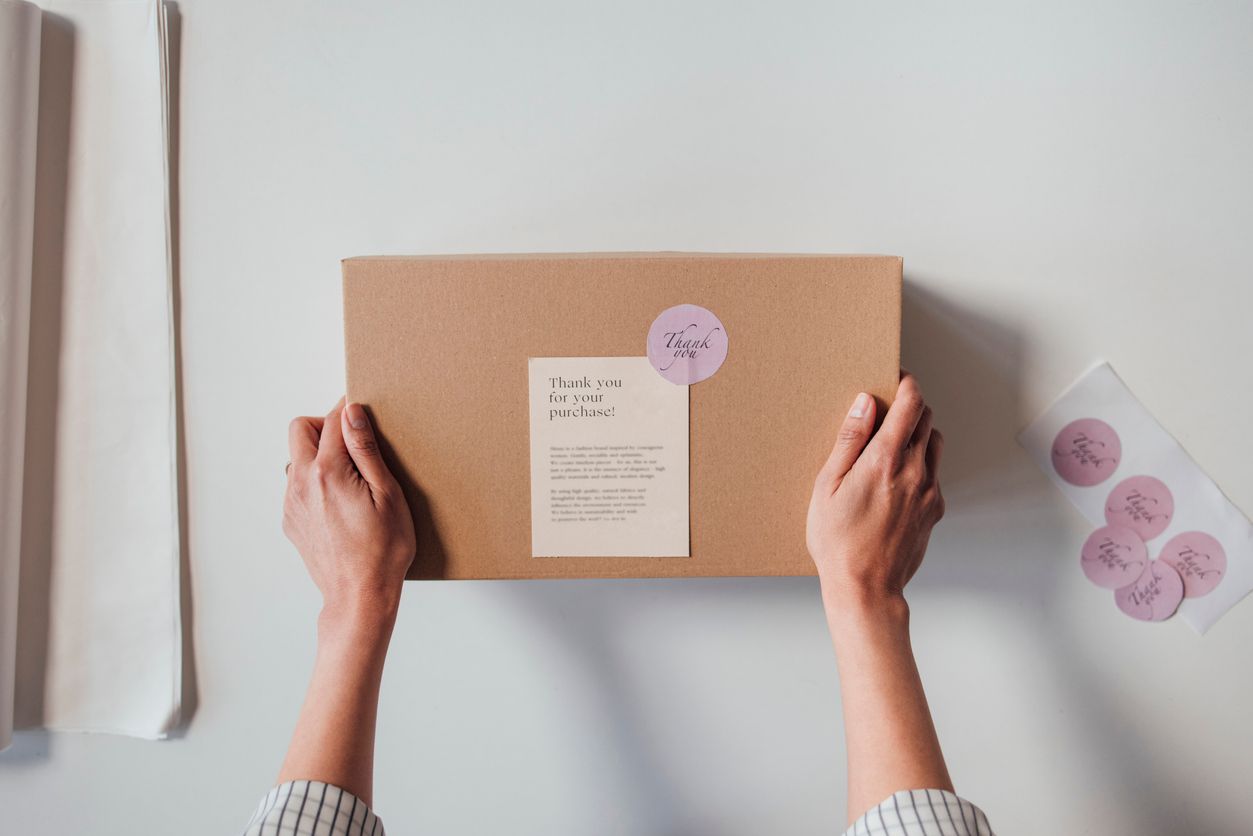
This is where dropshipping custom apparel creates differentiation.
Basic fulfillment is no longer enough. Brand presentation affects perceived value.
Effective branding elements include:
- Custom neck tags
- Branded packaging
- Thank-you inserts
A streetwear seller I worked with switched from generic poly mailers to branded black mailers with logo inserts. Within one quarter, repeat orders increased by 18%.
The product didn’t change. The experience did.
Branding increases LTV because customers remember the packaging, not just the print.
Suppliers that support brand customization enable long-term positioning rather than short-term selling.
Print Quality & Fabric Quality (The Silent Brand Killer)
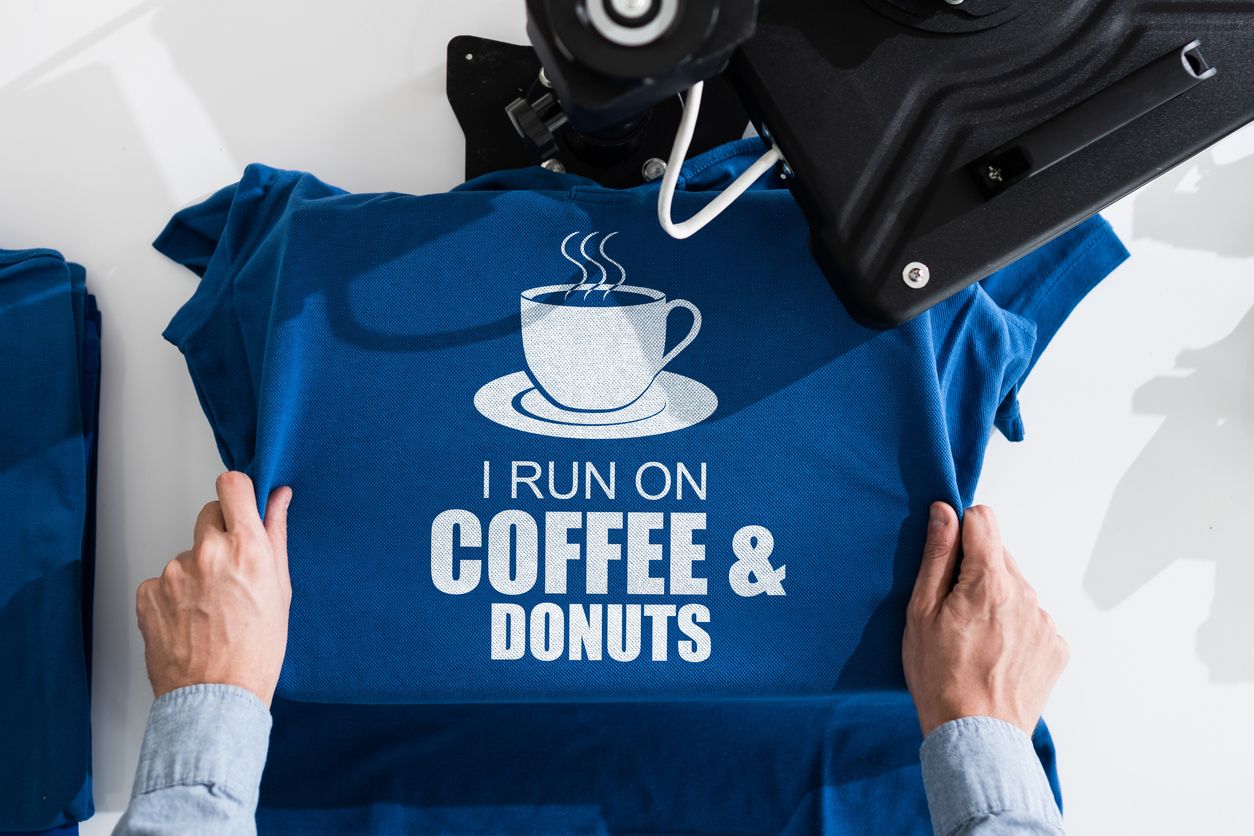
Not all drop ship t shirt companies maintain consistent production standards.
Print method matters:
- DTG works well for complex artwork.
- Screen printing typically offers stronger durability for bold graphics.
Lower-grade DTG prints may fade or crack after repeated washing.
Fabric weight also impacts perception:
- 160–180 GSM feels lightweight.
- 220–240 GSM feels more premium.
- 260+ GSM supports structured streetwear positioning.
Shrinkage is another common issue. Lower-quality blanks may reduce in size after washing, increasing exchange rates.
Always order samples. Wash them. Test durability before scaling.
In apparel, quality issues appear after delivery — not in the mockup.
Comparison of the Best Drop Ship Clothing Suppliers in 2026
When evaluating drop ship clothing suppliers, the key differences are not just product range — but sourcing flexibility, branding support, and operational control.
Below is a comparison based on publicly available platform information.
Supplier | Branding Support | MOQ | Automation | Shipping Model | Best For |
Buckydrop | 330+ custom services (labels, packaging, QC handling) | Supports single-item dropshipping; OEM varies | Shopify/WooCommerce order sync | Global fulfillment via warehouse network | Brand-focused sellers |
Printful | Basic branding add-ons | No MOQ | Strong integrations | Regional fulfillment centers | Beginners |
Printify | Limited branding (varies by partner) | No MOQ | Easy integrations | Partner-dependent | Testing niches |
CJdropshipping | Moderate customization | Low MOQ | Platform automation | Global shipping | General sellers |
1. Buckydrop — Flexible Custom Apparel Dropshipping for Growing Brands
Buckydrop positions itself as a one-stop sourcing and fulfillment partner rather than a fixed-catalog POD platform.
Based on its official workflow:
- Orders from Shopify and WooCommerce automatically sync to the dashboard
- Products are sourced directly from Chinese platforms such as 1688, Taobao, and Tmall
- Goods are received into Buckydrop warehouses
- Quality inspection is conducted
- Custom packaging and branding services are applied
- Orders are shipped internationally
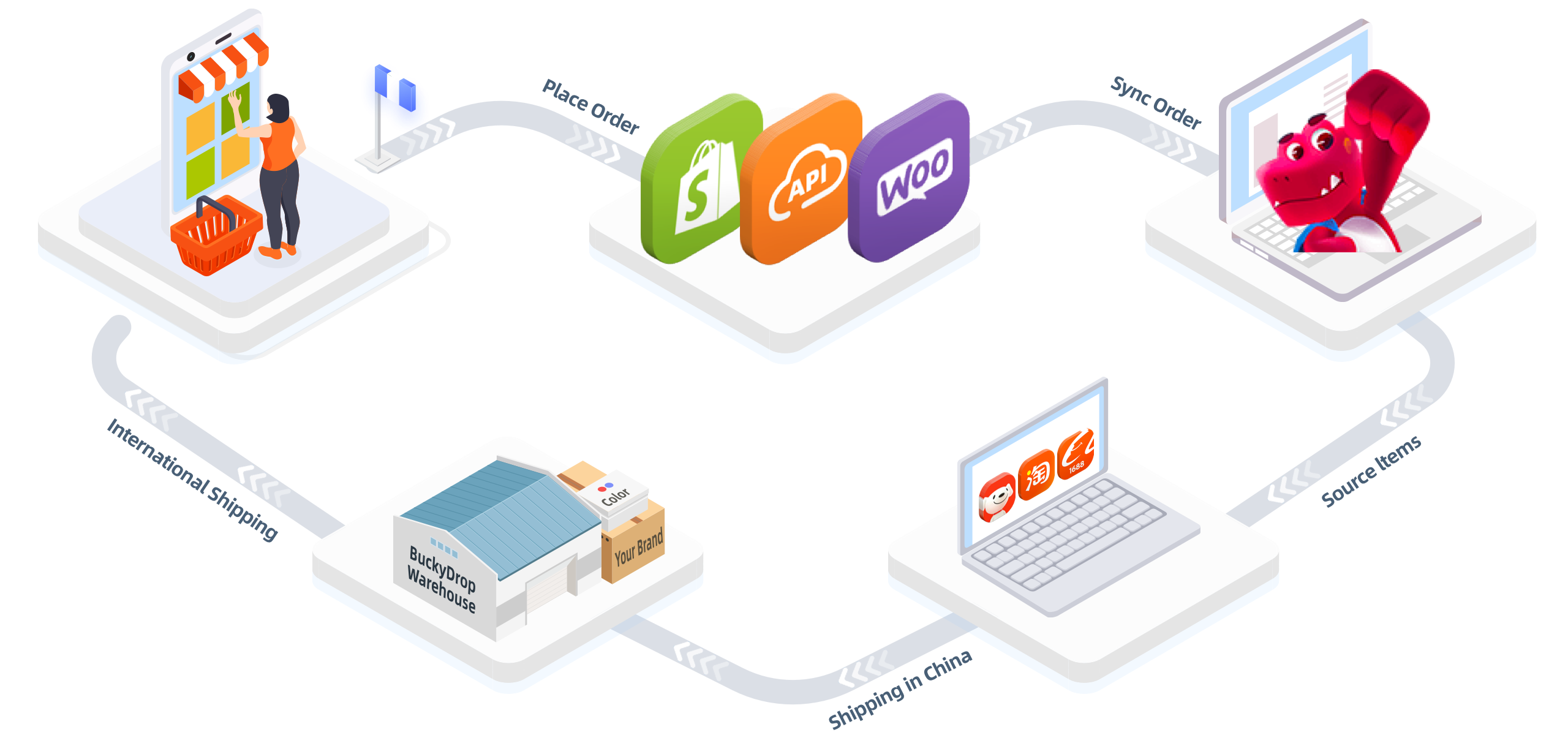
This structure makes custom apparel dropshipping more supply-chain driven rather than catalog-driven.
Branding support includes:
- Custom packaging
- Custom hang tags and labels
- Multiple packaging material options
- Brand-specific handling procedures
The site states that over 330+ customized services are available.
Additionally, Buckydrop provides:
- OEM / ODM support
- Quality control before shipment
- Dedicated account management
- Shopify integration for order automation
Unlike standard POD platforms, sourcing is not limited to a fixed product library. Sellers can request products from Chinese manufacturers directly.
This makes it more suitable for:
- Private label streetwear brands
- Niche apparel sellers
- Sellers seeking cost negotiation flexibility
It is more hands-on than fully automated POD tools, but it offers greater sourcing control.
2. Printful — Easy Start for Dropshipping Custom Apparel
Printful operates as a structured print-on-demand provider.
Strengths include:
- Stable product quality
- Regional fulfillment centers
- Clean store integrations
However:
- Base product costs are higher compared to sourcing directly from manufacturers
- Customization is limited to available catalog products
- No supplier negotiation flexibility
For sellers starting with dropshipping custom apparel, Printful reduces operational complexity.
For scaling brands, margin control may become tighter over time.
3. Printify — Budget-Friendly Drop Ship T Shirt Companies Option
Printify connects sellers to multiple third-party print providers.
Among drop ship t shirt companies, it offers pricing flexibility because sellers can choose between different print partners.
However:
- Product quality depends on the selected partner
- Branding capabilities vary
- Consistency requires monitoring
It works well for testing product ideas before committing to larger sourcing models.
4. CJdropshipping — General Apparel Dropshipping Platform
CJdropshipping provides a large product catalog across many categories.
For apparel dropshipping, it offers:
- Product sourcing
- Warehouse services
- Platform automation
However:
- Branding services are more limited compared to structured private-label systems
- Product positioning is broader rather than brand-focused
It is more suitable for sellers prioritizing variety and fast listing expansion.
Private Label vs POD: What Actually Makes More Money in 2026?
If you are building a brand through custom apparel dropshipping, the private label vs POD decision directly impacts margin structure. This isn’t theoretical. It’s basic math.
Let’s break down a standard t shirt example many sellers run into.
For POD under a typical dropshipping custom apparel model:
- Average blank + print cost: $12–16
- Shipping: $4–6
- Total landed cost: roughly $16–22
Retail price in most apparel niches: $29–39.
That leaves a gross margin of around $7–20 per unit before ad spend. After paid traffic, many sellers operating generic drop ship clothing models land closer to 15–25% net margin.
Now compare that to private label sourcing.
For bulk private label production:
- Unit production cost (depending on GSM and customization): $6–9
- Packaging + logistics (scaled): $3–5
- Total landed cost: roughly $9–14
At the same $29–39 retail price, gross margin improves significantly. Even conservatively, you’re looking at $15–25 per unit before ads.
Over 1,000 units, that difference becomes meaningful. A $6 margin gap equals $6,000. At scale, that’s operational leverage — more room for paid traffic, influencer seeding, or inventory reinvestment.
POD is operationally simple. It reduces upfront risk. But for sellers serious about long-term apparel dropshipping growth, private label often provides stronger margin flexibility once demand is validated.
The key isn’t which model is “better.” It’s when to transition. Most brands test with POD, then shift to private label once volume stabilizes. That shift is usually where profitability improves.
How Real Sellers Are Scaling Drop Ship Clothing Brands in 2026
Scaling a drop ship clothing brand in 2026 follows a clear progression. Sellers who grow sustainably don’t skip steps.
Step 1: Test With POD
Start with POD to validate demand. Keep costs flexible. Use TikTok momentum and early influencer seeding to test designs quickly. Focus on data — conversion rate, refund rate, and customer feedback.
Step 2: Move to Private Label
Once sales are consistent, shift to private label. This lowers unit cost and improves margin control. It also supports stronger micro-brand positioning instead of generic product selling.
Step 3: Upgrade Packaging
Introduce custom neck labels, branded mailers, or simple inserts. Better presentation increases perceived value and improves repeat purchase behavior.
Step 4: Improve Shipping Speed
Stabilize fulfillment. Faster and more predictable delivery reduces refund risk and strengthens customer trust as order volume grows.
Step 5: Increase AOV With Bundles
Bundle complementary products or limited drops to raise average order value. At this stage, influencer collaborations become more structured and brand-focused.
Growth comes from structured upgrades — not just more designs.
FAQs About Custom Apparel Dropshipping
Is custom apparel dropshipping still profitable in 2026?

Yes, but margins depend on positioning. Generic models are tighter, while branded custom apparel dropshipping with private label sourcing can still reach 40%+ gross margins if costs and fulfillment are controlled.
What are the best drop ship t-shirt companies for branding?
The best drop ship t shirt companies offer custom labels, packaging, and consistent print quality. Platforms that support private label or extended branding services are better suited for long-term brand building.
Can I start dropshipping custom apparel without inventory?
Yes. Many dropshipping custom apparel models begin with POD, which requires no upfront stock. Sellers often transition to bulk private label once demand is validated.
What’s the difference between apparel dropshipping and private label?
Apparel dropshipping usually means selling supplier-listed products without inventory. Private label involves customizing products under your own brand, offering higher control and typically better long-term margins.