Custom Packaging for Dropshipping: How to Build a Brand Without Holding Inventory

Introduction: Build a Brand Without Owning a Warehouse
A customer receives your package after purchasing from your Shopify store. They do not see your supplier conversations, sourcing process, warehouse workflow, or fulfillment partner.
They only see the final experience.
For many dropshipping sellers, this creates a major branding challenge:
How can you build a trustworthy ecommerce brand when you do not hold inventory or pack every order yourself?
The answer is not simply adding a logo to a shipping box.
A strong dropshipping brand is built through multiple customer touchpoints:
· Product quality
· Store experience
· Communication
· Shipping updates
· Packaging presentation
· Customer support
This is where custom packaging for dropshipping becomes valuable.
Custom packaging allows sellers to create a more consistent brand experience while maintaining the flexibility of a dropshipping business model.
However, packaging should not always be the first investment.
A new seller testing products may need to focus on product validation, supplier reliability, and customer feedback first.
A growing ecommerce brand may find that branded packaging helps improve customer perception and create a more memorable unboxing experience.
The right decision depends on your:
· Business stage
· Product margins
· Fulfillment workflow
· Customer expectations
· Long-term brand goals
What Is Custom Packaging for Dropshipping?
Custom packaging for dropshipping means adding branded packaging elements while products are still fulfilled through suppliers, fulfillment partners, or third-party logistics workflows.
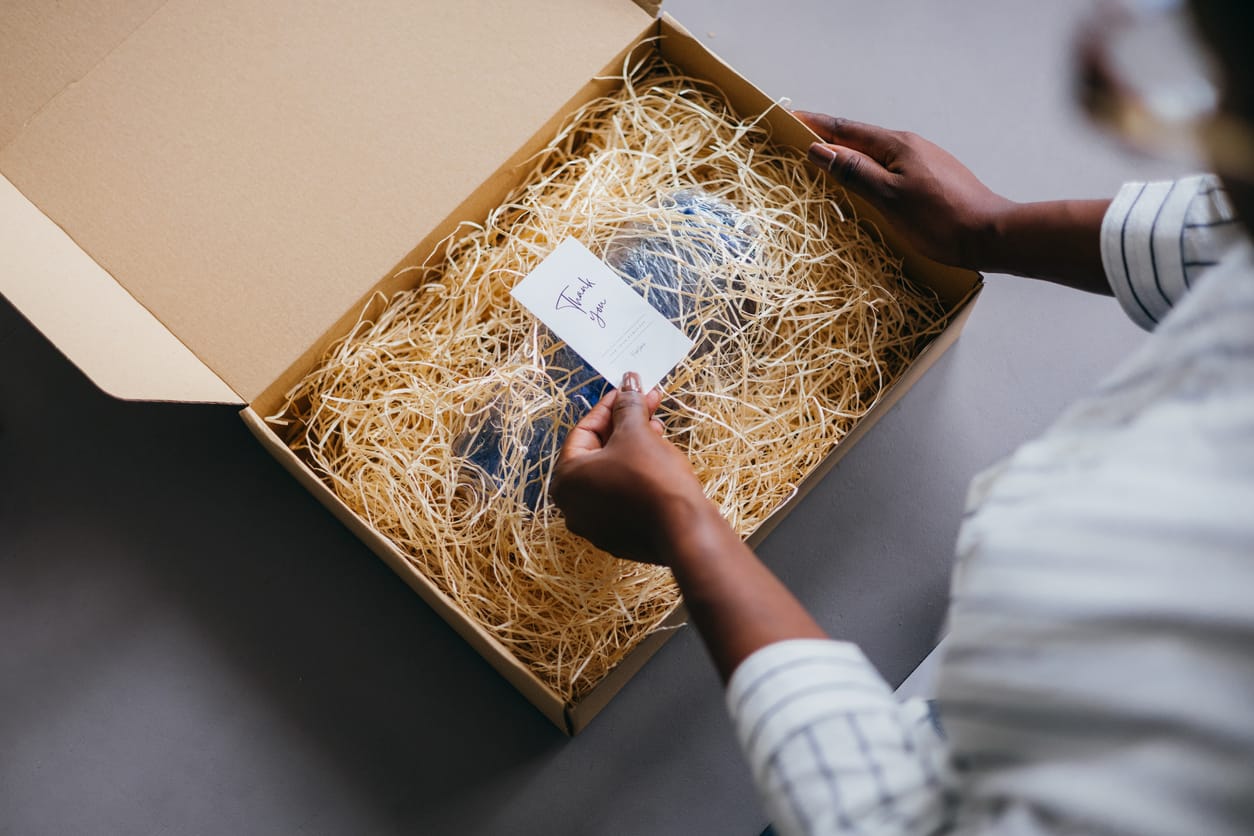
Instead of sending every order in generic packaging, sellers can introduce brand elements such as:
· Custom mailers
· Branded boxes
· Logo stickers
· Product inserts
· Thank-you cards
· Custom labels
· Branded wrapping materials
The goal is to make the customer experience feel connected to your store.
A typical workflow looks like this:
Customer places order
↓
Shopify or WooCommerce store receives order
↓
Supplier or fulfillment partner prepares product
↓
Quality checks are completed
↓
Custom packaging elements are added
↓
Customer receives branded delivery experience
For sellers exploring branded dropshipping, packaging is one part of building a stronger ecommerce identity.
However, sellers should understand the difference between packaging customization and product-level branding.
Custom Packaging vs Private Label vs White Label Dropshipping
Many sellers confuse these approaches.
They solve different problems.
Approach | Main Purpose |
Custom packaging | Improve product presentation and customer experience |
White label dropshipping | Sell existing products with your branding |
Private label dropshipping | Create deeper product customization and ownership |
Custom packaging focuses on how customers receive the product.
Private label focuses on the relationship between the product and your brand.
Sellers considering more advanced branding strategies can learn more about private label dropshipping before deciding how much customization they need.
Why Packaging Matters When You Do Not Hold Inventory
A common misconception is:
“Dropshipping sellers cannot build real brands because they do not control the product.”
That is not necessarily true.
Many successful ecommerce businesses outsource parts of their operations while focusing internally on:
· Customer acquisition
· Brand positioning
· Marketing
· Customer relationships
· Product strategy
Customers usually do not care who physically packed the order.
They care about:
· Did the product arrive as expected?
· Was tracking information clear?
· Did the package look professional?
· Would they trust buying again?
For North American sellers running Meta Ads, TikTok campaigns, or Google Shopping campaigns, the post-purchase experience matters.
A weak fulfillment experience can create:
· “Where is my order?” tickets
· Refund requests
· Negative reviews
· Customer hesitation
Custom packaging may help strengthen brand perception, but it cannot fix operational problems.
A branded package does not replace:
· Accurate inventory information
· Reliable suppliers
· Correct SKU matching
· Clear tracking
· Good customer support
Branding starts with operational consistency.
How to Build a Brand Without Holding Inventory
Building a branded dropshipping business usually requires three connected systems.
1. Product Sourcing
Everything starts with product selection.
Before investing in packaging, sellers should understand:
· Supplier reliability
· Product quality
· Available variants
· Packaging requirements
· Cost structure
A structured sourcing workflow helps sellers avoid choosing products only based on low supplier prices.
A lower product cost does not automatically create better margins if it leads to:
· Quality complaints
· Refund pressure
· Customer support workload
· Poor reviews
Sellers researching drop sourcing should evaluate supplier communication, product consistency, and fulfillment readiness.
2. Fulfillment Management
As order volume grows, fulfillment becomes more complex.
Common challenges include:
· Manual order processing
· Inventory changes
· Supplier communication
· Tracking updates
· Fulfillment exceptions
This is why many sellers evaluate dropshipping fulfillment services when building more organized operations.
A fulfillment workflow should help sellers manage:
· Order synchronization
· Product preparation
· Quality inspection
· Packaging requirements
· Shipping updates
Before scaling, sellers should verify:
· How orders are processed
· How tracking information returns to the store
· How supplier issues are handled
· How packaging requirements are managed
3. Customer Experience

Packaging is one moment in the entire customer journey.
A strong customer experience includes:
· Professional delivery presentation
· Accurate product expectations
· Clear communication
· Reliable support
For example:
A Shopify seller selling premium home products may not need custom packaging during the first product test.
But after identifying a winning product, branded inserts or packaging improvements may help create a stronger relationship with customers.
The key question is:
Will this packaging investment improve the customer experience enough to justify the additional operational cost?
Where Custom Packaging Fits Into a Dropshipping Workflow
Timing matters.
Many new sellers invest in branding too early.
A better approach is to match packaging decisions with business growth.
Stage 1: Product Testing
Goal:
Validate whether customers actually want the product.
Focus on:
· Product demand
· Supplier quality
· Shipping expectations
· Customer feedback
At this stage, expensive packaging may not be necessary.
Stage 2: Growing Ecommerce Store
Once sales become more consistent, sellers can consider:
· Branded inserts
· Custom labels
· Better packaging presentation
· Repeat purchase strategies
Packaging becomes part of improving customer experience.
Stage 3: Established Brand
For mature brands, packaging may become part of a broader strategy:
· Premium customer experience
· Stronger brand identity
· Product customization
· Customer retention
Sellers exploring white label dropshipping should understand that white labeling involves deeper branding decisions than packaging alone.
How BuckyDrop Supports Branded Dropshipping Workflows
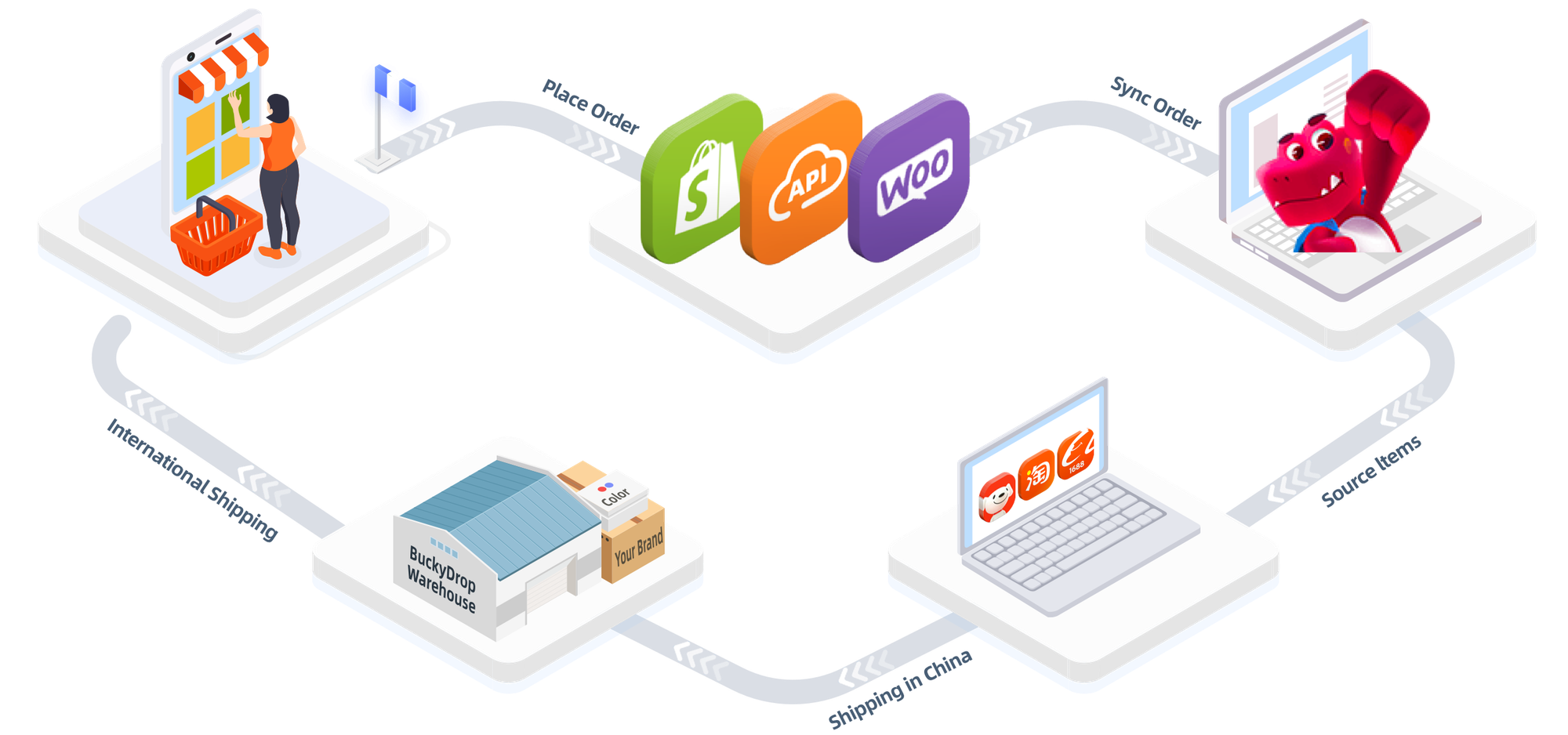
Custom packaging requires coordination between suppliers, fulfillment processes, and customer expectations.
According to BuckyDrop company materials, BuckyDrop supports ecommerce sellers with:
· Product sourcing
· Supplier coordination
· Quality inspection processes
· Fulfillment workflow support
· Logistics tracking support
· Branded packaging options
These processes are designed to connect:
Product sourcing
↓
Supplier management
↓
Quality checks
↓
Packaging preparation
↓
Order fulfillment
↓
Tracking updates
For sellers building a branded dropshipping workflow, this type of operational connection can help reduce manual coordination between different parts of the supply chain.
Specific features, integrations, and service availability should be verified with the provider before scaling.
Source: BuckyDrop company materials.
What to Verify Before Choosing a Fulfillment Partner
Before investing in custom packaging, evaluate the operational details.
Area | Questions to Verify |
Packaging | Can branded packaging requirements be supported? |
Supplier workflow | How are suppliers managed? |
Order handling | How are orders processed and updated? |
Quality control | Is product inspection available? |
Tracking | How are tracking updates returned? |
Support | How are fulfillment problems handled? |
The right partner depends on your current business stage.
A beginner may need flexibility.
A growing seller may need better automation.
A larger brand may need stronger process control.
Common Custom Packaging Mistakes Dropshippers Make
1. Investing Before Product Validation
Packaging cannot create demand for a product customers do not want.
Validate:
· Product-market fit
· Customer feedback
· Fulfillment performance
before increasing packaging costs.
2. Focusing Only on Appearance
A beautiful package does not compensate for:
· Late shipping
· Wrong products
· Poor communication
Operations come first.
3. Ignoring Cost Per Fulfilled Order
Packaging decisions should consider:
· Packaging cost
· Product margin
· Shipping cost
· Customer acquisition cost
· Refund pressure
4. Confusing Branding Levels
Custom packaging, white label, and private label strategies have different purposes.
Choose based on your actual business goals.
Who Should Use Custom Packaging for Dropshipping?
Custom packaging may fit:
Growing Shopify Sellers
Stores with consistent orders may benefit from improving brand recognition.
Niche Product Brands
Products with emotional appeal or repeat purchase potential may benefit from better presentation.
Long-Term Ecommerce Operators
Sellers building a durable brand may use packaging as part of customer experience strategy.
Who Should Wait Before Investing?
Custom packaging may not be the first priority for:
New Product Testers
Focus on validation first.
Low-Margin Stores
Additional costs require careful evaluation.
Sellers With Fulfillment Problems
Fix:
· supplier issues;
· tracking problems;
· customer support delays;
before upgrading packaging.
Final Recommendation
Custom packaging for dropshipping can help sellers create a stronger brand experience without holding inventory.
However, the packaging itself is not the strategy.
The strategy is building a reliable system:
1. Find reliable products.
2. Build supplier visibility.
3. Create a stable fulfillment workflow.
4. Improve packaging gradually.
5. Scale branding when customer experience justifies investment.
For sellers evaluating a branded dropshipping workflow, start with a practical test.
Connect your store, review your sourcing and fulfillment process, and measure:
· Manual work per order
· Fulfillment accuracy
· Tracking visibility
· Real cost per fulfilled order
Scale Your Business Today
Visit our website: BuckyDrop | All-in-One Auto Dropshipping Platform
Get started for free now: Register with BuckyDrop
Add BuckyDrop to Shopify: BuckyDrop Shopify App