Dropshipping Challenges for Small Sellers in 2026
Explore the top dropshipping challenges for small sellers in 2026. Learn how automated order fulfillment and systemized workflows solve logistics and scaling issues.

Table of contents
Introduction
The Reality of Dropshipping in 2026 — Growth Is No Longer the Hard Part
Introduction
Core Dropshipping Challenges for Small Sellers (2026 Breakdown)
What Actually Happens When Systems Are Missing?
Why Most Small Sellers Fail to Scale?
What Scalable Stores Do Differently?
What to Look for in the Best Platform for Dropshipping
Conclusion
FAQ — Dropshipping Challenges and Solutions (2026)
Introduction
Have you ever hit 30–50 orders a day—and instead of feeling excited, you start feeling overwhelmed?
We’ve seen this pattern repeatedly. Sellers come in thinking the hard part is getting sales. But once orders increase, the real challenge shows up: handling them without chaos.
By 2026, ecommerce is more competitive and faster-moving than ever, with global online retail projected to surpass $7 trillion (Statista). More demand sounds like good news—but it also exposes weak operations instantly.
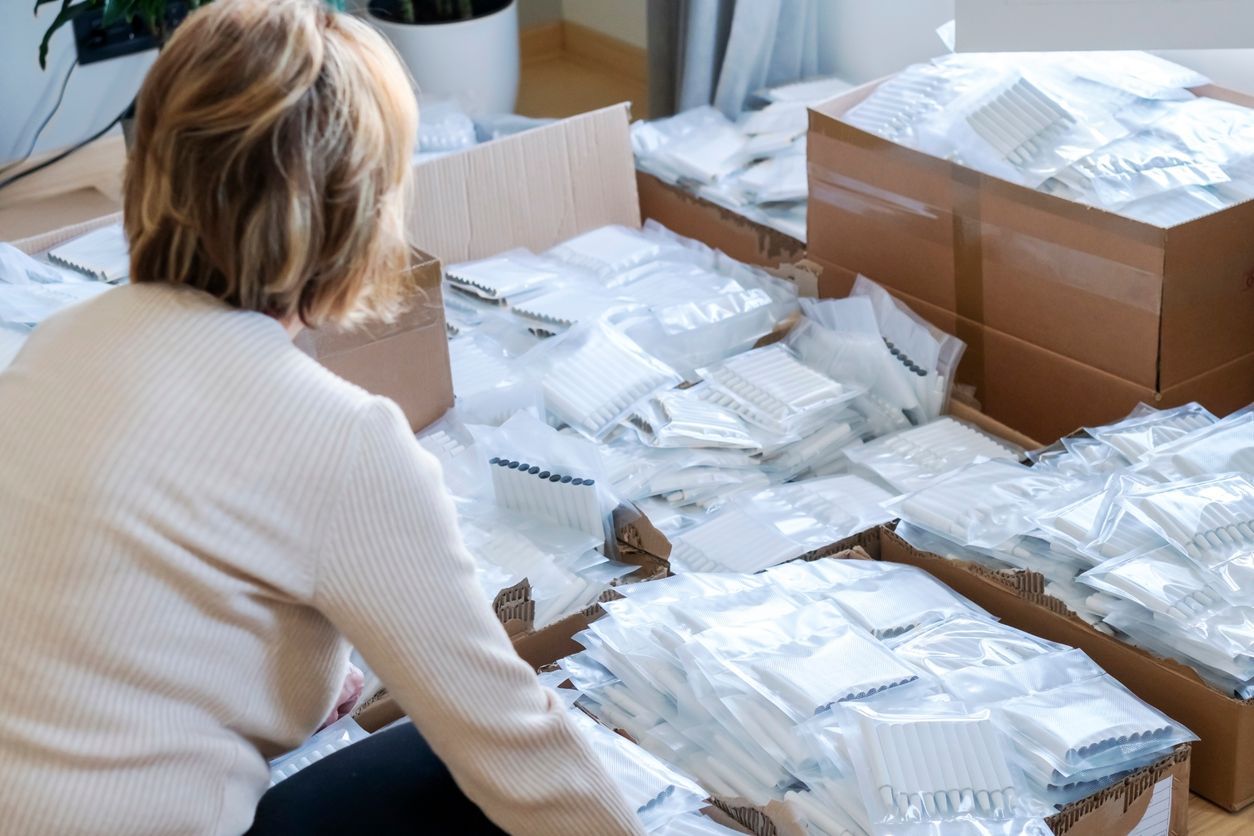
Here’s what typically happens:
● Orders pile up faster than you can process
● Suppliers reply late or inconsistently
● Shipping timelines become unpredictable
We’ve worked with sellers who were doing well on the front end—ads performing, products selling—but spending 4–5 hours a day just pushing orders manually. That’s not scaling. That’s survival.
At that point, tools like ecommerce order automation and automated order fulfillment aren’t upgrades—they’re necessities.
So the real issue isn’t traffic.
It’s this: Can your system handle growth without breaking?
The Reality of Dropshipping in 2026 — Growth Is No Longer the Hard Part
More Sellers, More Competition, Higher Operational Pressure
Have you noticed how easy it is now to launch a store?
With a typical Shopify dropship setup, you can go from idea to live store in a day. A modern Shopify dropshipping platform gives you templates, apps, and access to suppliers almost instantly. The barrier to entry has never been lower.
But that’s exactly the problem.
When everyone can start quickly, competition doesn’t just increase—it compresses margins and raises expectations. Customers expect faster shipping, better quality, and real-time updates. Meanwhile, sellers are juggling more orders, more suppliers, and more moving parts than ever before.
We’ve seen stores doing decent revenue—but barely holding things together behind the scenes.
Why “Getting Orders” Is No Longer the Problem?
Five years ago, traffic was the bottleneck. Now? Not really.
With better ad platforms and product discovery tools, getting orders is more predictable. The real pressure point has shifted.
Fulfillment is now the core constraint.
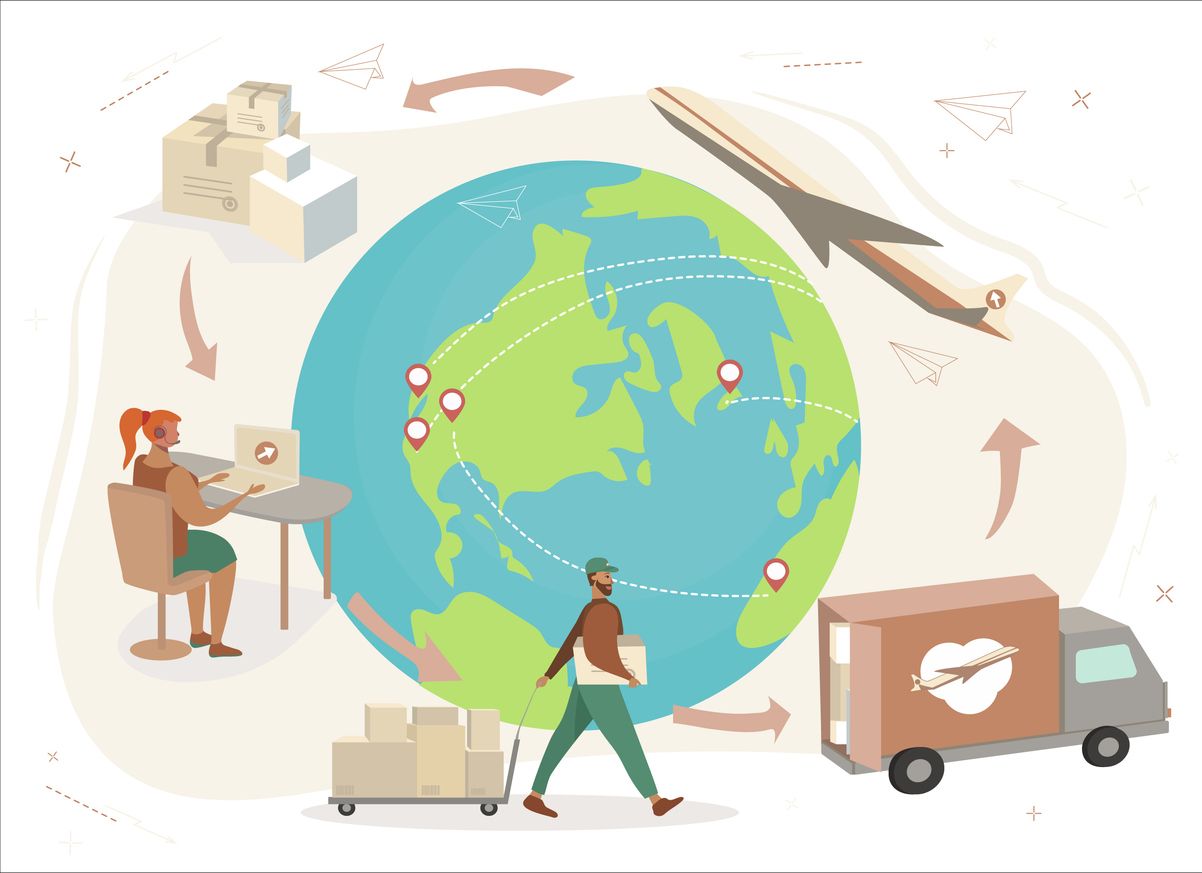
We’ve worked with sellers who scaled ads successfully—only to hit a wall within days:
● Orders not processed on time
● Suppliers out of sync
● Customers asking, “Where’s my package?”
At that point, the issue isn’t growth.
It’s whether your backend can keep up with it.This is exactly why more sellers are moving toward structured systems—not just tools, but integrated workflows. Platforms like Buckydrop are built around this shift, combining sourcing, automated order fulfillment, and supplier coordination into one process so operations don’t fall apart as order volume increases.
Core Dropshipping Challenges for Small Sellers (2026 Breakdown)
Here’s what actually breaks in real operations—not theory, but what we consistently see across stores.
Challenge | What Happens | Business Impact | Case Study (Real Scenario) |
Manual order processing | No automated order processing system; orders copied manually to suppliers | 3–5 hours/day wasted; delayed fulfillment | Case 1 — US Accessories Seller: ~60 orders/day, manual processing took 4 hours daily; ~15% orders delayed |
Supplier fragmentation | No centralized dropshipping order management; multiple suppliers with inconsistent replies | Stock mismatches; order confusion | Case 2 — EU Fashion Store: 5 suppliers, 20%+ orders required follow-up due to lack of coordination |
No QC system | Weak china fulfillment control; products shipped without inspection | High return rate; negative reviews | Case 3 — US Home Goods Seller: Return rate reached ~12% due to undetected defects |
Logistics instability | Inconsistent dropshipping from China shipping times | Customer complaints; refund pressure | Case 4 — UAE Store: Delivery ranged 7–25 days; support tickets increased by 30% |
Scaling failure | No order fulfillment automation; system can’t handle volume spikes | Operational collapse; delayed orders | Case 5 — Viral Product Store: Orders jumped to 150/day; 40% delayed within 3 days |
Error-prone workflows | No automated order management; manual data entry errors | Refunds, reshipments, profit loss | Case 6 — US Beauty Store: Error rate ~8%; margins dropped significantly |
Tool fragmentation | No all-in-one auto system; multiple disconnected tools | Inefficiency; data mismatch | Case 7 — Multi-store Seller: Used 4 tools; frequent syncing errors required manual fixes |
If you look closely, all these problems point to the same root issue:
Not lack of demand.
Not lack of products. But a lack of systems built for scale—the exact gap modern dropshipping fulfillment services are designed to solve.
What Actually Happens When Systems Are Missing?
Case 1 — Manual Workflow Breakdown

Let’s start with the most common one.
A US-based Shopify seller was doing around 50–70 orders per day. On paper, that’s a good problem to have. But behind the scenes? It was chaos.
Every order had to be copied and sent manually to suppliers. No automated order processing system, no sync, no structure.
● Time spent: ~4 hours/day just placing orders
● Delay rate: ~15%
● Missed or duplicated orders: frequent
Here’s the reality: without automated order fulfillment, growth doesn’t scale—it slows you down.
Once they moved to a system that automated order syncing, processing time dropped to under 30 minutes. Same orders. Completely different operation.
Case 2 — Multi-Supplier Chaos
Now imagine working with 4–5 suppliers at once.
Different response times. Different stock updates. Different shipping methods.
One EU fashion seller we worked with had exactly this setup. No centralized dropshipping order management, just multiple chat windows and spreadsheets.
● 20%+ orders required manual follow-up
● Frequent stock mismatches
● Orders split across suppliers with no coordination
This is typical in dropshipping China setups when there’s no system holding everything together.
Once supplier coordination was centralized, the difference was immediate: fewer errors, faster processing, and far less back-and-forth.
Case 3 — Quality Control Failure
Here’s a question: how do you know what your customer is actually receiving?
In many chinese dropshipping setups, you don’t.
A US home goods seller was seeing a return rate close to 12%. The issue wasn’t the product itself—it was inconsistency. Some items were fine. Others had defects.
Why? No inspection. Weak china fulfillment control.
● Customer complaints increased
● Refund costs ate into margins
● Ad performance dropped due to poor reviews
After adding a basic QC layer before shipping, return rates dropped significantly. Same suppliers—just better control.
Case 4 — Scaling Collapse After Viral Product
This is where things break fast.
A product goes viral. Orders jump from 20/day to 150/day in less than a week. Sounds like success, right?
But without order fulfillment automation, it becomes a bottleneck overnight.
● 40% of orders delayed within 3 days
● Customer support overwhelmed
● Refund requests increased
This is where many sellers realize: auto dropshipping isn’t about convenience—it’s about survival at scale.
With proper order fulfillment automation, spikes like this become manageable instead of destructive.
Why Most Small Sellers Fail to Scale?
The “Manual Trap”
Most systems sellers start with are built for simplicity, not scale.
They work fine at:
● 5 orders/day
● maybe even 15
But push that to 50 or 100?
Everything slows down.
Manual processes don’t grow linearly—they break exponentially. What took 30 minutes now takes 4 hours. What was manageable becomes exhausting.
Lack of Infrastructure, Not Effort
Here’s something we see all the time:
Sellers working harder… but getting worse results.
They:
● stay up late processing orders
● chase suppliers for updates
● manually fix errors
And still fall behind.
This isn’t a marketing issue. It’s not about ads or products.
It’s infrastructure.
Without systems, effort doesn’t scale—it compounds inefficiency.
Fragmentation vs Systemization
At the core, it comes down to one decision:
Are you running a collection of tools—or a system?
Fragmented setup:
● separate suppliers
● separate tools
● separate workflows
Result: constant friction.
Systemized setup:
● centralized supplier coordination
● unified processing
● structured fulfillment dropshipping workflow
This is where dropship fulfillment services come in—not as an add-on, but as the foundation.
Instead of managing chaos, you’re operating a system designed to handle growth.
And that’s the difference between stores that stall… and stores that scale.
What Scalable Stores Do Differently?
From Manual Workflows → Automated Systems
Have you ever felt like your entire day is just… processing orders?
That’s usually the turning point.
Scalable stores don’t rely on people to move orders—they rely on systems. With ecommerce order automation and automated order management, orders flow automatically from store to supplier, tracking updates sync in real time, and errors drop without constant checking.
One seller told us: “I used to spend my mornings just sending orders. Now I don’t even think about it.”
That’s the shift. Less effort, more control.
From Multiple Suppliers → Centralized Network
Working with multiple suppliers is normal—especially when you dropship from China. The problem is managing them without structure.
We’ve seen sellers juggling:
● 4 suppliers
● 4 chat windows
● 4 different shipping timelines
It works… until it doesn’t.
Scalable stores simplify this by centralizing supplier coordination. Whether you’re doing dropshipping from China or expanding product lines, everything runs through one system:
● unified communication
● consistent stock visibility
● smoother order routing
It’s like switching from managing multiple tabs to working from one dashboard.
From Reactive Fixes → Structured Fulfillment
Here’s a simple question: are you fixing problems—or preventing them?
Most small sellers react:
● a customer complains → then you check shipping
● an item is defective → then you contact the supplier
Scalable stores build systems that reduce these issues upfront through structured workflows and dropshipping fulfillment services.
Platforms like Buckydrop are designed around this idea—bringing sourcing, processing, QC, and shipping into one controlled flow so problems don’t reach the customer in the first place.
What to Look for in the Best Platform for Dropshipping?
Key Features That Matter in 2026
Not all tools are equal. If you’re serious about scaling, here’s what actually matters:
1. Automated Order Fulfillment
Orders should move automatically. If you’re still copying details manually, it’s only a matter of time before errors creep in.
2. Supplier Integration
A real system connects directly with suppliers. No more chasing replies or confirming orders one by one.
3. QC System (Quality Control)
Without inspection, you’re guessing what your customer receives. A proper QC layer catches issues before they turn into refunds.
4. Logistics Stability
Fast is good—but consistent is better. Stable delivery times reduce support tickets and build trust.
Why All-in-One Systems Outperform Fragmented Tools
Let’s be honest—most sellers start with a patchwork setup:
● one tool for orders
● another for sourcing
● another for tracking
It works early on. But as volume grows, things start slipping.
Disconnected tools create:
● data mismatches
● manual corrections
● unnecessary stress
That’s why more sellers are moving toward best dropshipping software solutions that combine everything into one place.
Instead of managing tools, you’re managing outcomes.
All-in-one dropshipping services, like Buckydrop, bring sourcing, automation, and fulfillment together—so your operation runs like a system, not a collection of tasks.
Conclusion
Here’s the bottom line:
Getting orders is growth.Handling them efficiently is scaling.And those two are not the same.We’ve seen stores generate demand quickly—but without the right backend, everything starts to break:
● delays increase
● errors pile up
● customer experience drops
That’s why automated order fulfillment is no longer optional. It’s the foundation. Combined with structured dropshipping fulfillment services, it turns unpredictable operations into something stable and repeatable.In 2026, the winners won’t be the ones with the “best product.”They’ll be the ones with systems that can handle volume—consistently.
If you’re ready to move beyond manual workflows and build a system that actually scales, Buckydrop combines sourcing, automation, and fulfillment into one streamlined solution—so your business grows without breaking.
FAQ — Dropshipping Challenges and Solutions (2026)
1. What are the biggest dropshipping challenges in 2026?
Order processing, supplier coordination, logistics stability, and lack of automation are the main bottlenecks.
2. How does automated order fulfillment improve efficiency?
It removes manual work, reduces errors, and speeds up order processing by syncing orders directly to suppliers.
3. Is dropshipping from China still reliable?
Yes—but only with proper supplier management and stable china fulfillment systems in place.
4. What is the best platform for dropshipping today?
The best platform combines sourcing, automation, and fulfillment—not just product listings or plugins.
5. How do I manage multiple suppliers effectively?
Use a centralized system for dropshipping order management instead of handling each supplier separately.
6. What is ecommerce order automation?
It’s a system that automatically transfers, processes, and tracks orders without manual input.
7. How can I reduce dropshipping errors?
Implement automated order management, standardized workflows, and a QC inspection process.
8. When should I switch to dropshipping fulfillment services?
Once you reach 30–50 daily orders or start experiencing delays and errors.
9. What causes shipping delays in dropshipping?
Uncoordinated suppliers, inconsistent logistics, and lack of systemized fulfillment.
10. What is the role of china fulfillment in scaling?
It ensures consistent processing, quality control, and shipping—making large-scale operations stable.