Dropshipping From China in 2026: How Sellers Can Adapt to Tariffs, AI Shopping, and Stricter Platform Rules

Dropshipping From China in 2026: What Sellers Need to Change Now
Dropshipping from China is not dead in 2026. But the easiest version of it is becoming less reliable.
For years, many sellers built stores around low-cost products, direct shipping, simple product pages, and paid ads. That model worked best when cross-border small parcels were cheap, customs friction was low, and platforms were less strict about product quality.
That environment is changing.
The US has suspended duty-free de minimis treatment for many low-value imports. The EU started applying a temporary €3 customs duty per item on low-value consignments up to €150 from July 1, 2026. The European Commission also fined AliExpress €550 million under the Digital Services Act over risks linked to illegal, unsafe, and counterfeit products.
For Shopify sellers, TikTok Shop sellers, and independent ecommerce operators, the message is clear: sourcing and fulfillment are no longer just backend tasks. They directly affect margin, compliance, conversion, and customer trust.
Why the old low-cost dropshipping model is under pressure

The traditional beginner model looked simple:
Find a trending product, import it to a Shopify store, run ads, and ship each order directly from a supplier.
That still can work for testing. But it is harder to scale when:
● Duties and customs fees reduce margin
● Delivery expectations are higher
● Platforms are stricter about unsafe or counterfeit products
● Refunds and chargebacks hurt ad performance
● AI shopping systems need structured product data
● Customers compare more options before buying
The biggest risk is not China sourcing itself. The risk is unstructured sourcing: weak supplier checks, unclear product details, no quality control, poor tracking, and no plan for customs or returns.
What changed in the US and EU
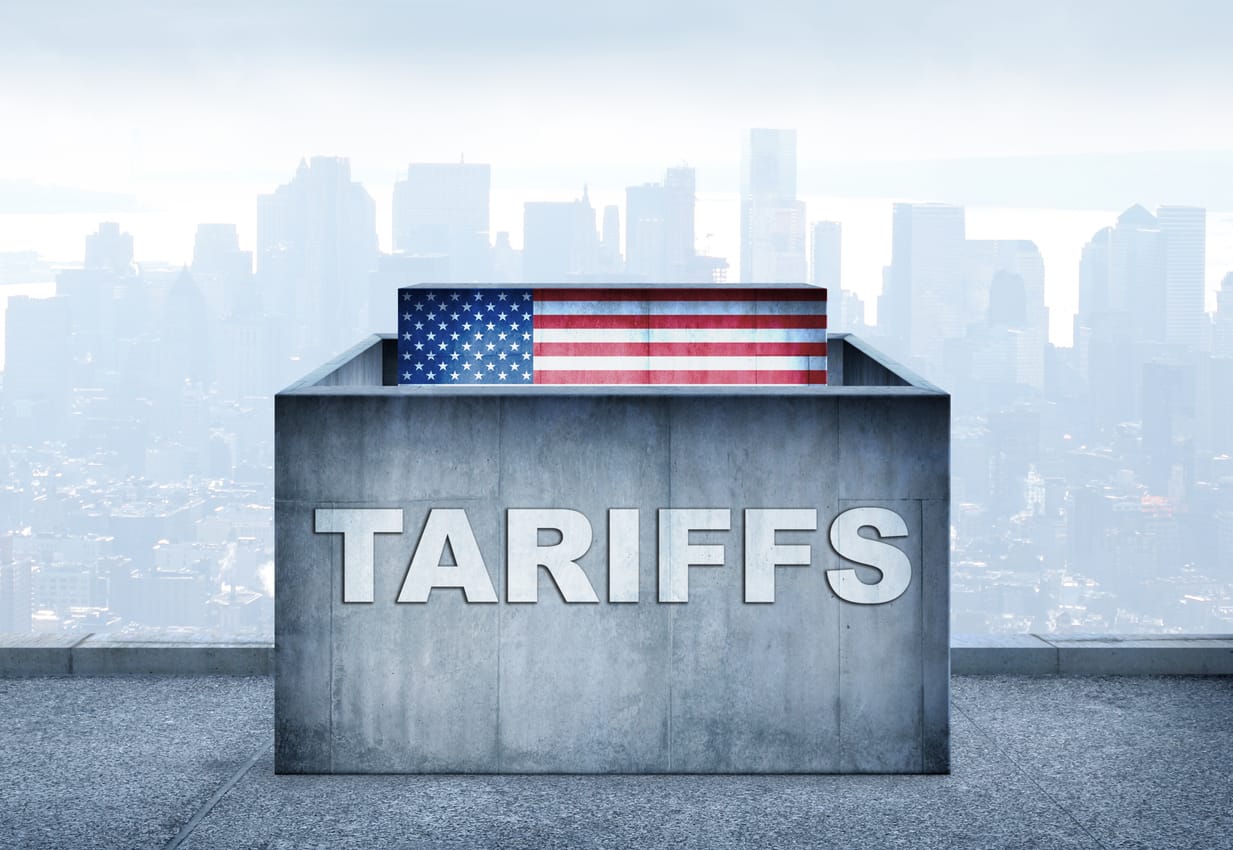
In the US, CBP confirms that the suspension of duty-free de minimis treatment applies to merchandise valued at $800 or less across transport modes, unless an exception applies.
In the EU, the 150 euro customs duty exemption has been removed for low-value parcels, and a temporary €3 customs duty per item now applies until July 1, 2028.
This matters most for low-ticket products. A €3 duty is small on a €70 product, but painful on a €9 accessory. Sellers need to rebuild their product math around contribution margin, not only product cost.
Why product safety and supplier control matter more
The AliExpress fine is a warning sign for the whole cross-border ecommerce ecosystem.
European regulators are paying closer attention to illegal, unsafe, and counterfeit products. That matters for sellers using marketplace-style product sourcing, especially in categories such as toys, cosmetics, electronics, apparel, accessories, kitchen products, and children’s items.
Sellers should ask:
● Is the product branded or brand-adjacent?
● Are there safety, battery, chemical, textile, or labeling risks?
● Can the supplier provide accurate product details?
● Can the seller verify stock, variants, packaging, and shipping?
● Is there a realistic process for returns and after-sales support?
Cheap products are easy to find. Reliable products are harder to operate.
AI shopping is changing how products get discovered
Another major shift is happening in discovery.
Google Merchant Center is adding AI performance insights so merchants can understand how products are discovered across AI Mode, AI Overviews, and Gemini. Shopify is also building around agentic commerce, Catalog API, and AI shopping surfaces.
This means sellers should optimize more than a storefront page. AI shopping systems need clean product data.
Important fields include:
● Product title
● Description
● Variant names
● Materials
● Size and color data
● Use cases
● Product images
● Availability
● Price
● Shipping and return information
If your product data is vague, AI systems may not understand when to recommend it.
A practical checklist for Shopify sellers
Before scaling a China-sourced product in 2026, review:
Area |
Seller question |
Margin |
Does the product still work after duties, shipping, returns, payment fees, and ad cost? |
Compliance |
Is the product risky under US, EU, or marketplace rules? |
Supplier |
Can the supplier confirm stock, variants, packaging, and product details? |
Fulfillment |
Can orders be processed with reliable tracking and realistic delivery expectations? |
Data |
Are titles, attributes, images, and descriptions ready for AI shopping feeds? |
Scaling path |
If the product works, can you move from test orders to more controlled sourcing? |
How BuckyDrop can support China sourcing and fulfillment
If you still want access to China’s product ecosystem, the better question is not “Should I dropship from China?” It is “How do I make China sourcing more controlled?”
BuckyDrop is built for sellers who want help with China sourcing and dropshipping operations. According to BuckyDrop’s official site, the platform supports sourcing and fulfillment from major Chinese ecommerce platforms such as Taobao, 1688, Tmall, JD, Xianyu, Poizon, Weidian, and more.
For Shopify and cross-border ecommerce sellers, BuckyDrop can be explored as a practical backend for product sourcing, purchasing, warehousing, quality checks, shipping coordination, and order-processing support.
Scale Your Business Today
Scale Your Business TodayDropshipping from China in 2026 is not about chasing the cheapest supplier. It is about building a sourcing and fulfillment process that can survive stricter customs rules, platform enforcement, AI shopping, and higher customer expectations.
The sellers who adapt will not only look for winning products. They will build better product data, stronger supplier workflows, clearer margins, and more reliable fulfillment.
Ready to make China sourcing more organized? Explore BuckyDrop for product sourcing, fulfillment coordination, and Shopify dropshipping operations:
Visit our website: BuckyDrop | All-in-One Auto Dropshipping Platform
Get started for free now: Register with BuckyDrop
Add BuckyDrop to Shopify: BuckyDrop Shopify App