Private Label vs White Label Dropshipping: Which Branding Model Is Better for Your Store
Private Label vs White Label Dropshipping: Quick Verdict
Use white label when demand is still uncertain and flexibility matters more than product exclusivity. Consider private label when a SKU has repeatable sales, customers have identified a product improvement worth making, and the store can absorb samples, packaging commitments, and production delays.
For many small Shopify and WooCommerce stores, the more defensible path is phased:
1. Validate the base product.
2. Test a branded insert or package.
3. Review delivered-order performance.
4. Move into product-level customization only when the economics and fulfillment workflow hold up.
This is not a contest in which private label automatically wins. White label is often the better operating model for new, seasonal, or trend-sensitive products. Private label becomes useful when customization creates a reason for customers to choose your product instead of an identical listing.
Shopify's private label dropshipping guide similarly distinguishes white label products as generic products sold under a merchant's branding, while private label products are made or modified for a particular brand.
What Is White Label Dropshipping?

In white label dropshipping, a supplier provides an existing product that a merchant sells under its own brand. Customization may be limited to a logo, product label, packing slip, insert, or branded package.
Other merchants may be able to sell the same base item. The seller's advantage therefore comes from the audience, product education, offer, bundle, creative strategy, and customer experience - not necessarily an exclusive product specification.
White label often involves fewer development and approval steps. That can make it useful when a store is:
• Testing several products or audiences
• Working with limited upfront cash
• Responding to seasonal demand
• Unable to forecast demand by size or color
• Still collecting product feedback
• Prioritizing launch speed over exclusivity
The tradeoff is weaker product-level differentiation. A custom mailer will not protect a store if the item, photos, specifications, and customer experience are indistinguishable from competing offers.
What Is Private Label Dropshipping?
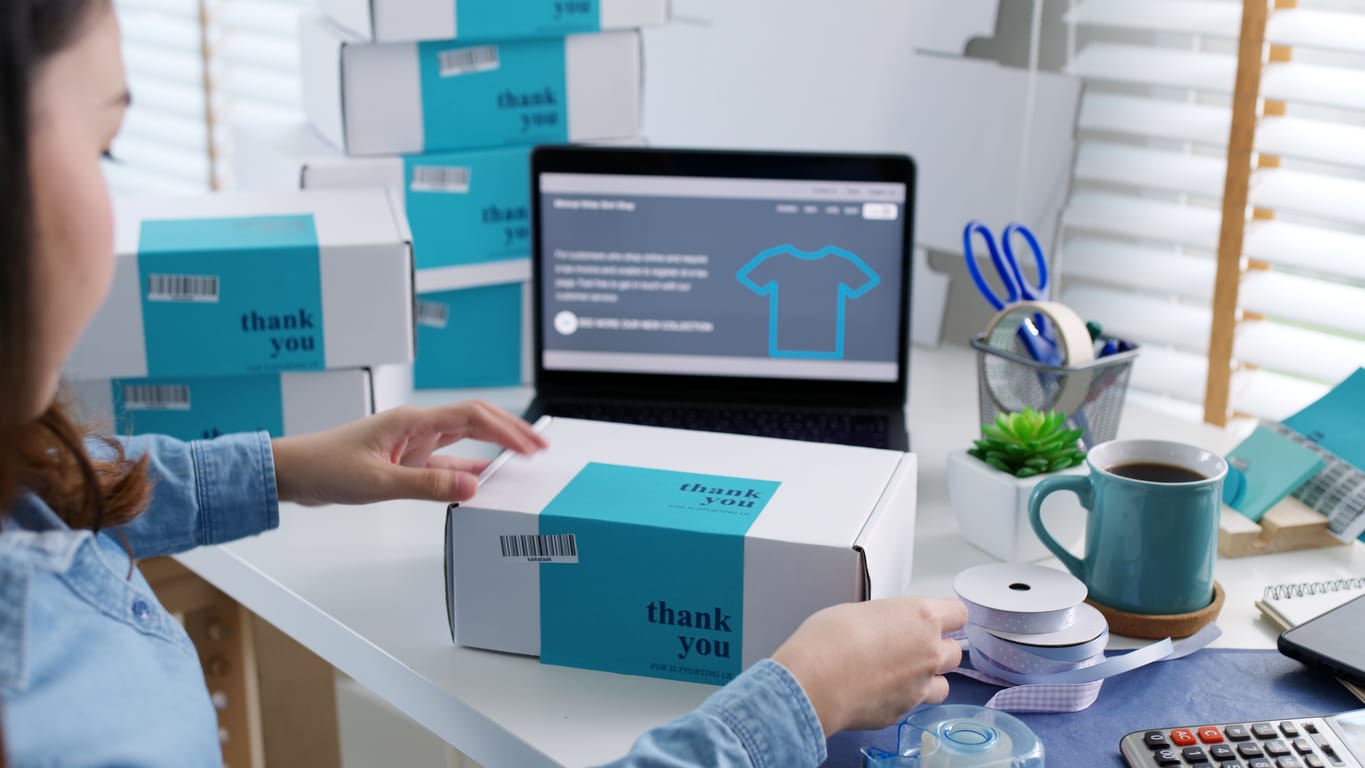
Private label dropshipping gives the merchant more control over the product itself. Depending on the agreement, an existing item may be modified - or a new version may be manufactured - to meet the brand's specifications.
Customization could involve:
• Materials or ingredients
• Product dimensions
• Exclusive colors
• Features or accessories
• Formulas
• Molds or tooling
• Permanent product labels
• Retail packaging and instructions
Supplier terminology is inconsistent. One factory may describe a logo printed on a stock item as private label, while another reserves that term for an exclusive product specification. Before comparing quotes, ask what physically changes, who owns the artwork or tooling, and whether other buyers can purchase the same version.
Private label also does not automatically mean zero inventory. A supplier may require the merchant to prepay for packaging, labels, components, or finished units. The stock may remain at the supplier's facility, but the seller's cash is still committed.
How the Two Models Compare
The following comparison describes typical operating differences. Actual requirements depend on the product, supplier, customization method, and destination market.
Decision Factor | Typical White Label Model | Typical Private Label Model |
Base product | Existing product available to multiple merchants | Product made or modified for a particular brand |
Branding control | Logo, label, insert, packing slip, or packaging | Product specifications, packaging, and branding may be customized |
Launch process | Fewer development steps | Sampling, revision, approval, and production may be required |
Upfront commitment | Usually lower | May include samples, tooling, packaging, deposits, or inventory |
MOQ | May be low but varies | Often higher and dependent on the customization |
Differentiation | Primarily offer, content, curation, and service | May include product-level differentiation |
Quality control | Confirm base-product consistency | Inspect production against an approved specification |
Inventory exposure | Often limited, although packaging may be prepaid | May include packaging, components, or finished inventory |
Switching suppliers | Usually easier | Harder if specifications or tooling are supplier-dependent |
Best use | Product testing and flexible catalogs | Proven products with a clear reason to customize |
The Differences That Affect Store Operations
Product and Packaging Customization
Product customization and packaging customization should be quoted separately. A supplier may support a branded card or mailer without changing the product. Another may modify the product but outsource the packaging to a separate factory with a different MOQ.
Request a written specification covering materials, measurements, tolerances, colors, label position, packaging, included accessories, and required artwork formats. Screenshots from a chat are not a reliable production standard.
MOQ and Cash Exposure
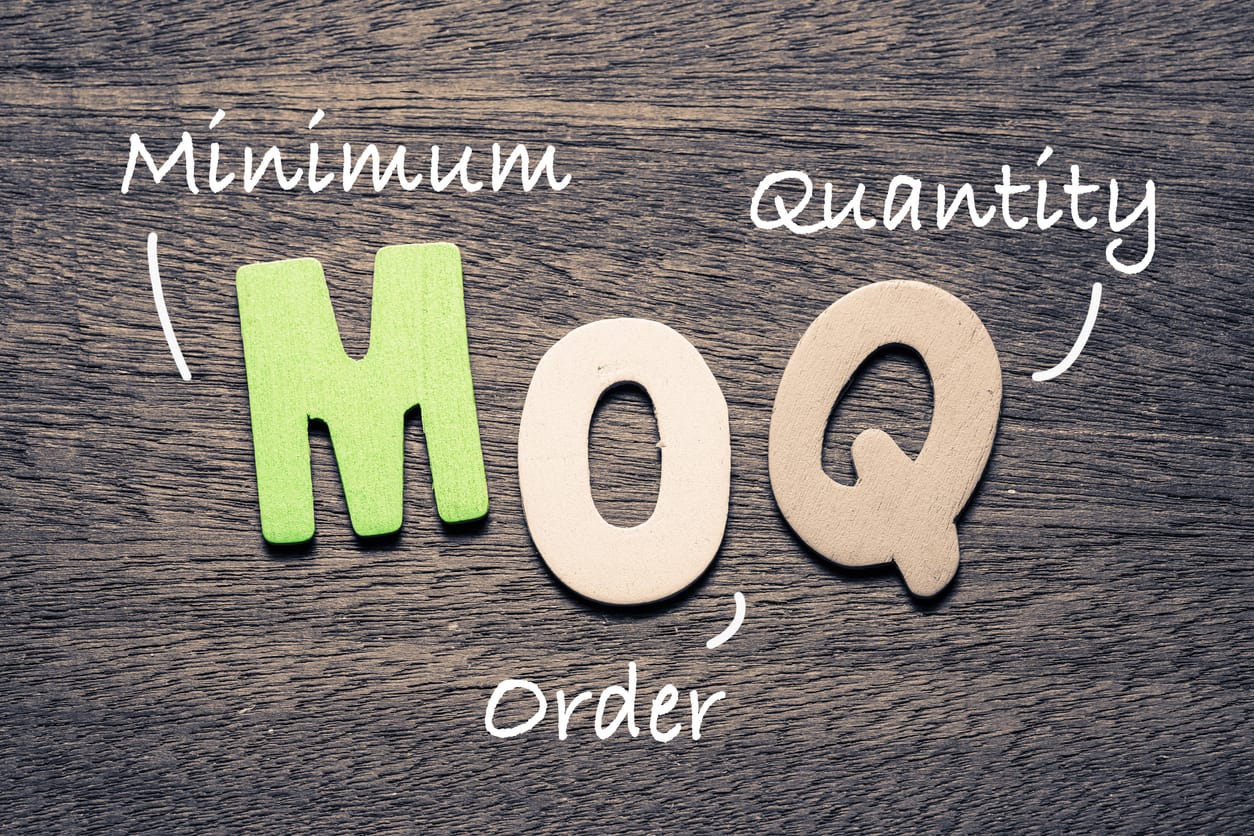
Dropshipping describes how customer orders are fulfilled. It does not guarantee that custom production has no minimum order.
Ask whether the MOQ applies per product, size, color, design, or total purchase. A minimum becomes much harder to manage when it is divided across several colors and sizes.
Your cash exposure may include:
• Product samples
• Design or tooling charges
• Production deposits
• Custom packaging
• Printed inserts
• Replacement inventory
• Packaging storage
• Shipping to the fulfillment location
Cost per Fulfilled Order

Do not compare suppliers using product cost alone. Calculate:
Product cost + customization allocation + packaging + inspection + pick and pack + shipping + duties and taxes + payment fees + expected refund and replacement cost
Then compare the result with customer acquisition cost and expected contribution margin.
Private label may support stronger pricing when the customization solves a problem customers value. It does not automatically produce a better margin. If customization adds more cost than customers are willing to pay, the product may look more distinctive while becoming less financially sustainable.
Quality Control
Custom specifications create more opportunities for mismatch. A logo may be off-center, a material may change between batches, an insert may be missing, or a custom variant may be mapped to the wrong storefront SKU.
Approve a physical sample and retain the approved photos, measurements, materials, and packaging files. Shopify also recommends testing products and checking consistency before scaling in its private label guidance.
Order Sync, Tracking, and Fulfillment Exceptions
A branded box will not help when the wrong variant ships or tracking never returns to the storefront.
When comparing dropshipping fulfillment services, check:
• How quickly paid orders enter the fulfillment queue
• How SKUs and variants are matched
• How out-of-stock products are handled
• When tracking returns to the store
• How split shipments appear to customers
• Who handles damaged, missing, or incorrect orders
For stores using multiple fulfillment locations, Shopify's order-routing documentation explains how routing rules determine which location receives an order.
WooCommerce merchants should separately confirm how their integration handles supplier notifications, order status changes, packing slips, inventory, and tracking. The official WooCommerce Dropshipping documentation illustrates these workflow components, but actual behavior depends on the extension or service provider.
Missing tracking and incorrect variants can increase "Where is my order?" tickets, refund requests, PayPal disputes, and Shopify chargeback risk. Test the exception workflow, not only the successful order path.
When White Label Is the Better Choice
White label is usually the safer choice when:
• The product has not generated consistent purchases.
• The store is still testing audiences or ad creative.
• Demand by size, color, or variant is unclear.
• A custom inventory commitment would restrict ad or support budgets.
• The product is seasonal or trend-sensitive.
• The store may need to replace the supplier quickly.
Where practical, test 10 to 20 real orders before ordering custom packaging or approving a production run. Review variant accuracy, tracking visibility, delivery complaints, defects, refund requests, and real cost per fulfilled order.
A small test cannot prove long-term demand, but it can reveal an incorrect SKU mapping, weak packaging, inconsistent quality, or a fulfillment process that creates too much manual work.
When Private Label Is the Better Choice
A custom run starts to make sense after the base product has earned the investment.
Private label may be appropriate when:
• A SKU has shown repeat demand.
• Customer feedback identifies a product change people value.
• Competing stores sell an indistinguishable item.
• The business can absorb samples and production commitments.
• Contribution margin remains workable after customization.
• The supplier can document production and inspection standards.
• The seller understands the product's labeling and compliance requirements.
The strongest customization usually solves a customer problem. Improving a weak zipper, adding a missing accessory, correcting sizing, or rewriting confusing instructions can create more value than placing a large logo on the package.
A Phased Branding Workflow
Most small stores do not need to private-label every SKU. They can move selected products through a controlled validation process.
Workflow Area | During White Label Testing | After Private Label Approval |
Product | Existing specification | Approved custom specification |
Inventory risk | Limited product commitment | Packaging, components, or finished units may be prepaid |
Quality check | Confirm base-product consistency | Inspect production against the approved sample |
Fulfillment | Validate SKU and tracking flow | Add custom-variant and branded-material checks |
Decision metrics | Delivered orders, returns, complaints, margin | Repeat demand, batch consistency, and contribution margin |
Start with the base product. Track purchases, delivered-order experience, refund reasons, support questions, and contribution margin.
If the SKU performs consistently, add a lower-risk branding layer such as an insert, instruction card, or custom package. This allows the store to move toward branded dropshipping without committing cash to custom versions of every unproven product.
Product-level changes should come later. Request samples, record the approved specification, compare production quotes, and keep slower or trend-sensitive products on a more flexible white label model.
Example: A North American Shopify Store
Consider a small Shopify store selling home organization products in the United States and Canada. This is an illustrative scenario, not a reported customer result.
The store tests six white label products. One drawer organizer generates repeat purchases, but customers regularly report that the dividers slide out of position. Rather than customizing the entire catalog, the operator asks suppliers to quote a locking divider for that single SKU.
Before approving production, the seller compares:
• Sample quality
• MOQ by color
• Packaging cost and storage
• U.S. and Canadian shipping options
• Production and replenishment lead times
• Replacement handling
• Shopify variant mapping
• Tracking return
• Existing white label inventory
For U.S. imports, country-of-origin marking requirements may apply. Sellers can begin with the U.S. Customs and Border Protection guidance. Unsupported "Made in USA" claims can create a separate risk, so sellers should also review the FTC's Made in USA guidance.
Canadian requirements should be reviewed independently. The Competition Bureau's Consumer Packaging and Labelling Guide explains federal requirements for applicable prepackaged non-food products. Requirements may vary by product category, destination, claims, and language obligations.
Tracking also needs a local-market test. An international tracking number is not the same as a USPS, UPS, FedEx, Canada Post, or other last-mile carrier acceptance scan. Record when the order enters fulfillment, when tracking appears, when the carrier records movement, and when the customer can follow the package without contacting support.
Use the actual results to write delivery messaging. Do not publish a tracking promise that the supplier has not demonstrated.
What to Verify Before You Commit
The lowest unit quote can become the most expensive workflow once packaging, inspection, storage, replacements, and fulfillment exceptions are added.
Product and Ownership
• What physically changes from the standard product?
• Can other buyers purchase the same specification?
• Who owns the artwork, mold, tooling, and production files?
• What materials, measurements, tolerances, and colors are approved?
• How are production units compared with the approved sample?
Cost and Inventory
• Does MOQ apply per SKU, size, color, or design?
• What sample, tooling, design, and revision charges apply?
• Must packaging, components, or finished products be prepaid?
• Are there packaging or inventory storage charges?
• What happens to unused materials if the seller changes suppliers?
Fulfillment and Exceptions
• How are Shopify or WooCommerce variants mapped?
• What happens when a supplier is out of stock?
• When does tracking return to the store?
• How are split shipments shown to the customer?
• Who pays for damaged, defective, or incorrectly branded products?
• Does the provider handle returns, replacements, or both?
Put the final requirements in a purchase order or service agreement. Supplier conversations can clarify the plan, but they should not replace an approved specification and documented responsibility for errors.
Common Mistakes to Avoid
Customizing before validating demand
Clicks and add-to-cart activity are not enough. Review completed purchases, delivered orders, return reasons, customer questions, and contribution margin before committing to custom production.
Treating packaging as product differentiation
Custom packaging can improve presentation, but it does not make a generic product exclusive. If the product is easy to compare, competitors may still compete on price.
Ignoring variant-level MOQ
A manageable total minimum can become risky when divided across multiple sizes, colors, or designs.
Scaling ad spend before testing fulfillment
A successful campaign can create a larger manual fulfillment queue, more tracking questions, and more expensive mistakes. Run live orders through the complete workflow first.
Assuming the supplier handles compliance
The seller should verify applicable labeling, product safety, import, claim, and documentation requirements for the destination market. Supplier-provided packaging may not automatically meet every U.S. or Canadian requirement.
Where BuckyDrop Fits
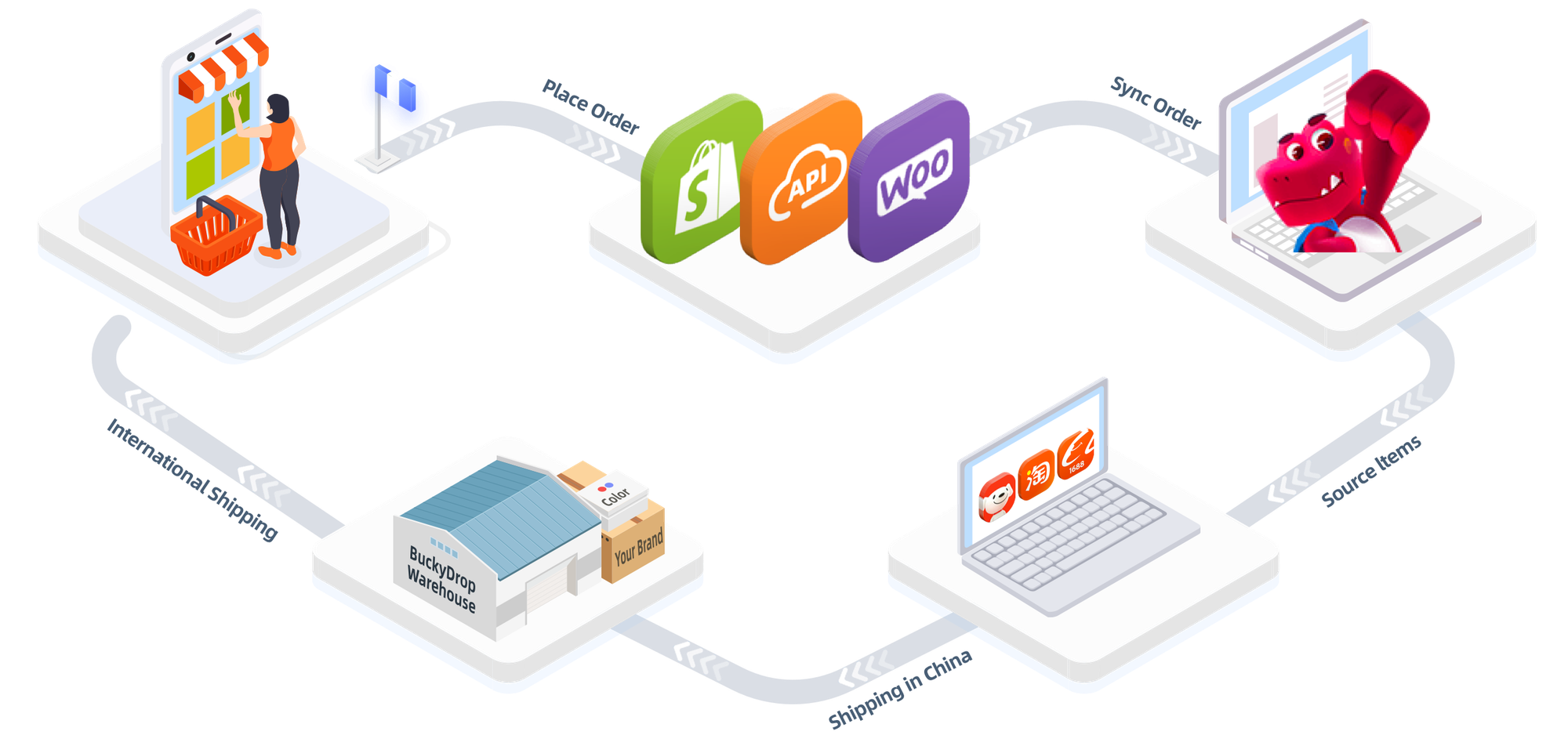
Based on its current public materials, BuckyDrop supports sourcing from China, branding coordination, order fulfillment, tracking updates, and Shopify and WooCommerce workflows. Its current Shopify App Store listing describes private label, white label, custom packaging, quality checks, automated fulfillment, tracking updates, and WooCommerce API integration.
This may fit sellers that want to move a validated product toward branded fulfillment without coordinating every supplier and order step separately.
BuckyDrop is not a substitute for demand validation, compliance review, or a product-specific agreement. Availability, MOQ, customization method, production cost, packaging storage, integration behavior, and shipping options may vary. Verify each requirement before scaling.
It may be a weaker fit for a seller that:
• Requires only U.S.-made or locally stocked products
• Has not validated any product demand
• Needs a fixed service commitment not stated in public materials
• Sells a regulated product without completing compliance review
• Is unwilling to approve samples or monitor fulfillment performance
Frequently Asked Questions
Is private label the same as white label?
No. White label generally means applying your branding to an existing product that other merchants may also sell. Private label usually involves a product made or modified for your brand. Supplier definitions vary, so confirm the actual specification and exclusivity.
Can I use private label dropshipping without holding inventory?
Sometimes, but the supplier may require prepaid packaging, components, labels, or finished units. Inventory can remain at the supplier's facility while still representing a financial commitment for the seller.
Does private label require an MOQ?
It often does, but the minimum varies by product, material, printing method, factory, and customization level. Ask whether the MOQ applies per variant or across the full order.
Can I use custom packaging with a white label product?
Many suppliers treat packaging separately from product customization. Confirm packaging MOQ, storage charges, replenishment timing, and what happens to unused packaging.
Is private label always more profitable?
No. Samples, packaging, inspection, production deposits, storage, shipping, refunds, and replacements can reduce the margin. Compare the complete cost per fulfilled order rather than the quoted unit price.
Which model is better for a new Shopify store?
White label is generally more practical while demand is unproven. Test live orders, review delivered-order performance, and consider private label after the product demonstrates repeat demand and workable unit economics.
Can a store sell both private label and white label products?
Yes. A store can private-label its core products while using white label products to test categories, create bundles, or respond to seasonal demand.
Does BuckyDrop support Shopify and WooCommerce?
Based on its current Shopify App Store listing, BuckyDrop provides a Shopify app and lists WooCommerce API integration. Verify current compatibility, onboarding requirements, and the exact order and tracking workflow before scaling.
What should I test before approving production?
Test product quality, packaging, barcode readability, variant accuracy, shipping protection, instructions, tracking return, and the customer's unboxing experience. Evaluate the production batch against an approved sample and written specification.
Who is responsible for labeling and compliance?
Responsibility depends on the product, destination, seller role, and contractual arrangement. Do not assume a supplier's standard label is sufficient for the United States or Canada. Review applicable customs, safety, consumer-labeling, and category-specific requirements.
Final Recommendation
When demand is still the open question, spend the next dollar on validation - not custom inventory. White label provides more flexibility for testing, while private label is better reserved for products that have earned deeper investment through repeat demand, customer feedback, and workable margins.
Use your next 10 to 20 suitable orders to measure variant accuracy, fulfillment handling, tracking return, customer questions, replacement cost, and real cost per fulfilled order.
If the SKU passes that test, explore BuckyDrop's dropshipping services and request a product-specific review covering sourcing, branding options, MOQ, samples, packaging inventory, inspection, and fulfillment exceptions. Verify each requirement before scaling ad spend or approving production.
Sources
2. BuckyDrop on the Shopify App Store
3. Shopify: Private Label Dropshipping Guide
4. Shopify Help Center: Order Routing
5. WooCommerce Dropshipping Documentation
6. U.S. Customs and Border Protection: Country-of-Origin Marking
7. Federal Trade Commission: Complying With the Made in USA Standard
8. Competition Bureau Canada: Consumer Packaging and Labelling Guide