Remote Dropshipping Jobs Reviewed: Which Platform Is Right for You?
Master remote dropshipping in 2026. Discover why backend infrastructure matters more than product catalogs. Compare the best dropshipping platforms like BuckyDrop for scaling your Shopify store with automated order management, integrated China fulfillment services, and private label support.

Table of contents
Why Choosing the Best Platform for Dropshipping Matters in Remote Work
The Hidden Challenges Behind Remote Dropshipping Jobs
Tool Overload and Fragmented Systems
Why Ecommerce Order Automation Is Often Incomplete
Comparing the Most Common Drop Shipping Platforms
Platform Comparison Overview
Marketplace-Based Platforms
Direct Supplier Sourcing and Dropshipping from China
Full-Service Dropshipping Fulfillment Services
What Makes a Platform Truly Remote-Friendly?
Automated Order Management That Actually Scales
Integrated Dropshipping Fulfillment Services
Access to Chinese Supply Chains Without Language Barriers
Support for Private Label Dropshipping
Who Should Consider a Hybrid Shopify Dropshipping Platform Like Buckydrop?
Final Verdict: The Best Platform for Dropshipping Depends on Your Infrastructure Needs
Why Choosing the Best Platform for Dropshipping Matters in Remote Work
Remote dropshipping becomes more complex as order volume increases.
At low volume, most systems appear stable. A typical shopify dropshipping platform can sync orders, forward them to suppliers, and push tracking updates without obvious friction. Early results often create the impression that the backend is fully automated.
That impression does not always hold under growth.
When daily orders increase, operational reliability becomes more important than feature lists. Delays in fulfillment affect customer satisfaction. Inventory inconsistencies affect refunds. Slow tracking updates increase support workload. These issues are not dramatic at first, but they accumulate.
This is where the question of the best platform for dropshipping becomes practical rather than theoretical.
Remote sellers depend heavily on ecommerce order automation because they are not physically close to suppliers or warehouses. They rely on systems to replace direct supervision. If those systems require frequent manual checks, operational pressure rises quickly.
Global cross-border ecommerce continues to expand, and more sellers operate without local teams. As competition increases, backend stability becomes a differentiating factor. Marketing can drive traffic, but infrastructure determines whether that traffic turns into repeat customers.
For sellers building long-term businesses, platform choice influences daily workload, refund rates, and margin stability. A stable foundation reduces friction. A weak one increases intervention.
The specific weaknesses that cause this pressure are often hidden at the beginning and usually emerge only after growth. For many sellers, once daily orders approach 80–100, small delays begin compounding. A supplier confirmation that takes a few extra hours generates customer emails. A tracking delay affects multiple orders at once. What felt manageable at 20 orders per day becomes operational pressure at scale.
The Hidden Challenges Behind Remote Dropshipping Jobs
The pressure described earlier usually comes from two specific weaknesses: fragmented tools and incomplete automation.
Tool Overload and Fragmented Systems

Most remote sellers do not rely on one system. They rely on several.
A common setup includes product sourcing tools, a fulfillment app, a separate tracking updater, and sometimes an external agent for dropshipping from china. Each part works independently. When something breaks, the seller has to trace the issue across platforms.
This fragmentation slows dropshipping order management.
For example, an order syncs correctly from the store. The supplier confirms it hours later. Tracking is uploaded the next day. The customer sees no movement and contacts support. Nothing failed completely, but the delay damages trust.
At scale, even small inconsistencies create workload. If 3% of 100 daily orders require manual correction, that means three operational interruptions every day.
Fragmented systems do not feel risky at low volume. They become expensive when growth depends on consistency.
Why Ecommerce Order Automation Is Often Incomplete

Many sellers believe they have automation because orders transfer automatically.
Order transfer alone is not a complete automated order processing system.
True ecommerce order automation should connect sourcing, fulfillment, and tracking in one structured flow. Inventory updates should reflect real supplier availability. Tracking numbers should sync without manual upload. Communication gaps should not require constant follow-up.
When those steps depend on manual confirmation, automation is partial.
This is where automated order management determines scalability. If the system stops at forwarding orders, the seller still carries operational risk.
Remote dropshipping jobs succeed when backend systems reduce supervision. When supervision remains necessary, growth increases pressure instead of profit.
Comparing the Most Common Drop Shipping Platforms
When evaluating drop shipping platforms, most sellers focus on product volume or subscription cost.
In practice, remote sellers should compare structure: How does the platform handle sourcing, communication, and fulfillment under scale? The three dominant operational models in today’s market are outlined below.
Platform Comparison Overview
Model | Best For | Supplier Control | Automation Depth | Operational Risk | Suitable for Remote Scale |
Marketplace-Based Platforms | Product testing | Low | Basic order forwarding | High | Limited |
Direct Supplier Sourcing | Margin control | High | Manual-heavy | Medium–High | Challenging |
Full-Service Dropshipping Fulfillment Services | Stable growth | Structured | Integrated workflow | Lower | Strong |
This comparison highlights a key industry shift: automation depth and fulfillment structure now matter more than catalog size.
Marketplace-Based Platforms
Many stores built on a shopify dropshipping platform begin with marketplace integrations such as AliExpress-style sourcing.
Advantages:
● Fast setup
● Large product catalog
● Low upfront risk
Limitations:
● Shipping time variability
● Inventory inconsistencies
● Supplier-by-supplier communication
This model provides access, not coordination.
For remote sellers managing higher order volume, fragmented fulfillment increases workload quickly.
Direct Supplier Sourcing and Dropshipping from China
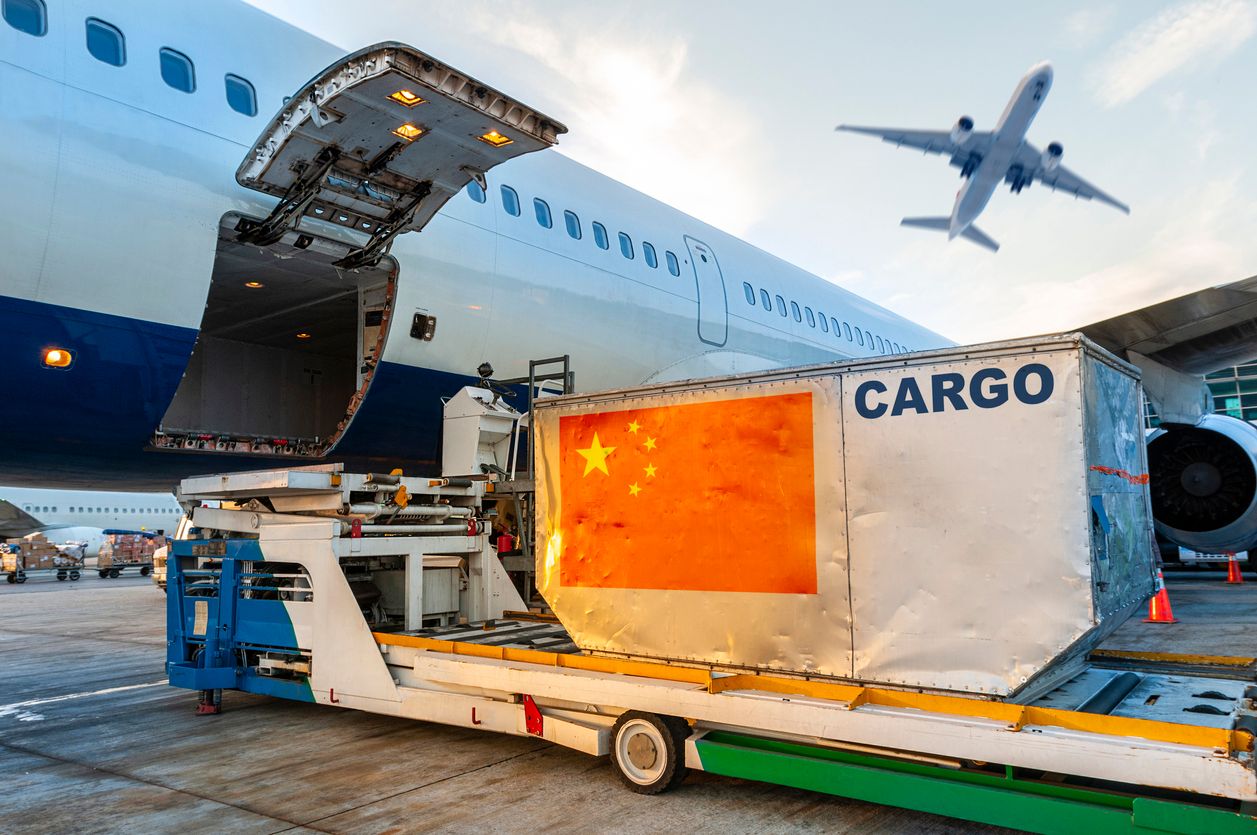
Working directly through dropshipping from china suppliers is common among experienced sellers. This approach, often associated with chinese dropshipping, offers better pricing flexibility.
Advantages:
● Strong margin control
● Greater customization potential
Limitations:
● Language barriers
● Time zone delays
● Manual supplier negotiation
● No centralized fulfillment structure
This model increases control but also increases responsibility.
Full-Service Dropshipping Fulfillment Services
Platforms offering structured dropshipping fulfillment services aim to reduce backend fragmentation.
These systems integrate:
● Supplier sourcing
● Order processing
● Warehousing
● Tracking updates
Some operate specifically as dropship fulfillment services, meaning they actively manage procurement and logistics instead of only forwarding orders.
Platforms like Buckydrop fit this category. Instead of simply forwarding orders, Buckydrop coordinates supplier communication, quality checks, and fulfillment within one structured system. The operational difference lies in centralized coordination. Dedicated account managers reduce supplier communication friction, which can be significant for remote sellers without local presence.
This structure is designed to reduce manual supervision as order volume grows.
What Makes a Platform Truly Remote-Friendly?
Remote sellers need stability, not more apps. A platform is remote-friendly when it reduces supervision as order volume grows.
Automated Order Management That Actually Scales
Reliable automated order management should handle more than order forwarding. Scalable ecommerce order automation must remain stable under higher volume.
Key requirements:
● Orders sync without delay
● Inventory reflects real supplier stock
● Tracking updates automatically
● Exceptions are handled within one system
If manual checks increase as volume grows, automation is incomplete.
Integrated Dropshipping Fulfillment Services
Structured dropshipping fulfillment services reduce operational fragmentation. Fulfillment should not rely on separate tools and manual coordination.
What matters:
● Centralized procurement and shipping
● Clear responsibility for delays
● Consistent tracking synchronization
● Reduced supplier-by-supplier communication
Integrated systems lower daily operational noise.
Access to Chinese Supply Chains Without Language Barriers

Many sellers rely on dropshipping from china for margin control. The challenge is communication, not product access.
Remote-friendly structure should provide:
● Centralized supplier communication
● Reduced language friction
● Clear stock confirmation process
● Time zone coordination support
Access without structure increases workload.
Support for Private Label Dropshipping
Competitive stores often shift toward private label dropshipping or white label dropshipping. Branding increases coordination demands.
A remote-friendly platform should support:
● Custom packaging execution
● Logo and labeling control
● Quality inspection before shipping
● Scalable branding without manual follow-up
Branding should not multiply operational complexity.
Who Should Consider a Hybrid Shopify Dropshipping Platform Like Buckydrop?
A hybrid model is not necessary for every seller. It becomes relevant when operational stability matters more than product access.
Buckydrop is better suited for:
● Sellers scaling beyond AliExpress
If shipping delays, supplier inconsistency, or refund pressure are increasing, a more structured backend is usually required.
● Remote store owners running a shopify dropshipping platform
Sellers managing orders across time zones without local teams benefit from centralized sourcing and fulfillment.
● Entrepreneurs searching for the best dropshipping software but realizing the issue is not features — it is coordination
When multiple apps create fragmentation, integration becomes more valuable than additional tools.
● Brand-focused operators moving toward private or customized products

When packaging control, inspection, and supplier negotiation matter, direct supply chain support reduces friction.
Buckydrop stands out in this category because it combines automation with coordinated supplier communication. For remote sellers managing growth without a local presence, that integration changes daily workload more than additional software features.
Final Verdict: The Best Platform for Dropshipping Depends on Your Infrastructure Needs
The best platform for dropshipping is not defined by catalog size or subscription cost. It depends on your operational stage.
If you are running a side hustle, simple marketplace tools may be enough.
If you are scaling consistently, infrastructure becomes more important than product access.
If you are building a remote brand, an integrated supply chain reduces risk and protects margins.
For sellers operating remotely without local teams, structural integration makes a measurable difference. Platforms like Buckydrop represent that shift. Instead of relying on fragmented tools, they coordinate sourcing, fulfillment, and supplier communication within one system. At scale, the best platform for dropshipping is the one that reduces operational friction.