Top AliExpress Alternatives To Know in 2026
Looking for AliExpress alternatives in 2026? Discover how to access Taobao and 1688 for 20-40% lower sourcing costs. Compare top platforms like Buckydrop to automate your dropshipping order management and scale your business with faster China fulfillment.
Table of Contents
- Introduction
- Why Sellers Are Looking for AliExpress Alternatives
- Major AliExpress Alternatives for Product Sourcing
- The Problem With Using Taobao and 1688 Directly
- Buckydrop: A Simpler Way to Access Taobao and 1688
- AliExpress vs Taobao vs 1688 vs Buckydrop
- How to Transition from AliExpress to a Better Supply Chain
- How Sellers Can Transition Away From AliExpress
- Conclusion
Introduction
Many beginners start with AliExpress when they try dropshipping from China. It’s like opening a small street stall—products are easy to find, and you can start selling quickly. For testing products, it still works well.
But when orders grow, the limits show up. Shipping can take 10–20 days, and supplier replies slow down. Managing daily dropshipping order management starts to feel like juggling too many balls at once.
Pricing is another wake-up call. Many sellers discover the same product on Chinese domestic platforms costs 20–40% less. It’s like buying from a middle shelf in a supermarket when the warehouse next door sells the same item cheaper.
Because of this, many sellers begin searching for better drop shipping platforms. Platforms like Taobao and 1688 offer deeper supplier access and lower prices, but they are not built for international sellers.
This is why many stores move toward integrated dropshipping services that connect them directly to Chinese suppliers while simplifying sourcing, automation, and fulfillment.
Why Sellers Are Looking for AliExpress Alternatives

If you’ve ever run a store using AliExpress, you’ve probably experienced this moment: the first few orders feel exciting, but after a while the system starts to feel tight—like running a shop from a tiny booth.
Have you noticed how shipping times can stretch to 10–20 days? Customers start asking, “Where is my order?” more often. For stores relying on dropshipping from China, slow delivery quickly becomes the biggest pressure point, which is why many sellers begin looking for faster china fulfillment options.
Another common situation: managing multiple suppliers. One message about stock, another about tracking, another about delays. At first it feels manageable. But once orders come daily, dropshipping order management can start to feel like spinning several plates at once.
And then there’s pricing. Have you ever searched the same product outside AliExpress and realized the cost is much lower elsewhere? Many sellers eventually discover that AliExpress is only one layer of the supply chain.
That realization is usually the turning point. Sellers start asking the same question:
If AliExpress is just the storefront, where is the warehouse behind it?
This is why more store owners explore other drop shipping platforms that offer closer supplier access, better pricing, and a more stable supply chain.
Major AliExpress Alternatives for Product Sourcing
Taobao
If you’ve ever tried to trace where a trending product actually comes from, you may have noticed something interesting: many products on AliExpress appear on Taobao earlier. It’s a bit like walking past a retail shop and discovering the bigger market behind it.
Taobao is one of China’s largest consumer marketplaces. For sellers exploring dropshipping from China, it offers a much wider range of products and often better pricing.
Typical advantages sellers notice:
● Lower prices – the same item can sometimes be 20–40% cheaper than AliExpress
● Earlier product trends – new styles often appear on Taobao first
● Huge product variety – niche items and creative products are easier to find
● Direct access to smaller suppliers that may not list products internationally
But international sellers quickly encounter practical barriers:
● The platform interface is mainly in Chinese
● Most suppliers only support domestic shipping in China
● Payment methods and communication tools are designed for local users
● No built-in tools for dropshipping order management
So while Taobao provides deeper supplier access, it can feel like entering a massive wholesale market without a guide.
1688
If Taobao feels like a retail market, 1688 is closer to the factory warehouse behind it.
The platform focuses on domestic wholesale and manufacturing suppliers. Many factories that supply global ecommerce sellers list products here first. For sellers interested in dropshipping china sourcing, this is often where the real price advantage appears.
Common benefits include:
● Factory-level pricing that can be significantly lower than marketplace listings
● Large supplier networks across many product categories
● Direct manufacturer access, which improves margin potential
● Strong supply options for scaling chinese dropshipping operations
However, using 1688 directly can also create challenges:
● Some suppliers expect bulk orders or negotiation
● The platform operates mainly in Chinese
● Orders require domestic logistics coordination
● Managing multiple suppliers without an automated order management system can become complicated
Because of these obstacles, many international sellers eventually realize that accessing suppliers is only half of the solution. The bigger challenge is coordinating sourcing, logistics, and fulfillment efficiently.
The Problem With Using Taobao and 1688 Directly
When sellers first discover Taobao or 1688, the reaction is often the same: “Why didn’t I find this earlier?” Prices are lower, suppliers are more direct, and the product range is huge.
But after trying to use these platforms for a few weeks, another reality appears.
First, communication becomes a barrier. Most suppliers operate in Chinese, and conversations about inventory, packaging, or shipping can quickly slow down. What seemed like a simple purchase can start to feel like negotiating in a market where you don’t speak the language.
Second, logistics coordination becomes complicated. Suppliers on these platforms usually ship domestically within China. That means sellers must arrange separate international shipping and china fulfillment before products reach customers.
Third, order handling becomes messy as stores grow. Imagine receiving 30 or 50 orders in a day and manually sending product links to different suppliers. Without ecommerce order automation, daily dropshipping order management quickly becomes inefficient.
Typical issues sellers encounter include:
● Language and communication barriers with suppliers

● Domestic-only shipping that requires additional logistics coordination
● Manual order handling when stores begin scaling

● Difficulty maintaining consistent delivery times
● No built-in system for automated fulfillment
This is the moment when many sellers realize something important. Accessing cheaper suppliers is helpful, but managing the entire supply chain is the real challenge.
That’s why many growing stores move toward integrated dropshipping services that combine sourcing, automation, and fulfillment in one system.
Buckydrop: A Simpler Way to Access Taobao and 1688
Many sellers eventually reach the same conclusion: Taobao and 1688 are powerful, but running them manually is like trying to run a restaurant while shopping for ingredients in three different markets every morning.
What sellers really need is a system that connects these supplier markets to their store and handles the heavy lifting. This is where Buckydrop works as a bridge.
Buckydrop allows stores to access products from Taobao, 1688, and other Chinese suppliers while simplifying daily operations.
Key advantages sellers notice:
● Centralized sourcing

Products from multiple Chinese platforms can be sourced in one place. Sellers no longer need to communicate with different suppliers individually.
● Automated order processing
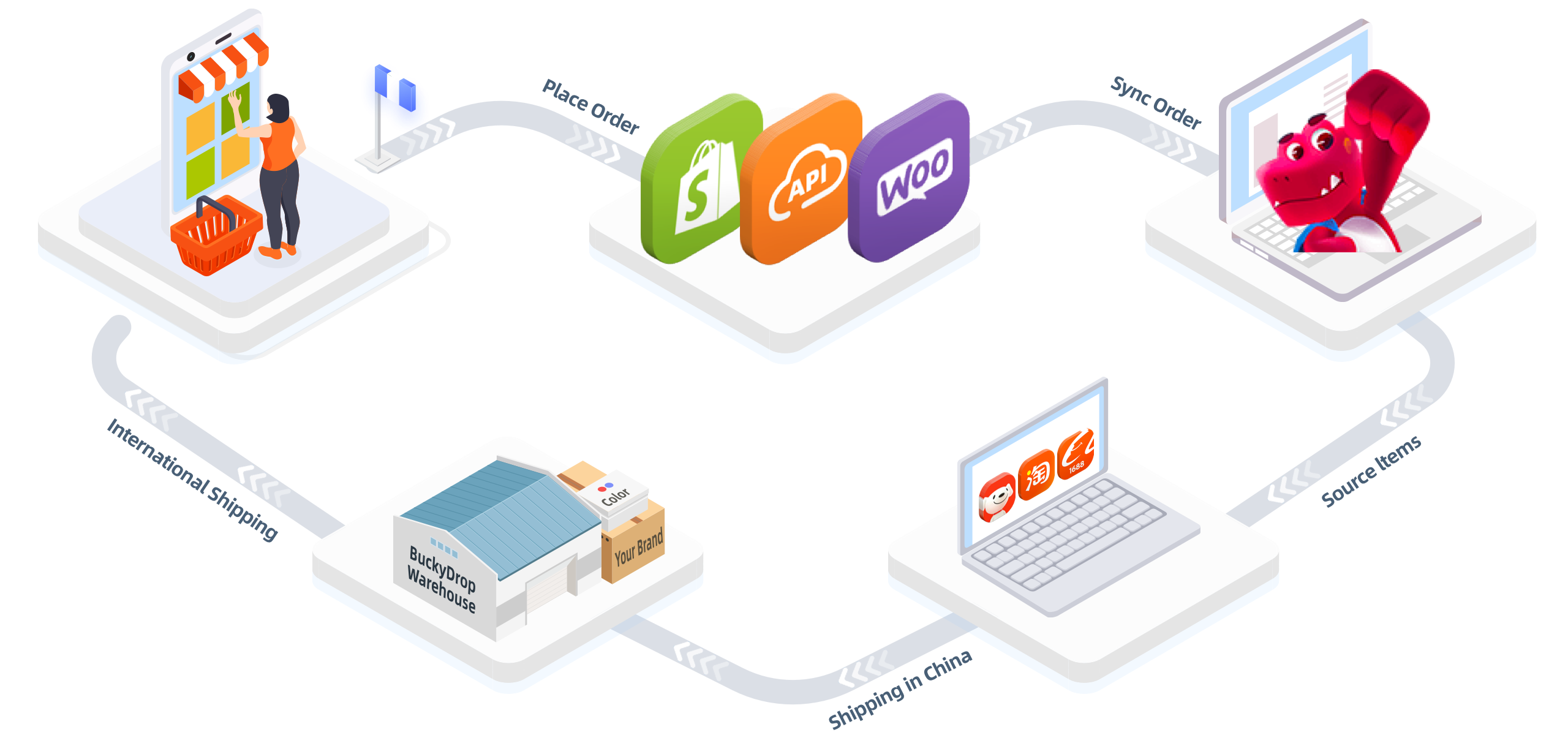
Orders from a shopify dropshipping platform or WooCommerce store sync automatically, reducing manual work in dropshipping order management.
● China fulfillment coordination
Products are processed through a structured china fulfillment workflow before shipping internationally.
● Supplier verification and QC
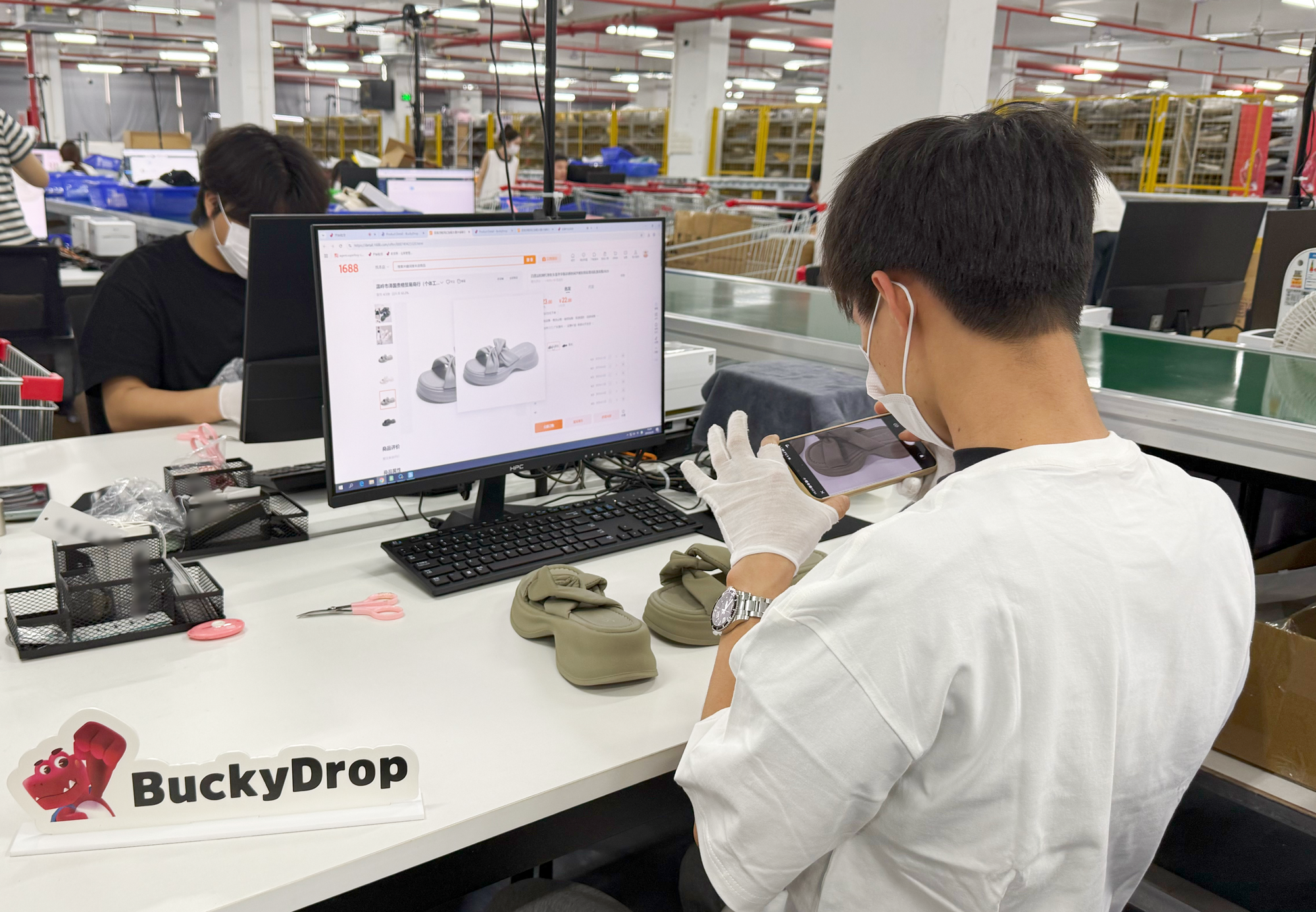
Products can be checked before shipment, helping reduce supplier inconsistencies often seen in dropshipping china sourcing.
● Brand support for scaling stores
Sellers can explore private label dropshipping or white label dropshipping as their stores grow.
For many sellers, the biggest change is operational simplicity. Instead of juggling multiple supplier chats and logistics steps, the supply chain becomes more structured.
In practice, Buckydrop functions less like another marketplace and more like an all-in-one dropshipping platform that connects stores directly to the Chinese supply chain while supporting dropshipping fulfillment services.
AliExpress vs Taobao vs 1688 vs Buckydrop
Factor | AliExpress | Taobao | 1688 | Buckydrop |
Product Pricing | Often higher due to reseller layers | Lower retail prices | Factory-level pricing | Access to Taobao & 1688 pricing |
Supplier Access | Mostly trading companies | Large retail supplier network | Direct manufacturers and wholesalers | Aggregates multiple chinese dropshipping suppliers |
Language Support | English interface | Mainly Chinese | Mainly Chinese | Designed for international sellers |
Order Handling | Manual with many suppliers | No direct dropshipping order management | No built-in automation | Built-in ecommerce order automation |
Shipping Setup | Supplier ships directly | Mostly domestic shipping | Domestic logistics only | Structured china fulfillment workflow |
Automation | Limited automation | None | None | Automated order processing system |
Scalability | Good for testing products | Hard for global sellers | Hard to manage manually | Built for scaling dropshipping from China |
In practice, many sellers use these platforms at different stages.
● AliExpress works well for beginners testing products.
● Taobao helps discover new trends and cheaper suppliers.
● 1688 offers factory pricing when margins become important.
But once a store grows, managing all three manually can feel like running a warehouse with no inventory system.
This is why many sellers move toward integrated dropshipping services that combine sourcing, automation, and dropshipping fulfillment services in one place.
How Sellers Can Transition Away From AliExpress
Moving away from AliExpress does not need to happen overnight. Most sellers switch gradually as their store grows.
A common transition process looks like this:
1. Identify winning products
Focus on items already selling in your store.
2. Search the same products on Taobao or 1688
Many sellers find lower supplier prices compared to AliExpress.
3. Connect a sourcing platform
Use tools that support dropshipping from China and simplify supplier access.
4. Automate order flow
Implement ecommerce order automation so orders sync directly from your store.
5. Stabilize fulfillment
Set up consistent china fulfillment to improve delivery reliability.
This approach allows stores to reduce sourcing costs while improving dropshipping order management as order volume grows.
Conclusion
AliExpress is still a useful starting point. It allows new sellers to test products quickly and launch a store with minimal setup.
But as stores grow, its limits become clearer. Shipping delays, supplier coordination, and pricing differences often push sellers to explore deeper dropshipping from China supply chains.
Platforms like Taobao and 1688 offer better product pricing and wider supplier access. The challenge is managing sourcing, logistics, and daily operations efficiently.
This is where platforms like Buckydrop become valuable. By combining supplier sourcing, ecommerce order automation, and structured china fulfillment, sellers can access Chinese suppliers while keeping operations simple.
For many growing stores, the goal is no longer just finding products. It’s building a stable system that supports long-term dropshipping fulfillment services and scalable ecommerce operations.