Top Clothing Sourcing Agents in China and Overseas for Trendy Apparel
Looking for reliable clothing sourcing agents? Discover the ultimate guide to dropshipping apparel from China. Learn how to scale your WooCommerce or Shopify store using automation, integrated fulfillment services, and verified suppliers to build a successful fashion brand in 2026.

Table of contents
- Why So Many Sellers Choose Dropshipping From China
- The Hidden Work Behind Running a Dropshipping Store
- Popular Dropshipping Platforms for Ecommerce Sellers
- Why Automation Is Becoming Essential
- What to Look for in a Dropshipping Platform
- The Growing Demand for Integrated Dropshipping Services
- How to Start Dropshipping Clothing From China (Step-by-Step)
- A Simpler Way to Manage Dropshipping From China
- FAQ
Many sellers enter the fashion ecommerce space with a simple idea: find trendy clothing, launch a store, and start selling. It sounds straightforward. But once the first orders begin to arrive, reality often looks a little different. Suddenly you’re dealing with supplier messages, shipment tracking, product quality questions, and customer inquiries all at the same time.
Have you ever found yourself checking three different supplier chats just to confirm whether an order was shipped? Or manually forwarding order details to factories late at night because customers placed orders while you were asleep? If that sounds familiar, you’re not alone. This is exactly the point where many sellers start exploring dropshipping from China and looking for better ways to manage the supply chain.
For new entrepreneurs wondering about the best way to start dropshipping, clothing is often one of the first categories they test. Apparel trends move fast, customers buy repeatedly, and the product variety is endless. But clothing also brings operational complexity. Sizes vary, fabrics differ, and suppliers don’t always respond at the speed ecommerce requires.
That’s why many store owners eventually realize that sourcing products is only half the equation. The real challenge is managing the entire workflow—from supplier communication to fulfillment—without turning your daily routine into a logistics puzzle.
Why So Many Sellers Choose Dropshipping From China

Think about where most fashion products are manufactured. Walk through any clothing store or check the labels inside popular garments, and you’ll notice a common pattern. A large portion of apparel is produced in China.
This is why dropshipping china has become such a widely used strategy for online sellers. Chinese factories produce everything from streetwear and dropshipping t shirts to jewelry and accessories. The production ecosystem is massive, and manufacturers are used to working with international ecommerce brands.
But here’s a question many beginners don’t consider at first:
Finding suppliers is easy. Managing them every day? That’s a completely different story.
At the beginning, many sellers try contacting factories directly through marketplaces. It works—for a while. But once daily orders increase, manual processes start to feel overwhelming. Imagine copying customer addresses, sending product information to suppliers, and tracking every shipment manually. That might be manageable with five orders a day. What about fifty? Or a hundred?
This is where automation and professional dropshipping services start to make a huge difference.
The Hidden Work Behind Running a Dropshipping Store

From the outside, running a shopify dropship store looks simple. Customers place orders, suppliers ship products, and everyone is happy. But behind the scenes, there are dozens of small steps happening constantly.
A typical day for many store owners might look like this:
● checking new orders
● sending order details to suppliers
● confirming inventory availability
● tracking shipment updates
● answering customer shipping questions
Does that routine sound familiar? If you’re doing all of this manually, it’s easy to see how quickly things can get chaotic.
Many sellers eventually search for better dropshipping order management systems because they realize their biggest bottleneck isn’t marketing—it’s operations.
Popular Dropshipping Platforms for Ecommerce Sellers
When researching the best platform for dropshipping, sellers usually discover a wide ecosystem of tools and services. Some focus on sourcing products, while others handle automation or fulfillment logistics.
Below is a simplified comparison of common drop shipping platforms used by ecommerce entrepreneurs.
Platform Type | Key Feature | Best For |
Product marketplaces | Access to large supplier catalogs | Beginners testing products |
Supplier directories | Direct contact with manufacturers | Experienced sellers |
Automation apps | Order synchronization and tracking | Growing stores |
Integrated platforms | Sourcing + fulfillment + automation | Scaling ecommerce brands |
For Shopify users, installing the best dropshipping apps for Shopify often becomes the first step toward automation. A dropship shopify app connects the store directly with suppliers so that orders can flow automatically between systems.
Similarly, WooCommerce sellers rely on woocommerce dropshipping plugins to manage product imports and automate supplier communication. Whether a store runs on Shopify or WooCommerce, the goal is the same: reduce manual work and create a reliable automated order processing system.
Why Automation Is Becoming Essential

Let’s ask an honest question.
If your store suddenly receives 100 orders tonight, would your current system handle it smoothly—or would you spend hours forwarding order details to suppliers?
This is why ecommerce order automation has become such an important topic for modern online businesses.
With automated order fulfillment, the workflow becomes much simpler. When a customer places an order, the system immediately sends the information to the supplier. The supplier processes the shipment, tracking details update automatically, and the store owner can monitor everything in one dashboard.
Instead of juggling spreadsheets, emails, and supplier chats, sellers rely on an automated order management system that keeps everything synchronized.
For stores selling multiple product categories—like apparel dropshipping, accessories, or jewelry dropshipping—automation is often the difference between a manageable business and a constant operational headache.
What to Look for in a Dropshipping Platform
Not all dropshipping sites offer the same capabilities. Some platforms only connect sellers with product catalogs, while others provide a full supply chain infrastructure.
When evaluating the best dropshipping websites, experienced sellers usually pay attention to a few key factors.
Feature | Why It Matters |
Supplier verification | Prevents unreliable factories |
Automated order syncing | Reduces manual order forwarding |
Shipping coordination | Improves delivery reliability |
Product sourcing support | Helps sellers launch new products faster |
Integrated fulfillment | Keeps operations centralized |
Without these features, running a store can quickly become complicated. Have you ever waited days for a supplier to confirm whether an order was shipped? Or realized too late that a product was suddenly out of stock?
These small disruptions can easily affect customer experience.
The Growing Demand for Integrated Dropshipping Services
As ecommerce businesses grow, many sellers begin searching for more comprehensive dropshipping fulfillment services. Instead of managing separate sourcing agents, logistics providers, and automation tools, they prefer systems that combine everything in one place.
Integrated platforms typically include:
● product sourcing from verified factories
● supplier communication
● automated order fulfillment
● global shipping coordination
● centralized china fulfillment support
For sellers running stores with drop ship clothing, accessories, or custom apparel dropshipping, this kind of system can dramatically simplify operations.
Think about it this way: instead of switching between five different tools every day, everything happens inside a single dashboard.
How to Start Dropshipping Clothing From China (Step-by-Step)
Starting a clothing store with dropshipping from China doesn’t have to be complicated. Most successful sellers follow a similar process. The key difference is how efficiently each step is managed.
Step 1: Choose a Clothing Niche
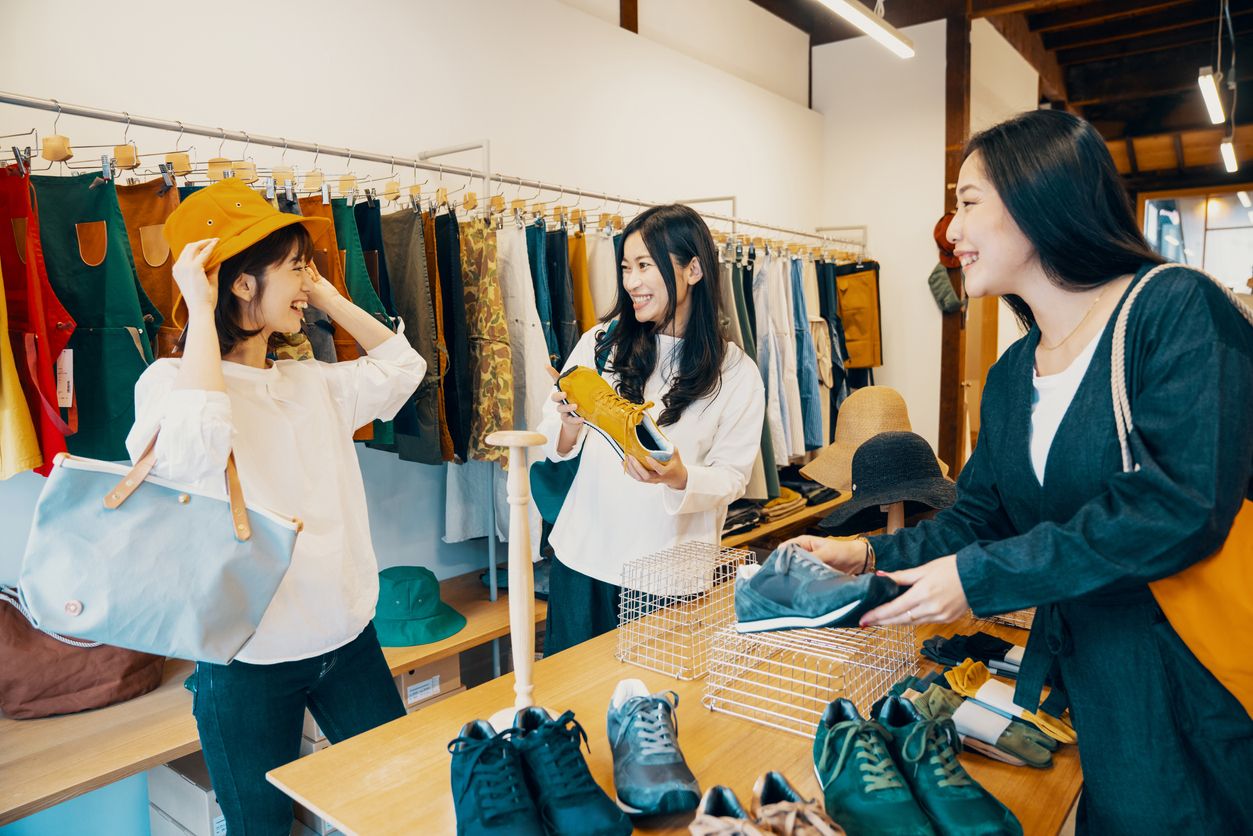
Start with a focused category instead of selling everything.
Examples include:
● dropshipping t shirts
● streetwear
● gym apparel
● custom apparel dropshipping
A niche store usually builds stronger branding and converts better.
Step 2: Build Your Online Store
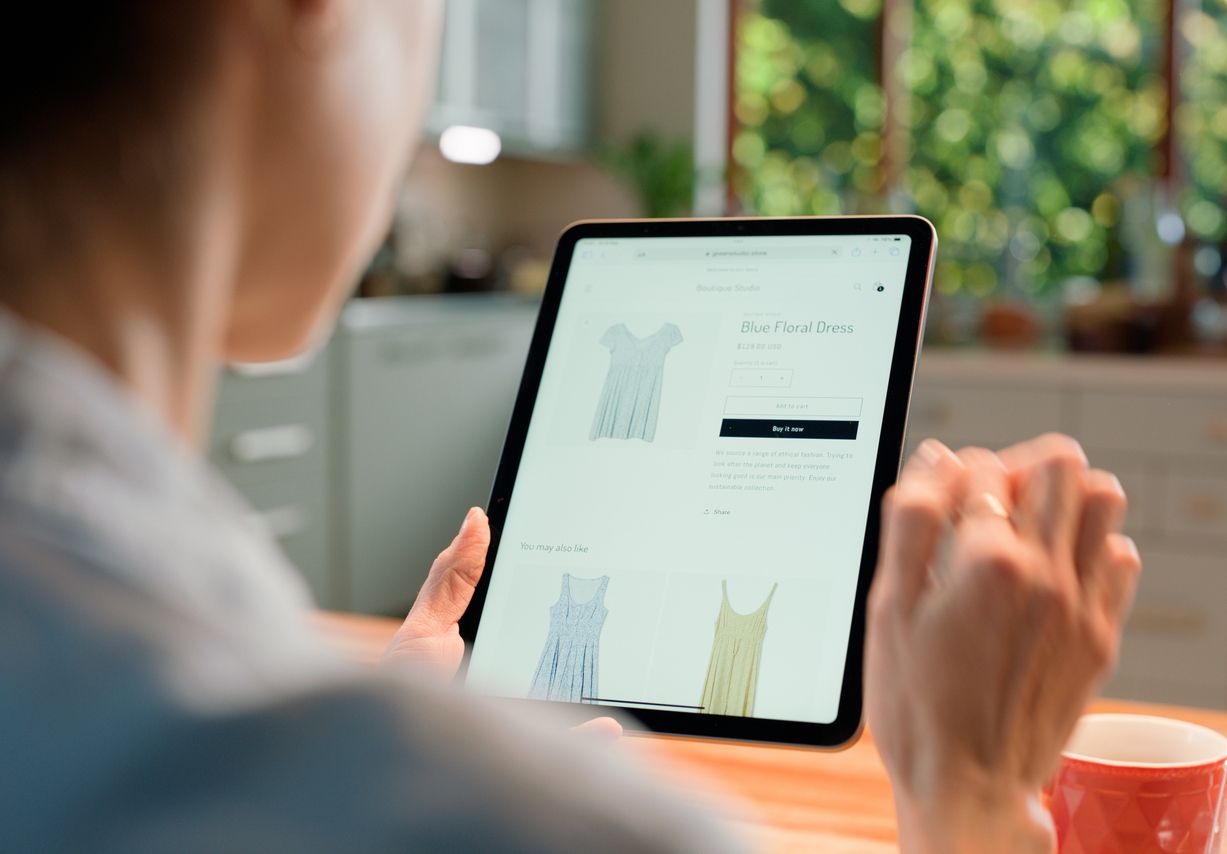
Next, create your ecommerce store.
Most sellers choose platforms like:
● Shopify
● WooCommerce
These platforms support many dropship apps and integrations, which makes product sourcing and order automation much easier.
Step 3: Find Reliable Suppliers
Look for trusted dropship China suppliers that can provide stable quality and shipping.
Reliable suppliers should offer:
● consistent product quality
● clear communication
● stable delivery times
Working with verified suppliers helps avoid delays and unhappy customers.
Step 4: Connect Automation Tools
Manual order processing quickly becomes overwhelming as orders grow.
Install a dropship shopify app or similar automation tool to enable:
● automated order fulfillment
● ecommerce order automation
● tracking synchronization
This allows orders to move from checkout to shipment automatically.
Step 5: Launch and Test Products
Once your store is ready, start testing products.
Focus on:
● running ads
● promoting on social media
● identifying products that sell consistently
Testing helps you discover winning items before scaling.
Step 6: Scale With Fulfillment and Automation
When orders increase, operations become more demanding.
This is when sellers typically rely on:
● dropshipping fulfillment services
● china fulfillment providers
● automated order processing systems
These tools help maintain smooth operations as your business grows.
A Simpler Way to Manage Dropshipping From China
So what happens when sourcing, automation, and fulfillment are all connected?
This is where modern platforms like Buckydrop come into the picture.
Rather than acting as a traditional drop shipping company, Buckydrop combines sourcing, supplier management, and order fulfillment automation within one platform. Sellers can connect their stores, sync orders automatically, and work with verified Chinese suppliers without constantly switching between different systems.
For example, if you’re running a store selling dropshipping t shirts or planning to launch private label dropshipping apparel, the platform helps coordinate production and fulfillment from China while keeping order data synchronized with your ecommerce store.
The result? Fewer manual tasks, fewer supplier communication delays, and a much smoother operational workflow.
And honestly, isn’t that what most ecommerce sellers want?
Not more spreadsheets. Not more supplier chats. Just a system that lets you focus on building your brand while the logistics run quietly in the background.
In today’s fast-moving ecommerce environment, combining reliable dropshipping services with automation technology is quickly becoming the new standard. Sellers who adopt these systems early often discover something surprising: running a scalable dropshipping business doesn’t have to feel complicated at all.
FAQ
1. What is a clothing sourcing agent?
A clothing sourcing agent helps ecommerce sellers find reliable factories, negotiate prices, manage samples, and coordinate production and shipping.
2. Why do many sellers source clothing from China?
China has a huge apparel manufacturing network, competitive pricing, and flexible production capacity, which makes dropshipping from China attractive for online sellers.
3. What is the best way to start dropshipping clothing?
Most beginners start by choosing a niche, building a store on Shopify or WooCommerce, and working with reliable dropshipping services that can handle sourcing and fulfillment.
4. Can you automate dropshipping orders?
Yes. With ecommerce order automation, orders can automatically sync from your store to suppliers, allowing automated order fulfillment without manual processing.
5. What platform is best for clothing dropshipping?
Many sellers use Shopify because it integrates with various dropship apps and supplier networks that simplify product sourcing and order management.
6. How long does dropshipping from China usually take?
Shipping time typically ranges from 7–15 days, depending on the logistics method and the china fulfillment provider used.
7. Do you need a sourcing agent for apparel dropshipping?
Not always, but sourcing agents or integrated platforms can help manage suppliers, product sourcing, and dropshipping order management more efficiently.