What Is Your Biggest Expense in Dropshipping?
Is advertising really your biggest dropshipping expense? Discover the 6 core costs of dropshipping in 2026, from hidden payment fees to refund impacts. Learn how your cost structure shifts as you scale and how to protect your profit margins.

Table of contents
What Are the Main Dropshipping Expenses?
1. Product Cost
2. Advertising Cost
3. Shipping Cost
4. Payment Processing Fees
5. Refunds and Returns
6. Software and Tool Subscriptions
Is Advertising Really Your Biggest Expense?
Shipping, Refunds, and Chargebacks: Where Profit Actually Shrinks
Payment Processing and Transaction Fees Most Sellers Ignore
The Cost of Time: Managing Suppliers, Orders, and Customer Issues
How Your Biggest Expense Changes as You Scale
Conclusion
Sources
What Are the Main Dropshipping Expenses?
Before deciding what the biggest expense in dropshipping is, it’s necessary to understand how total costs are structured. Many beginners focus only on product cost and advertising, but real dropshipping expenses extend across multiple layers that directly affect profit margins.
Most dropshipping businesses operate within six primary cost categories.
1. Product Cost

Product cost is the price paid to suppliers for each unit sold. This directly determines your gross margin. In competitive ecommerce markets, maintaining a margin of at least 20–30% is generally considered the minimum needed to absorb operational risk, refunds, and advertising fluctuations.
Without sufficient margin at the product level, other costs become difficult to manage.
2. Advertising Cost

Advertising is often the most visible dropshipping cost because it is measured daily through ad platforms.
Industry benchmarks suggest that ecommerce brands commonly allocate 20–40% of revenue toward customer acquisition during testing and scaling phases. As competition on platforms like Meta and TikTok has intensified, customer acquisition costs have increased in recent years, according to digital ad spending analyses from Insider Intelligence.
Advertising is adjustable and performance-driven, but it is only one component of overall profitability.
3. Shipping Cost
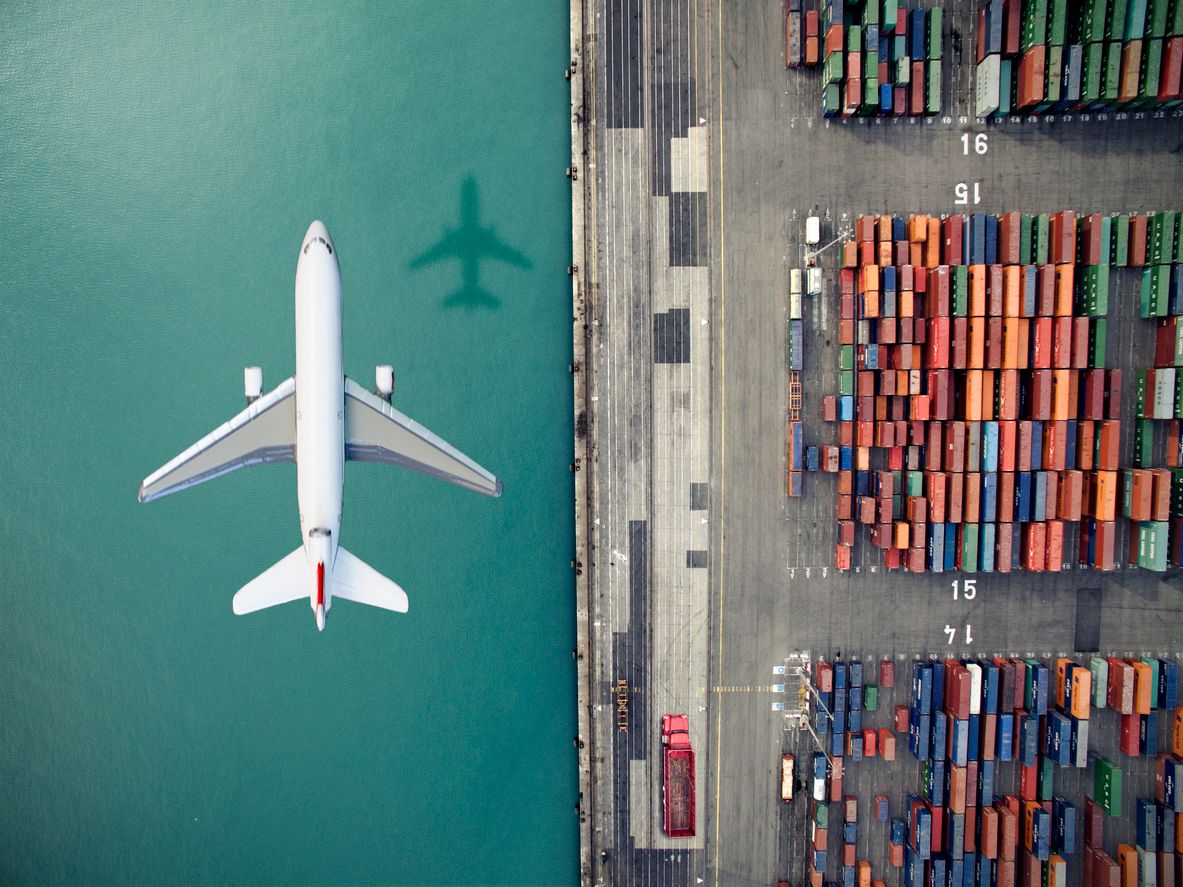
Shipping expenses depend on delivery speed, carrier choice, and destination market.
For stores relying on dropshipping from china, cross-border logistics introduces additional variability in delivery time and fulfillment cost. Statista reports that international ecommerce continues to grow as a share of total online retail sales, increasing dependence on overseas supply chains.
Faster shipping may improve conversion rates, but it raises the per-order fulfillment cost and reduces margin buffer.
4. Payment Processing Fees
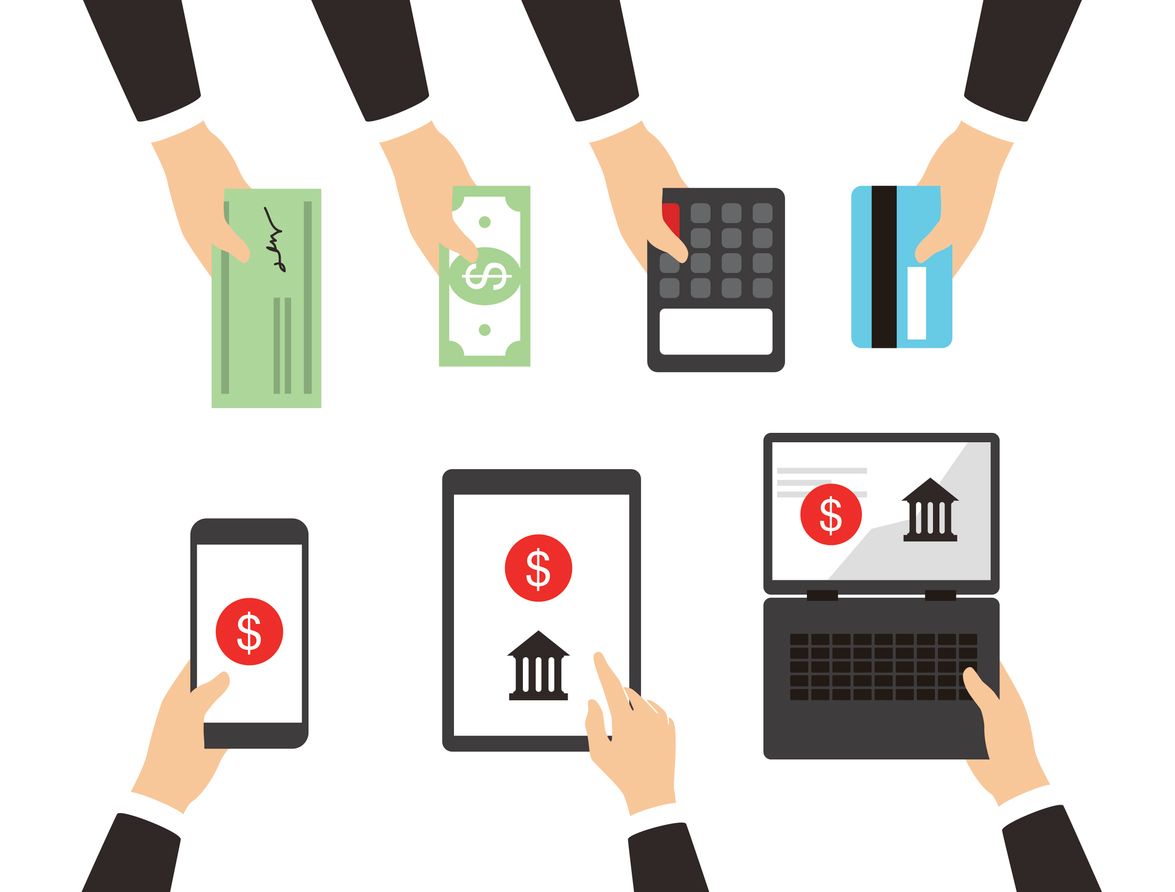
Every online transaction carries processing fees.
Stripe’s official pricing lists standard online card processing at approximately 2.9% + $0.30 per successful transaction in the United States. PayPal applies similar percentage-based merchant fees.
As revenue scales, these percentage-based fees become a significant part of total dropshipping expenses, particularly in high-volume stores.
5. Refunds and Returns
Returns are frequently underestimated in early calculations.
According to the National Retail Federation (NRF) 2023 Retail Returns Report, average ecommerce return rates range between 16% and 20% across categories, with apparel often exceeding that range.
Each refund typically absorbs:
● Product cost
● Shipping cost
● Advertising spend
● Payment processing fees
Because refunds eliminate revenue while preserving most underlying expenses, they have a disproportionate impact on margin.
6. Software and Tool Subscriptions
Running a store often requires recurring subscriptions, especially when operating on a shopify dropshipping platform or similar ecommerce infrastructure. Platform fees, app integrations, analytics tools, and email marketing systems all contribute to ongoing operational cost.
Individually modest, these recurring fees accumulate and increase the long-term cost of running a dropshipping business.
When evaluated together, these categories show that the biggest expense in dropshipping is rarely a single obvious number. For many sellers, the true cost becomes clearer when comparing in-house management to structured dropshipping services, where certain operational costs may be consolidated.
Is Advertising Really Your Biggest Expense?
Advertising is often assumed to be the biggest expense in dropshipping because it is the most visible part of the operation. Sellers track cost per click and return on ad spend daily, and many brands allocate 20–40% of revenue to paid acquisition during growth phases. Rising competition has increased customer acquisition costs in recent years.
However, visibility does not mean advertising is the most damaging dropshipping cost. Unlike fixed expenses, ad budgets can be adjusted and campaigns paused. Advertising acts more like a controllable investment than a structural burden.
The real issue is whether ads destroy margin or expose weaknesses elsewhere. When fulfillment is unstable or refund rates rise, paid traffic simply magnifies those problems. This is why some sellers begin evaluating structured dropshipping services as they scale.
When assessing the true biggest expense in dropshipping, the focus should move beyond acquisition to post-sale operations, including fulfillment and coordination, which ultimately influences whether a store is using the best platform for dropshipping at its current stage.
Shipping, Refunds, and Chargebacks: Where Profit Actually Shrinks
While advertising attracts attention, shipping and refunds are often where profit quietly erodes. For stores relying on dropshipping from china, delivery time becomes a structural factor rather than a minor detail. International logistics can involve customs delays and carrier variability, which are largely outside the seller’s control. Even with competitive product pricing, longer shipping windows may reduce customer satisfaction and increase refund requests.
Industry data shows ecommerce return rates commonly range between 16% and 20% across categories. Each refund does not simply remove revenue; it absorbs product cost, shipping fees, ad spend, and payment processing charges simultaneously. Chargebacks add further pressure, including dispute fees and potential account risk.
Unlike advertising, which can be adjusted quickly, shipping delays and refund trends build gradually. By the time they appear clearly in financial reports, margins may already be compressed. For many sellers, this is when the real biggest expense in dropshipping becomes evident.
Payment Processing and Transaction Fees Most Sellers Ignore
Payment costs are easy to overlook early on, but they become more significant as revenue grows. A store operating on a shopify dropshipping platform pays a monthly subscription fee regardless of sales performance. While manageable at first, this fixed cost continues even during slow periods.
Each transaction also carries a processing fee. Stripe’s standard online rate in the U.S. is about 2.9% + $0.30 per transaction, with PayPal using a similar structure. At $50,000 in monthly revenue, a 2.9% fee alone equals $1,450 before fixed charges are added. What seems small at low volume becomes meaningful at scale.
Cross-border sales may trigger additional currency conversion fees, further reducing effective margin. Chargebacks add dispute fees and potential account risk.
Because these deductions are spread across transactions, they often go unnoticed. Yet together they form a steady layer of dropshipping expenses. Unlike advertising, payment processing costs rise automatically with revenue, making them a structural component of profitability rather than a temporary variable.
The Cost of Time: Managing Suppliers, Orders, and Customer Issues
Time is one of the least calculated but most impactful dropshipping expenses. As order volume increases, daily operational tasks expand in ways that are not immediately visible in financial reports.
● Handling order exceptions
Even if only a small percentage of orders require manual correction, the workload grows quickly at scale. Address changes, stock inconsistencies, payment issues, or tracking delays interrupt normal dropshipping order management and require direct attention.
● Communicating with suppliers
Stock confirmations, quality concerns, and shipment follow-ups often involve repeated communication. Without reliable ecommerce order automation, these tasks must be handled individually, slowing overall workflow.
● Managing customer service
Questions about shipping status, delivery timing, and refunds increase when fulfillment is inconsistent. Each response consumes time that could otherwise be used for growth activities.
● Maintaining multiple tools
Using separate apps for sourcing, tracking, analytics, and updates creates coordination overhead. When systems do not operate under structured automated order management, sellers spend additional time reconciling information across platforms.
Individually, these tasks appear manageable. Together, they compound. As daily orders grow, the cost of time increases alongside revenue, making operational workload one of the most underestimated expenses in a dropshipping business.
How Your Biggest Expense Changes as You Scale
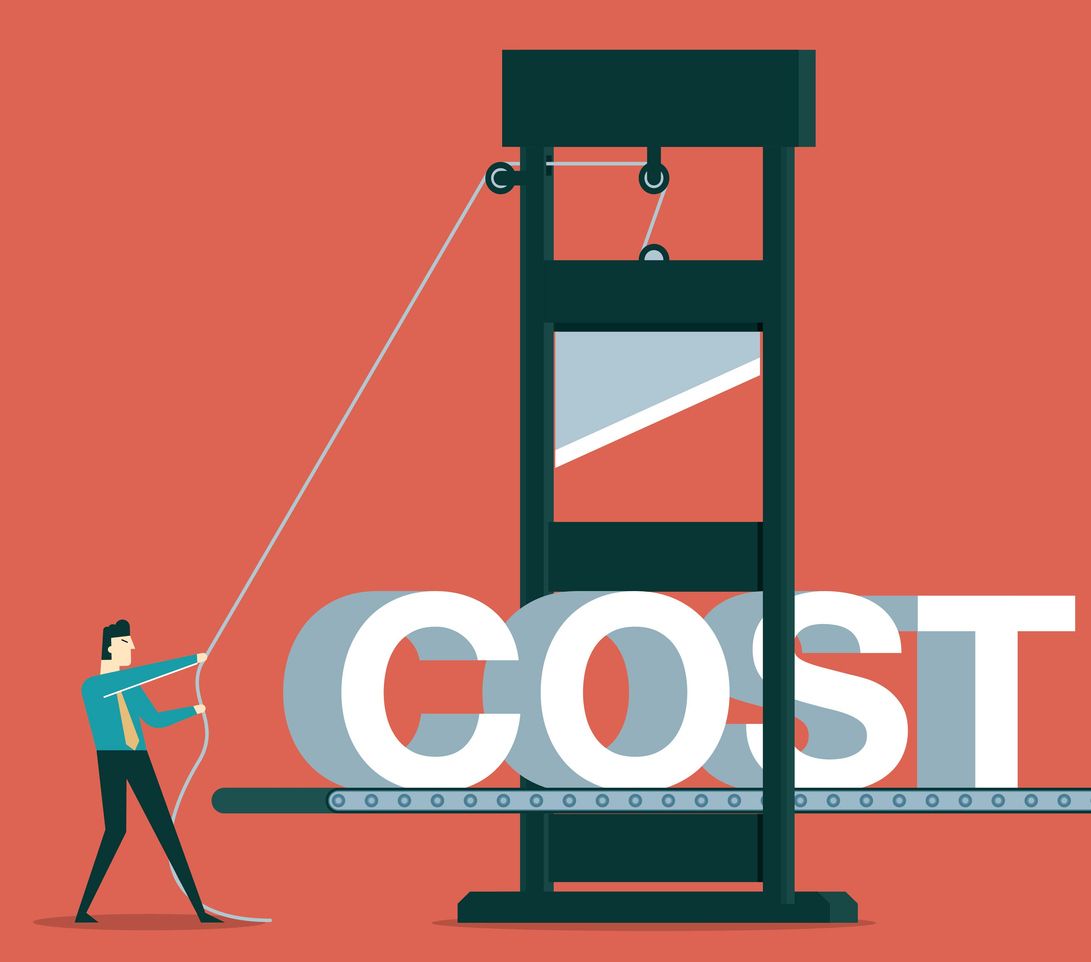
The biggest expense in dropshipping is not fixed. It shifts as your business grows.
Stage 1: Testing Phase
● Primary cost: Advertising
● Focus: Validating product-market fit
● Risk: Spending heavily on ads without consistent conversions
At this stage, traffic is the main investment. Operational complexity remains low.
Stage 2: Early Profit Phase
● Primary cost: Refunds and shipping variability
● Focus: Stabilizing delivery and customer experience
● Risk: Margin loss from returns and delayed fulfillment
As order volume increases, shipping reliability begins to impact profitability.
Stage 3: Growth Phase
● Primary cost: Time and operational inefficiency
● Focus: Managing higher order volume
● Risk: Manual processing limits scalability
Without structured systems or dropshipping fulfillment services, sellers often find workload increasing at the same pace as revenue.
Stage 4: Brand Expansion Phase
● Primary cost: Supply chain control and customization
● Focus: Differentiation and customer retention
● Risk: Higher upfront investment
At this stage, many sellers explore private label dropshipping, which introduces packaging, quality control, and branding expenses.
Each stage changes the cost structure. What feels like the biggest expense early on may no longer be the dominant cost later.
Understanding where you are in this progression helps clarify what is truly affecting your margins.
Conclusion
The biggest expense in dropshipping is not always advertising. While ad spend is the most visible dropshipping cost, long-term pressure often comes from refunds, payment processing fees, and operational inefficiencies that increase as order volume grows.
As stores scale, managing suppliers, tracking shipments, and handling customer issues manually can quietly reduce margins. These costs may not appear dramatic individually, but together they shape overall profitability.
For sellers seeking better cost control, improving structure becomes more important than cutting ad budgets. Platforms like Buckydrop focus on integrating sourcing and fulfillment to reduce operational friction and stabilize supply chains.
In the end, the biggest expense in dropshipping is rarely the one you see first — it’s the one that steadily narrows your margin over time.
Sources
● National Retail Federation (NRF), 2023 Retail Returns Report
● Stripe Official Pricing Page
● PayPal Merchant Fee Structure
● Insider Intelligence, Digital Ad Spending Report