WooCommerce Dropship Guide: Suppliers & Plugins for 2026
Learn how to succeed with dropshipping with WooCommerce by choosing reliable suppliers, building a scalable woocommerce dropship workflow, and using the right woocommerce dropshipping plugins for automation and fulfillment.

The State of Dropshipping With WooCommerce in 2026
In 2026, dropshipping with WooCommerce remains one of the most popular ways to build an independent eCommerce business. Unlike marketplace-based models, WooCommerce gives store owners full control over their website, customer data, SEO strategy, and checkout experience. For entrepreneurs who want long-term brand ownership rather than platform dependency, it continues to be a powerful choice.
However, the environment has changed.
Advertising costs are higher. Customer expectations are stricter. Shipping delays are less tolerated. What worked in 2020 or even 2023 no longer guarantees profitability today. The real challenge is no longer launching a store—it’s operating it efficiently.
Many sellers focus heavily on themes, design, or plugins. But in reality, the supplier behind your store determines whether your business is sustainable. Product quality, inventory stability, shipping speed, and backend automation directly affect customer satisfaction and profit margins. A weak fulfillment process can quickly turn paid traffic into refunds and disputes.
In today’s competitive landscape, the success of dropshipping with WooCommerce depends on building a reliable supply chain, not just choosing the right front-end tools. This guide will walk you through how to evaluate WooCommerce dropshipping suppliers in 2026 and how to identify partners that support long-term growth rather than short-term testing.
What Is Dropshipping With WooCommerce?
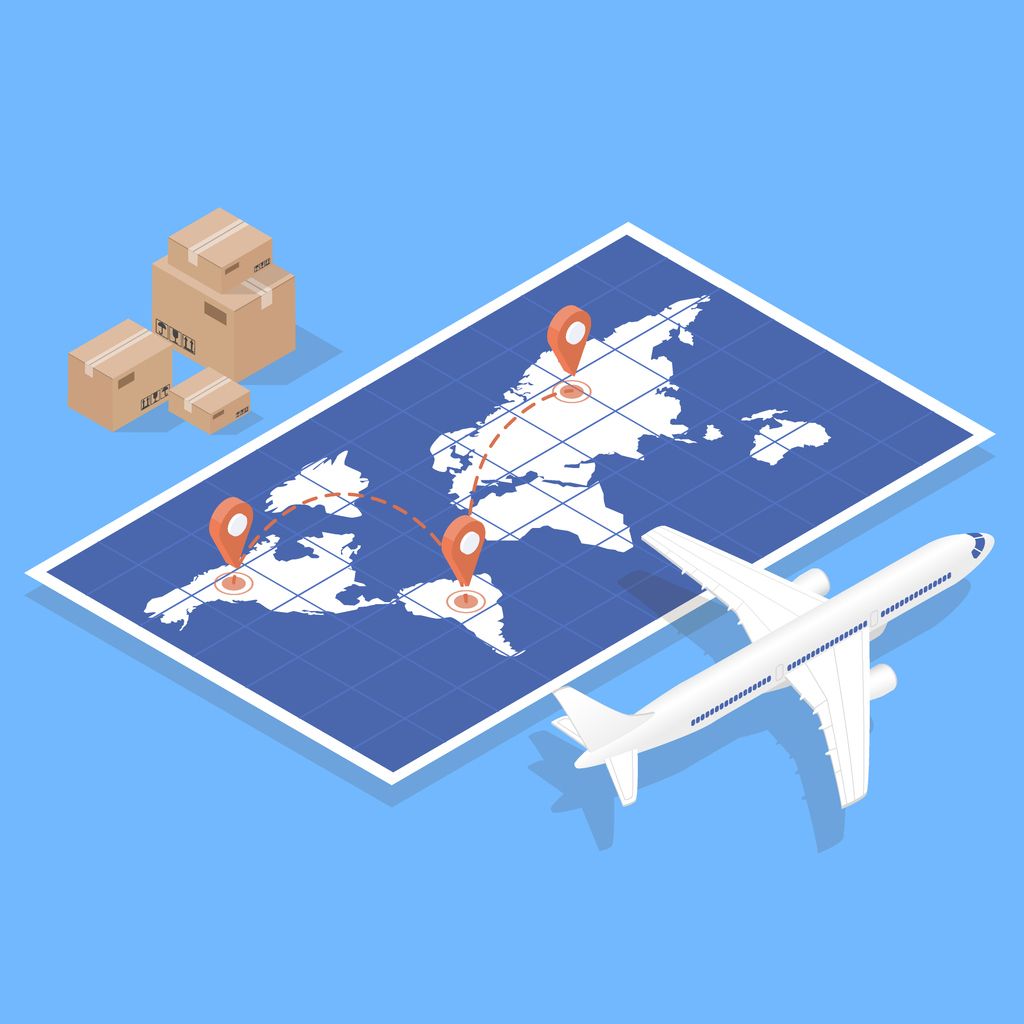
At its core, dropshipping with WooCommerce is a business model where you sell products through your online store without holding physical inventory. When a customer places an order, the supplier ships the product directly to the customer on your behalf.
Here’s how the typical process works:
● You import or list products in your WooCommerce store.
● A customer places an order and completes payment.
● The order details are forwarded to your supplier.
● The supplier prepares and ships the product.
● Tracking information is updated in your store.
While this sounds simple, the operational structure behind it can vary significantly.
In a basic woocommerce dropship setup, store owners manually forward orders to suppliers or rely on simple integration plugins. This works at low volume but quickly becomes inefficient as daily orders increase. Manual processing increases the risk of delays, inventory mismatches, and customer service issues.
In contrast, modern stores rely on structured automation—often powered by an automated order processing system—to handle order routing, tracking synchronization, and inventory updates in real time. This shift toward backend automation has become essential for stores that want to scale beyond product testing.
WooCommerce provides the flexibility and control. But the supplier determines how smoothly your operations run. That’s why choosing the right fulfillment partner is the most important decision you’ll make when building a WooCommerce dropshipping business in 2026.
Why Most WooCommerce Dropship Stores Fail
Despite the low barrier to entry, many woocommerce dropship stores never become profitable. The problem is rarely the website itself. In most cases, failure comes from operational weaknesses behind the scenes.

One common issue is relying on unstable suppliers. When product quality varies or inventory frequently goes out of stock, advertising campaigns become unpredictable. Paid traffic may generate orders, but inconsistent fulfillment leads to refunds, disputes, and negative reviews.
Another major challenge is the lack of ecommerce order automation. Many beginners start with manual workflows—copying order details, updating tracking numbers by hand, and checking stock manually. This might work with a few orders per day, but it becomes unsustainable as volume grows. Without structured automated order management, errors increase and customer service workload expands.
Shipping instability is also a hidden profit killer. Long processing times, delayed tracking updates, and unreliable logistics partners damage customer trust. In 2026, buyers expect fast confirmation and transparent tracking. Suppliers without a proper dropshipping order management workflow struggle to meet these expectations.
Finally, many stores fail because they focus only on product price instead of operational structure. Choosing the cheapest supplier often means sacrificing quality control, fulfillment consistency, and automation capabilities. What appears profitable at the unit level can collapse when scaled.
The reality is simple: WooCommerce itself is not the risk. A weak supply chain is. To build a sustainable business, store owners must evaluate suppliers based on automation, infrastructure, and long-term scalability—not just product cost.
Types of WooCommerce Dropshipping Suppliers (Strategic Comparison)
From our experience working with thousands of global sellers at BuckyDrop, choosing the right supplier model is never just about product access. It’s about automation level, scalability, and risk control. In 2026, the long-term success of dropshipping with WooCommerce depends heavily on backend infrastructure rather than just sourcing channels. Below is a strategic comparison of the four main supplier types we commonly see WooCommerce store owners use.
Supplier Model Comparison
Supplier Type | Automation Level | Branding Support | Profit Margin Potential | Scalability | Risk Level |
Marketplace-Based Suppliers | Low to Medium (plugin-dependent) | Very Limited | Low to Medium | Limited | High |
Print-on-Demand Suppliers | Medium | Strong (design-based) | Medium | Moderate | Medium |
Private China Dropshipping Agents | Medium to High | Strong | High | High | Medium (depends on vetting) |
Automated Fulfillment Platforms | High (integrated systems) | Strong | Medium to High | Very High | Low to Medium |
Key Takeaways
● Marketplace-based suppliers are easy to start with but often lack structured automation and inventory stability.
● Print-on-demand suppliers are ideal for niche branding but may face cost and production time limitations.

● Private agents supporting dropshipping from china offer higher margin potential and customization flexibility, but require careful evaluation.
● Automated fulfillment platforms provide structured automated order management and reliable dropshipping fulfillment services, making them more suitable for long-term scaling.
In 2026, the biggest operational difference between supplier types is automation. Stores that rely solely on manual WooCommerce dropship workflows often struggle to scale, while those using structured systems gain efficiency and stability.
Selecting the right supplier model should align with your growth strategy—not just your current order
Automation vs Manual WooCommerce Dropship Setup
One of the biggest differences between a struggling store and a scalable one lies in how orders are processed. In 2026, the gap between manual workflows and automation has become a major competitive factor.
Below is a simplified comparison:
️Manual WooCommerce Dropship Setup
This is the traditional beginner model.
How it works:
● Orders are forwarded manually to suppliers
● Inventory is checked manually
● Tracking numbers are updated by hand
● Customer issues are handled reactively
Limitations:
● High risk of human error
● Slow response time
● Poor inventory synchronization
● Difficult to scale beyond low order volume
Without structured systems, store owners often struggle with inconsistent fulfillment and weak dropshipping order management.
Automated WooCommerce Setup

This model relies on system integration and backend infrastructure.
How it works:
● Orders sync automatically with suppliers
● Inventory updates in real time
● Tracking information is pushed automatically
● Logistics routing is handled via an automated order processing system
Advantages:
● Supports true ecommerce order automation
● Enables structured automated order management
● Reduces operational errors
● Improves customer experience
For scaling stores, automation transforms basic auto dropshipping into a structured fulfillment workflow rather than a manual forwarding process.
Why Automation Matters in 2026
As advertising costs rise, operational inefficiency becomes more expensive. Manual processing might save small fees upfront, but it increases refund risk, delays, and customer dissatisfaction.
In competitive markets, the difference between profit and loss often comes down to backend efficiency—not front-end design.
For WooCommerce sellers aiming for long-term growth, automation is no longer optional. It is the foundation of a stable supply chain.
Best WooCommerce Dropshipping Plugins for Scaling Stores
As your store grows, choosing the right woocommerce dropshipping plugins becomes essential for improving efficiency and reducing manual work. While plugins cannot replace a strong supplier, they can streamline daily operations and support basic automation.
Here are some commonly used options in 2026:
● AliDropship
Designed for importing products from AliExpress, this plugin allows bulk product imports, pricing rules, and semi-automated order forwarding. Suitable for beginners testing products.
● WooCommerce Dropshipping Plugin (Official Extension)
Provides basic supplier management features, including order notifications and shipment tracking. Best for simple supplier setups.
● Spocket
Connects WooCommerce stores with US and EU suppliers. Offers automated inventory updates and faster shipping options compared to marketplace-based sourcing.
● Syncee
A product sourcing marketplace that supports automated imports and inventory synchronization across multiple suppliers.
● Wholesale2B
Integrates large supplier directories with WooCommerce and offers basic order automation features.
While these plugins improve workflow efficiency, they mainly handle front-end integration. True scalability depends on pairing WooCommerce with suppliers that provide structured backend systems and reliable fulfillment infrastructure.
How to Evaluate WooCommerce Dropshipping Suppliers in 2026
In 2026, evaluating a WooCommerce dropshipping supplier requires looking beyond product price. Focus on structure, automation, and long-term stability.
Here are the six key factors to assess:
Sourcing Transparency
● Where do the products come from?
● Do they support stable dropshipping from china channels?
● Are professional product sourcing tools used to maintain inventory consistency?
Fulfillment Infrastructure
● Is there a clear order processing workflow?
● Do they provide structured dropshipping fulfillment services?
● Are tracking updates reliable and timely?
Warehouse Capability
● Do they operate their own warehouse?
● Is quality inspection included?
● Can they consolidate or manage bulk orders?
Automation Depth
● Do they support full automated order management?
● Is there an internal automated order processing system?
● Can they handle scalable ecommerce order automation?
Branding Support

● Do they offer custom packaging?
● Can they support private label dropshipping?
Risk Diversification
● Are multiple logistics routes available?
● Do they have backup sourcing options?
● Can they maintain stability during peak seasons?
A strong supplier should operate as backend infrastructure—not just a product source. The more structured their system, the more scalable your WooCommerce store becomes.
Red Flags That Signal a Risky Supplier
Not all suppliers are built for long-term stability. Below are clear warning signs that indicate higher operational risk:
● No Real Warehouse
If a supplier cannot show proof of warehouse operations or inspection processes, they likely rely entirely on third parties—reducing quality control and delivery reliability.
● Fully Dependent on AliExpress
Suppliers who only forward orders from AliExpress without their own sourcing network offer little operational advantage. This often results in unstable inventory and inconsistent shipping times.
● No Automation Backend
If there is no structured system supporting automated order management, you will likely face delays, manual errors, and poor dropshipping order management as order volume increases.
● Unusually Low Pricing
Prices far below market average often signal hidden fees, poor quality control, or unstable sourcing. Low cost does not equal low risk.
● Lack of Logistics Transparency
Reliable suppliers provide clear shipping timelines, tracking updates, and multiple route options. If delivery processes are vague or inconsistent, expect customer disputes.
Best WooCommerce Dropshipping Supplier Option in 2026
Based on the evaluation criteria above—sourcing transparency, infrastructure depth, warehouse capability, automation, branding support, and risk diversification—stores need more than a basic supplier. They need a structured fulfillment partner.
Video Tutorial: How to Find Reliable Suppliers on Taobao?
If you want a more visual walkthrough of the filtering techniques mentioned above, check out this latest 2026 video tutorial:
The video demonstrates how to quickly check store ratings on Taobao, spot genuine customer reviews, and avoid common pitfalls with new sellers, making it ideal for beginners to get started visually.
One model that aligns closely with these standards is BuckyDrop.
Rather than relying solely on open marketplaces, BuckyDrop supports direct dropshipping from china through 1688 sourcing channels. This allows for more stable supply and better margin control compared to simple marketplace forwarding.
From an operational perspective, the platform provides automated order synchronization with WooCommerce. Orders, tracking updates, and inventory adjustments are handled through structured backend systems, supporting scalable automated order management rather than manual forwarding.
Warehouse inspection is another critical factor. Products are routed through warehouse checks before international shipment, helping reduce quality-related disputes and return rates.
For sellers aiming to move beyond generic products, branding options such as custom packaging and labeling support structured private label dropshipping strategies.
Finally, global shipping routes with tracking integration help reduce delivery uncertainty and improve customer transparency.
The key takeaway is not the platform name itself, but the model: suppliers that combine 1688 sourcing, automated syncing, warehouse inspection, branding capability, and global logistics infrastructure are structurally better positioned to support long-term WooCommerce growth.
Building a Scalable WooCommerce Dropshipping System
To scale successfully in 2026, you need to think in terms of system architecture—not just suppliers or plugins. A sustainable dropshipping with WooCommerce model is built on four structured layers:
Front-End: WooCommerce Store
This is your customer-facing layer:
● Website design
● Product pages
● Checkout flow
● Traffic and SEO
WooCommerce controls the buying experience, but it does not handle fulfillment stability.
Automation Layer
This connects your store to your supplier:
● Order synchronization
● Inventory updates
● Tracking automation
● Structured ecommerce order automation
With proper automated order management, your store can scale without manual bottlenecks.
Fulfillment Infrastructure
This is the operational backbone:
● Product sourcing
● Warehouse handling
● Quality inspection
● Global logistics
Reliable dropshipping fulfillment services ensure consistency in delivery and product quality.
Branding Layer
This layer supports long-term growth:
● Custom packaging
● Quality control standards
● Support for private label dropshipping
When these layers work together, your store moves beyond a basic WooCommerce dropship setup and becomes a scalable commerce system.
FAQs About WooCommerce Dropshipping Suppliers
Below are some common questions store owners ask when choosing a WooCommerce dropshipping partner in 2026.
● Is WooCommerce good for dropshipping?
Yes. WooCommerce offers full control over your store design, SEO, and customer data. However, success depends on pairing it with reliable suppliers and structured automation rather than relying on manual workflows.
● Do I need automation to scale?
Absolutely. Without proper automated order management, manual processing quickly becomes inefficient. Structured ecommerce order automation reduces errors and improves customer experience as order volume grows.
● Is dropshipping from China still reliable in 2026?
It can be, if managed correctly. Professional dropshipping from china partners with warehouse inspection and diversified logistics routes can offer strong margins and stable fulfillment. The key is vetting infrastructure—not just product cost.
● Are WooCommerce plugins enough to manage fulfillment?
Plugins help connect your store to suppliers, but they do not replace operational infrastructure. True scalability requires reliable dropshipping fulfillment services combined with automation systems.