1688 Dropshipping Guide: How to Source from China Without the Usual Headaches

1688 dropshipping is attractive for a simple reason: many online sellers want access to China’s domestic wholesale supply chain without building a full team in China. For Shopify, WooCommerce, and independent-store sellers, 1688 can open the door to broad product selection, factory-oriented pricing, and more sourcing flexibility than many standard dropshipping catalogs.
But there is also a real operational gap.
1688 is mainly built for China’s domestic buyers. Overseas sellers may run into Chinese-language listings, supplier communication problems, local payment barriers, minimum order quantities, quality-control uncertainty, domestic warehousing needs, and international shipping complexity. That means the opportunity is real, but the workflow needs to be handled carefully.
BuckyDrop is designed to help sellers bridge that gap. Its official service pages describe support for importing products from Chinese marketplaces including 1688, order fulfillment, warehousing, packaging, and international logistics. BuckyDrop also supports Shopify and WooCommerce workflows through store connection, product importing, order processing, and tracking updates.
Ready to source products from 1688 without managing supplier communication, purchasing, warehousing, and shipping by yourself?
Start with BuckyDrop and manage 1688 sourcing, order fulfillment, quality checks, packaging, and international shipping in one workflow.
What Is 1688 Dropshipping?
1688 dropshipping means sourcing products from 1688 suppliers and selling them through your online store without holding large amounts of stock yourself. When a customer places an order, the seller or their service partner arranges purchasing, receiving, inspection, packing, and shipping.
Unlike global wholesale platforms built for international buyers, 1688 is commonly associated with China domestic wholesale and factory-direct sourcing. That can make it appealing for sellers who want more product variety and potentially better sourcing costs. However, because the platform is domestic-market focused, it is not always simple for overseas sellers to use directly.
For a small Shopify store, 1688 might be useful for testing product ideas. For a WooCommerce seller, it may help expand a niche catalog. For an independent brand, it can support product discovery, private-label planning, or bundled product sourcing. The key is not just finding products. The key is building a repeatable operating workflow.
Why Sellers Look at 1688 for Product Sourcing
Many ecommerce sellers search for 1688 dropshipping because they want more control over sourcing than they get from generic dropshipping product feeds.
The main reasons include:
● Large product selection: 1688 covers a wide range of consumer goods, from fashion and home products to accessories, pet products, electronics, beauty items, packaging materials, and more.
● China domestic supply access: Sellers can search closer to the source of many products instead of relying only on export-facing listings.
● Product customization potential: Some sellers use China sourcing to explore branded packaging, private-label options, product bundles, and related value-added services.
● Better operational flexibility: Once a seller has a stable sourcing and fulfillment process, they may be able to test more products and respond faster to market demand.
Still, 1688 is not a magic shortcut. A low product price does not automatically mean a profitable dropshipping product. Sellers still need to calculate product cost, domestic shipping, fulfillment fees, packaging, international freight, return risk, advertising cost, and customer expectations.
That is why a practical 1688 dropshipping strategy should focus on total landed cost and operational reliability, not product price alone.
The Main Challenges of Dropshipping from 1688
1. Chinese-language listings and supplier communication

1688 listings are typically designed for Chinese buyers. Product titles, specifications, supplier terms, MOQ notes, and customer-service messages may be in Chinese. Automatic translation can help, but it may miss details such as material grades, product variants, sizing, packaging units, or supplier limitations.
For overseas sellers, this can lead to mistakes: choosing the wrong variant, misunderstanding a price tier, or failing to confirm whether a product is suitable for single-order fulfillment.
2. Payment and purchasing flow
Many 1688 suppliers expect domestic-style purchasing and payment flows. Overseas sellers may not have the right payment methods, China-based receiving address, or supplier communication process.
This is one reason many sellers look for a 1688 sourcing agent or dropshipping platform that can help with purchasing. BuckyDrop can help sellers order from 1688 and manage the related fulfillment workflow.
3. MOQ, stock, and supplier reliability checks
Not every 1688 supplier is suitable for dropshipping. Some suppliers prefer bulk orders. Some product pages show attractive pricing but require MOQ commitments. Some listings may have stock changes, variant changes, or inconsistent product details.
Before adding a 1688 product to your store, check:
● Whether single-piece purchasing is possible.
● Whether variants are clearly defined.
● Whether the supplier can consistently ship to a China warehouse.
● Whether the product has fragile, oversized, branded, restricted, or high-return-risk characteristics.
● Whether the total landed cost still leaves room for profit.
4. Quality inspection and packaging
When customers buy from your store, they hold your brand responsible, not the 1688 supplier. If the item arrives damaged, wrong, poorly packed, or visibly different from your product page, your store absorbs the customer-service problem.
BuckyDrop’s services page states that goods can be checked on arrival at its warehouse, with quantity and quality checks, optional inspection service, and professional parcel handling. This type of workflow can help sellers reduce avoidable errors before parcels are shipped internationally.
5. Warehousing, fulfillment, and international shipping
Direct international shipping from 1688 suppliers is not the usual workflow. Overseas sellers typically need a China receiving point, warehouse handling, parcel processing, shipping method selection, and tracking updates.
BuckyDrop’s official service information mentions warehousing, order fulfillment, and international logistics support. BuckyDrop also offers a shipping fee calculator page for estimating international shipping costs.
How BuckyDrop Helps Make 1688 Dropshipping More Practical
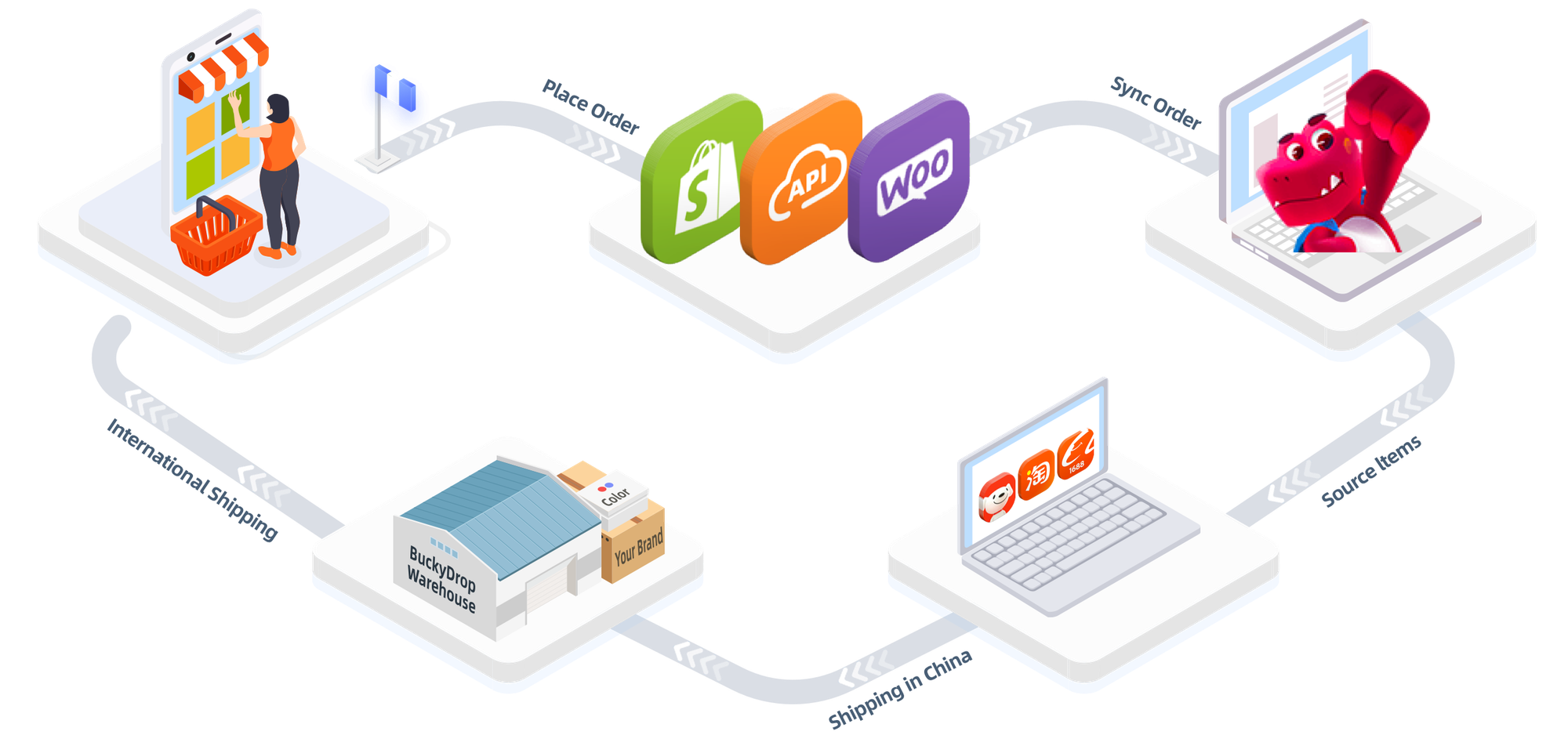
BuckyDrop works as a support layer between overseas sellers, Chinese marketplaces, and ecommerce stores. Based on its official pages, BuckyDrop supports sourcing from Chinese marketplaces including 1688, product importing, store connection, order sync, quality checks, warehousing, package processing, global shipping, and tracking updates.
For a seller, that means the workflow can move from scattered manual tasks into a more organized process:
1. Connect your store.
2. Find or import products from 1688 and other Chinese marketplaces.
3. Edit product information for your storefront.
4. Sync orders from Shopify or WooCommerce.
5. Let BuckyDrop assist with purchasing, receiving, inspection, packing, and shipping.
6. Track fulfillment and shipping updates.
BuckyDrop’s pricing page also states that 1688 and Taobao are standard sourcing platforms with no sourcing fee, while other service and fulfillment costs may apply. Sellers should always review the current pricing page before calculating margins.
Want to turn 1688 sourcing into a cleaner fulfillment workflow for your store?
With BuckyDrop, you can connect your Shopify or WooCommerce store, source from 1688, manage orders, check products, pack parcels, and arrange international shipping from one place.
1688 Dropshipping Workflow for Shopify, WooCommerce, and Independent Stores
Step 1: Choose a product with real demand

Do not start with the cheapest item. Start with a product that fits your audience, solves a clear problem, and can be shipped safely. For example, a pet accessories store may test lightweight grooming tools, collars, or travel accessories. A home organization store may test storage items with simple variants and low breakage risk.
Step 2: Check the 1688 listing carefully
Look at product variants, quantity tiers, supplier history, images, material details, MOQ notes, and domestic shipping terms. If the product has many variants, create a clear mapping between the 1688 SKU and your store SKU.
Step 3: Calculate total cost before publishing
A profitable 1688 dropshipping product should be evaluated using total landed cost:
Product cost + domestic shipping + purchasing/handling + inspection or value-added service + packaging + international shipping + payment or platform cost + advertising cost + expected refund/return allowance.
Step 4: Connect your store and import products
BuckyDrop’s beginner guide and plugin page describe store connection and product workflows for Shopify and WooCommerce, including product management, pushing products, order processing, and automation settings.
For Shopify sellers, this can help reduce manual work when testing new products. For WooCommerce sellers, it can help organize product sourcing and fulfillment instead of managing supplier links and order details in spreadsheets.
Step 5: Handle orders through a repeatable fulfillment process
Once orders begin coming in, the biggest risk is inconsistency. A repeatable workflow should cover product purchase, warehouse receiving, quality check, packing, shipping method selection, and tracking updates.
BuckyDrop’s how-it-works page describes a process where Shopify or WooCommerce orders sync to BuckyDrop, sourcing is arranged from Chinese marketplaces, items are checked and stored, packages are processed, and logistics tracking is synced back to the store.
Tips Before Choosing 1688 Products to Dropship
Avoid overly fragile products at the beginning. Breakage creates refunds, reshipments, and customer-service pressure.
Be careful with branded or trademark-sensitive goods. Do not assume a supplier has authorization to sell branded products. Verify rights before listing.
Prefer clear variants. Products with confusing sizes, colors, models, voltage types, plugs, or compatibility requirements are more likely to create mistakes.
Test packaging early. A product that looks profitable can become risky if packaging is weak or the item needs special protection.
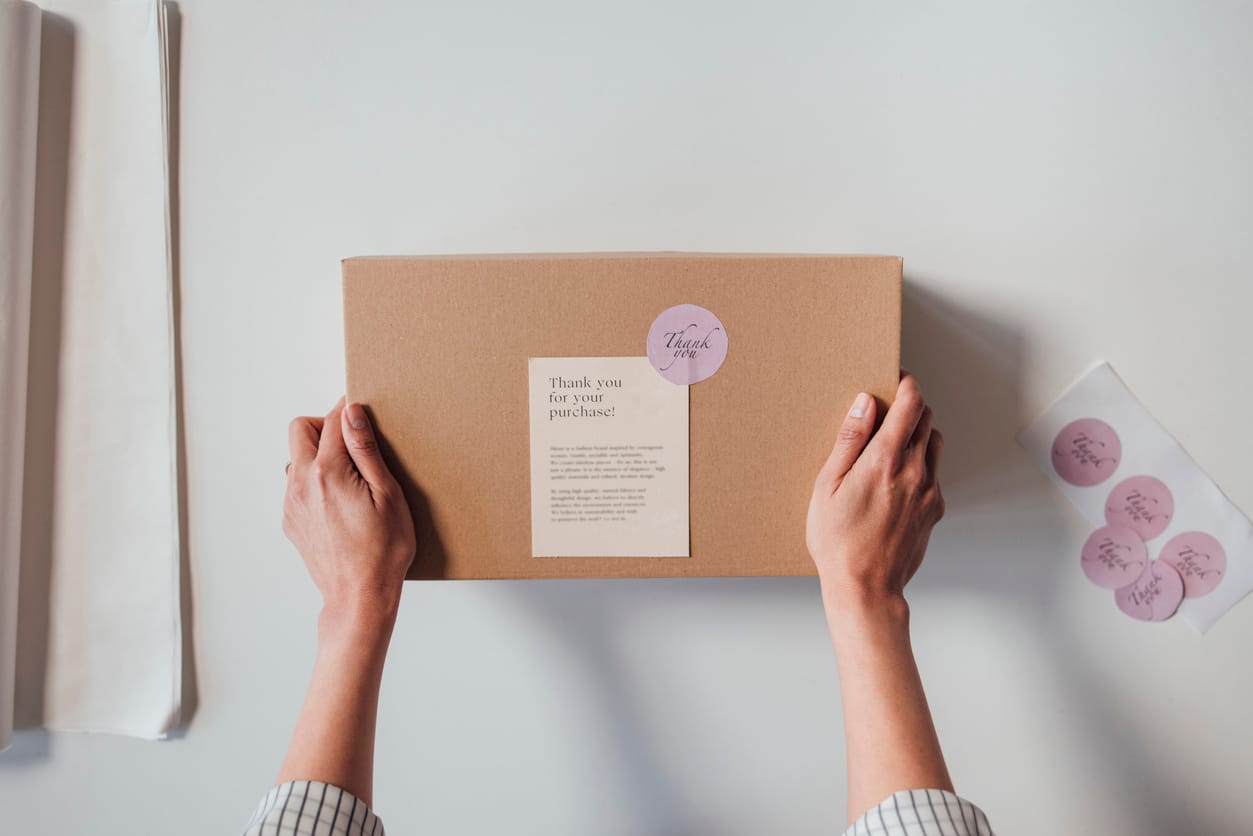
Calculate shipping before scaling ads. International freight can change product economics quickly, especially for bulky or heavy items.
Build a supplier backup plan. If one supplier runs out of stock, you need a way to find comparable alternatives without disrupting customer orders.
FAQ: 1688 Dropshipping
Can you dropship from 1688?
Yes, but most overseas sellers need help with the operational steps. 1688 is mainly designed for China domestic buyers, so sellers often need support for purchasing, supplier communication, quality checks, warehousing, and international shipping.
Is 1688 cheaper than AliExpress?
1688 is often associated with China domestic wholesale pricing, while AliExpress is built for international retail buyers. However, the cheapest product price is not the same as the best total cost. Sellers should calculate product cost, fees, packaging, shipping, returns, and customer-service risk before deciding.
Does 1688 ship internationally?
Many 1688 suppliers focus on domestic delivery inside China. Overseas sellers usually need a China warehouse or fulfillment partner to receive goods, inspect them, pack them, and ship internationally. BuckyDrop’s services include warehousing, fulfillment, and international logistics support.
Is 1688 dropshipping good for Shopify?
It can be useful for Shopify sellers who want more product variety and China sourcing flexibility. The challenge is building a stable workflow for product importing, order sync, purchasing, inspection, shipping, and tracking. BuckyDrop supports Shopify store connection, product importing, order processing, and tracking updates.
Can WooCommerce sellers use BuckyDrop for 1688 dropshipping?
Yes. BuckyDrop’s official materials describe Shopify and WooCommerce store connection and workflows, including product management and order processing.
Do I need to buy bulk inventory from 1688?
Not always, but it depends on the supplier and product. Some 1688 suppliers may support small orders, while others require MOQ or bulk purchasing. Sellers should confirm product availability, MOQ, and fulfillment suitability before listing products.
What is the biggest risk of 1688 dropshipping?
The biggest risk is not one single issue. It is the combination of unclear product information, supplier communication, payment friction, quality-control gaps, and shipping complexity. A structured sourcing and fulfillment workflow can help reduce these risks.
Conclusion
1688 dropshipping can give overseas sellers access to a wider China sourcing pool, but it works best when the operational process is clear. Finding a product is only the first step. Sellers also need purchasing support, supplier communication, quality checks, warehousing, packaging, international shipping, and store order management.
For Shopify, WooCommerce, and independent-store sellers, BuckyDrop can help turn 1688 sourcing into a more manageable workflow by supporting product importing, order fulfillment, warehousing, quality checks, and global shipping.
Ready to start 1688 dropshipping with a more organized sourcing and fulfillment workflow?
Create your BuckyDrop account, connect your store, and start sourcing products from 1688 for your next product test.
Scale Your Business Today
Visit our website: BuckyDrop | All-in-One Auto Dropshipping Platform
Get started for free now: Register with BuckyDrop
Add BuckyDrop to Shopify: BuckyDrop Shopify App