Taobao Return Policy for Dropshipping: Returns, Refunds, and Risk Control
A customer says the product is wrong. Your warehouse says the item arrived damaged. The Taobao seller says the return window is closing. These may sound like one problem, but they are three different return cases with different costs, evidence, and deadlines.
A workable taobao return policy for dropshipping must connect the supplier’s terms in China, the receiving and inspection process at the warehouse, and the policy you promise customers in the countries where you sell. If those layers are not aligned, the merchant often pays the difference.
This guide explains how Taobao returns and refunds fit into a cross-border workflow, what to verify before listing a product, and how to resolve more eligible problems before an item is shipped internationally.
See how BuckyDrop helps coordinate receiving, inspection, supplier returns, fulfillment, and order visibility before products ship overseas.
Quick Answer: There Is More Than One Return Policy
Taobao is a marketplace with many individual sellers and products. Return eligibility, evidence requirements, time limits, shipping responsibility, and exceptions can vary by seller, listing, product condition, and order status. Sellers should verify the current terms for the exact order instead of relying on a universal assumption.
A dropshipping store also has its own obligations to customers. Shopify’s guidance reminds merchants that they remain responsible for the products they sell and for applicable rules in the regions where they and their customers are located. Your storefront policy cannot simply say, “Our Taobao supplier refused the return.” The customer purchased from your store.
Core principle: Treat supplier recovery and customer resolution as related but separate decisions. You may need to refund or support a customer even when the upstream supplier does not reimburse you. |
The Three Return Layers in Taobao Dropshipping
1. Supplier-side return inside China
This is a return from the China warehouse or purchasing party back to the Taobao seller. It may apply when the supplier sent the wrong variant, the item is visibly damaged, the product does not match the agreed description, or an eligible return is requested within the seller’s current terms.
The advantage is location. If the item is still in China, domestic return freight and processing are usually more manageable than sending a customer parcel back across borders. The warehouse still needs approval, an address, evidence, and instructions before acting.
2. Warehouse exception before international shipping
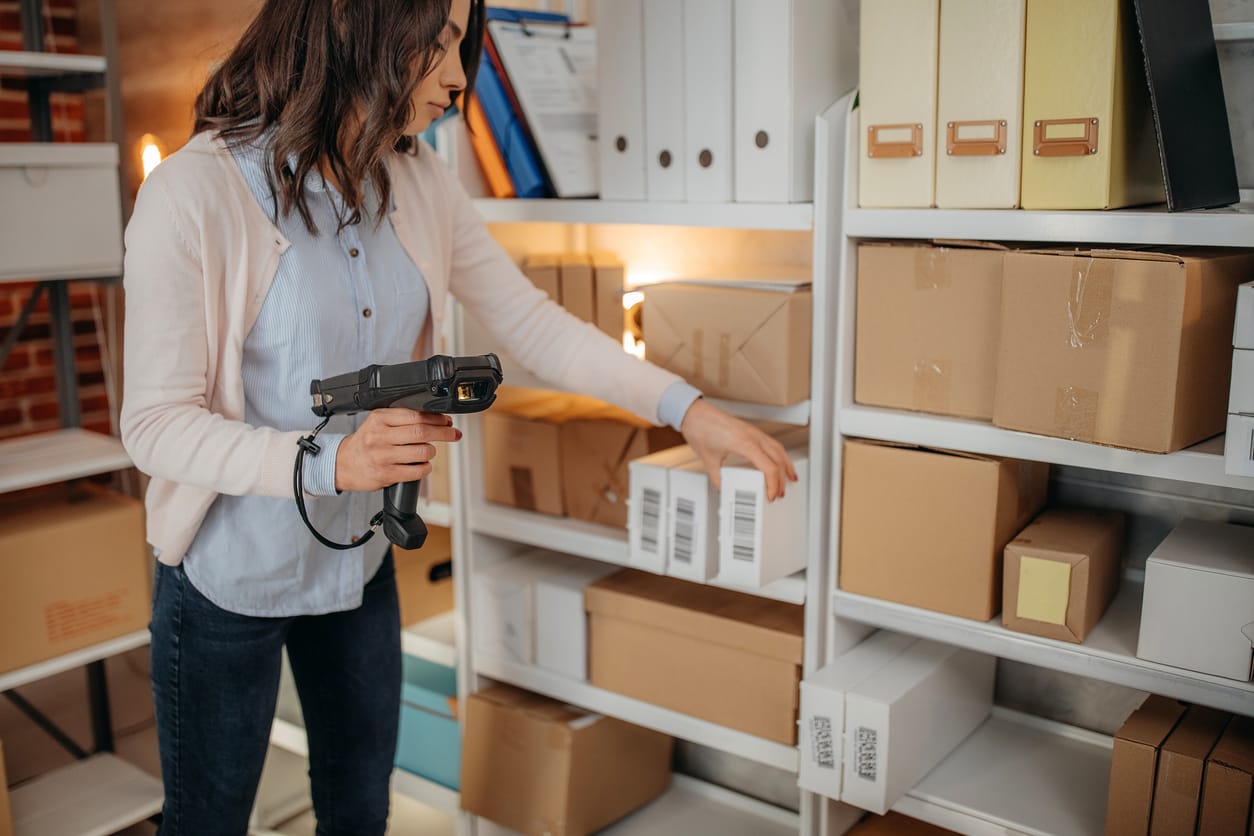
A warehouse exception begins when receiving or inspection identifies a problem. The item should be held rather than packed automatically while the seller decides whether to accept it, request more evidence, return it, exchange it, use it for another purpose, or ship it despite a documented minor issue.
This is not automatically a refund. It is a control point. The outcome depends on inspection scope, supplier eligibility, timing, available evidence, and the merchant’s decision rules.
3. Customer return after international delivery
Once the product has shipped overseas, the economics change. International return postage may exceed the product value, and the upstream Taobao return window may already have closed. The merchant may choose a local return address, replacement, partial refund, returnless refund, repair, store credit, or another resolution, subject to the store’s policy and applicable consumer rules.
This layer belongs to the merchant’s customer experience. Do not promise an overseas return path until you know where the item will go, who pays, how it will be inspected, and whether it has any recoverable value.
What to Verify Before Listing a Taobao Product

Returns are easiest to manage before the first sale. For each priority SKU, record the following information:
· The supplier’s current return and exchange terms for the exact product
· Any excluded categories, customized goods, opened products, hygiene-sensitive items, or condition requirements
· The clock that applies to an eligible return and when it starts
· Required photos, videos, labels, packaging, or courier evidence
· Who pays domestic China return shipping under each common reason
· Whether an exchange, replacement, partial refund, or full return is available
· The China warehouse’s receiving, inspection, hold, return, and disposal process
· Your customer-facing return destination, refund timing, exclusions, and support process
Save the source link, order number, SKU, supplier messages, and approved sample details. Screenshots alone can become stale, so the team should recheck high-volume products and any listing that changes.
How to Handle Taobao Returns: A Stage-by-Stage Workflow
Stage 1: Before the supplier ships
If the order is wrong, duplicated, no longer needed, or affected by a supplier message, request cancellation immediately. Do not assume cancellation is complete until the order status and funds reflect the accepted outcome. If purchasing is automated, define which changes require manual approval.
Stage 2: During domestic delivery in China
Track the supplier parcel to the receiving warehouse. If it is delayed, lost, or returned by the domestic carrier, keep that case separate from product-quality issues. Record the carrier status, supplier communication, and next action.
Stage 3: At warehouse receiving
Receiving should confirm the parcel and order identity. A rough warehouse check is not the same as a detailed product inspection. If a SKU carries meaningful defect, size, material, compatibility, or packaging risk, define a paid or instructed inspection standard where available.
Evidence should match the decision. A wrong color may need the SKU label and product in one photo. A functional complaint may require a specified test. A measurement problem needs the tool and measurement points visible. Vague evidence creates slow supplier disputes.
For this stage, BuckyDrop's quality inspection services can help sellers conduct more thorough checks upon warehouse arrival. To understand the complete closed-loop workflow from order synchronization to package processing, refer to how BuckyDrop works for specific operational details.
Stage 4: Decide before export
Use a simple decision rule:
1. Is the item acceptable under the approved specification?
2. If not, is the issue eligible for supplier return, exchange, or refund?
3. Is the likely recovery worth the domestic freight, handling, delay, and support effort?
4. Should the customer order wait, use a replacement source, split, cancel, or ship with approval?
The right answer can differ by product value and customer promise. The important part is to decide while the item is still in the least expensive part of the return path.
Stage 5: After international shipment

When a customer reports a problem, collect the order number, product, variant, issue type, delivery date, photos or video where appropriate, packaging condition, and requested resolution. Do not make the customer navigate your supplier dispute.
Then choose the customer resolution and separately pursue any supplier, warehouse, or carrier recovery that remains available. Keep the two records linked so the business can measure the true cost by supplier and SKU.
Review how BuckyDrop tracks purchasing, warehouse receiving, inspection instructions, returns and refunds, package status, and fulfillment in one operational flow.
Who Pays for a Return or Refund?
There is no universal answer. Cost responsibility can depend on the reason, evidence, supplier terms, store policy, applicable consumer rules, carrier outcome, and whether an operational partner made an error. Build a responsibility matrix before problems occur.
Case | Planning Approach |
Supplier sent wrong item | Seek supplier-side return or exchange where eligible; merchant still manages the customer promise. |
Warehouse finds visible defect | Hold and document the item; decide whether supplier recovery or replacement is practical before export. |
Merchant mapped wrong SKU | Treat as an internal process error; correct the customer and fix the mapping. |
Carrier damage or loss | Use the carrier or shipping-claim process if the route and evidence qualify. |
Customer changed mind | Follow the store’s published policy and applicable rules; upstream supplier recovery may be unavailable. |
Product not as described | Resolve the customer case promptly, preserve evidence, and pursue upstream recovery separately. |
Include a return reserve in product economics. A product with a low supplier price can become expensive if it creates repeated refunds, reshipments, international returns, or support time.
Build a Customer-Facing Dropshipping Return Policy
A clear policy should be easy to find and written for customers, not suppliers. It should cover:
· The return or cancellation window and when it begins
· Eligible and excluded products, including any final-sale categories
· Required condition, packaging, and proof
· How the customer starts a request and when support responds
· Where approved returns are sent
· Who pays return shipping and whether any fees may apply
· When refunds are issued and the payment method used
· How damaged, wrong, missing, delayed, or not-as-described orders are handled
· Different rules by market when required
Shopify currently lets merchants configure return windows, return shipping costs, restocking fees, final-sale items, and market-specific rules. Those settings do not replace legal review. Confirm the current requirements for every market in which you sell, especially where mandatory withdrawal or consumer rights apply.
Policy writing note: Avoid copying a generic template without adapting the destination, cost rules, product exclusions, and actual fulfillment workflow. This article is operational guidance, not legal advice. |
Shopify, WooCommerce, and Independent-Store Setup
Shopify
Align written policy, configured return rules, self-serve return settings if used, customer notifications, and internal support actions. Test a complete case from request to refund. Link the store order to any supplier, warehouse, or carrier claim without exposing backend complexity to the customer.
WooCommerce
Document which plugin or support workflow creates requests, approves returns, issues labels, changes order status, and triggers refunds. Test compatibility after checkout, payment, order-management, or fulfillment integration changes.
Independent stores
Define a case model that records order, SKU, reason, evidence, responsible party, customer resolution, upstream recovery, dates, and total cost. A shared reason-code system is more useful than free-text notes when you need to find repeated supplier or product problems.
How BuckyDrop Supports Pre-Export Resolution
Sellers can track purchased-product return and exchange cases under "Return and Exchange Records." The BuckyDrop How It Works page also introduces warehouse receiving, inspection services, package processing, and Shopify or WooCommerce order synchronization.
That combination can help sellers create a more controlled process:
· Keep the source order and ecommerce order connected
· See when the supplier parcel reaches the China warehouse
· Request an appropriate inspection service for important SKUs
· Hold exceptions before export and track supplier return, exchange, or refund progress
· Route a replacement through fulfillment and return tracking to the store
The service boundary still matters. BuckyDrop’s services page distinguishes a rough quantity and quality examination on arrival from a more thorough instructed inspection with defect notification and photos. Sellers should confirm current inspection, return, service-fee, evidence, and automation settings before scaling.
No fulfillment platform can guarantee that a supplier will accept a return or that every defect will be detected. The value is a clearer operational handoff and a chance to resolve eligible issues while the goods are still in China.
A Return-Readiness Checklist Before Scaling
1. Verify the supplier terms for the exact product and order.
2. Approve a sample and define measurable failure criteria.
3. Choose the receiving and inspection level by product risk.
4. Set hold, approval, return, exchange, and replacement rules.
5. Publish a customer-facing policy that matches the real workflow.
6. Test one supplier-side case and one customer-side case internally.
7. Track refund causes and cost by supplier and SKU; review the policy when the supplier, market, or route changes.
Frequently Asked Questions
Can you return items purchased on Taobao?
Some items may be eligible for return or exchange, but the current terms can vary by seller, listing, product condition, reason, and timing. Check the exact order and obtain approval before a warehouse sends anything back.
How do Taobao refunds work through a dropshipping agent?
The agent or fulfillment partner may help submit evidence, return the item to the seller in China, and track the supplier-side case. The process, cost, evidence, and eligibility depend on the order and service terms. This is separate from the refund you may owe your customer.
What happens if a product fails warehouse inspection?
The item should be held under your instructions while you review evidence and choose a return, exchange, replacement, acceptance, or other action. Confirm whether the inspection was rough receiving or a detailed service and whether the supplier will accept the case.
Who pays return shipping for a Taobao order?
It depends on the reason, seller terms, evidence, and agreement. Record the decision before dispatching the return. For customer returns, follow the store policy and applicable market rules rather than assuming the Taobao seller will pay.
Should customers return products directly to China?
Not automatically. International return postage, customs, tracking, and recovery value may make that impractical. Use only a return address and process that your business has approved and disclosed.
Can I offer returnless refunds?
A merchant may choose a refund without requiring a physical return when appropriate, but the decision should follow the store policy, fraud controls, product value, customer circumstances, and applicable rules.
How long do Taobao refunds take?
Do not publish a universal timeframe. Supplier approval, domestic return delivery, inspection, marketplace processing, agent handling, and payment settlement can all affect timing. Verify the current case and communicate a qualified estimate.
Does BuckyDrop handle returns and refunds?
Yes, BuckyDrop provides a comprehensive system to manage returns and refunds, allowing sellers to track all return and exchange cases directly within the dedicated "Return and Exchange Records" module. To ensure smooth business operations, BuckyDrop has established a professional workflow that covers clear eligibility criteria, detailed processing instructions, and a transparent fee structure, all integrated with automation tools to provide real-time updates.
Resolve Problems at the Earliest Practical Stage
The strongest taobao return policy is not a single paragraph copied into a storefront. It is a connected operating system: verified supplier terms, clear warehouse instructions, fit-for-purpose inspection, a realistic customer policy, documented evidence, and cost ownership for each stage.
Resolve eligible problems before export whenever practical. When a customer case does occur, handle the customer promise first and pursue upstream recovery separately. That approach protects trust while giving the business better data on which suppliers, SKUs, and workflows deserve to scale.
Build a more controlled Taobao returns and fulfillment workflow with BuckyDrop.