Dropshipping Order Management: How to Automate Ecommerce Fulfillment Without Losing Control
Learn how dropshipping order management connects order sync, supplier purchasing, inventory updates, fulfillment tracking, and exception handling to scale ecommerce operations.

With U.S. e-commerce sales hitting a staggering $316 billion in late 2025, the opportunity for digital brands has never been larger—yet the 'failure to scale' rate remains high. Most sellers don't hit a wall because demand disappears; they hit it because their backend architecture collapses under its own weight. When inventory goes out of sync and one delayed reply triggers a chain reaction of support tickets and refund risks, your growth has officially become a liability. To survive the 2026 landscape, sellers must transition from 'manual importing' to 'automated systems' that treat fulfillment as a data-driven science rather than a daily chore.
What Dropshipping Order Management Means in Real Operations?
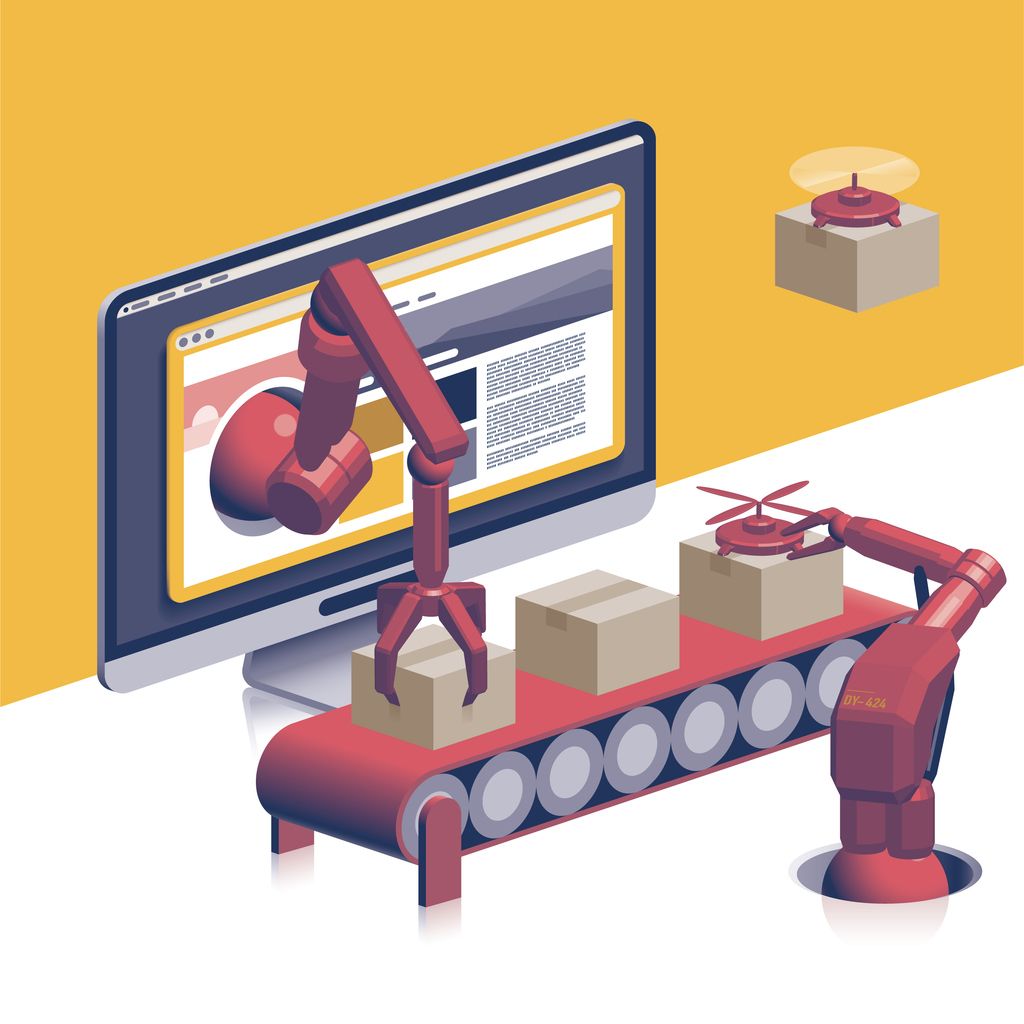
A lot of sellers hear “automation” and picture orders flowing in without anyone touching them. That is only part of the story.
In practice, automated order management means the order does not stop at import. It moves through a connected workflow: store sync, purchasing, inventory updates, fulfillment tracking, and exception handling. Shopify’s own inventory and order tools are built around that same logic: track stock, support purchase orders and transfers, and keep order-related inventory activity visible in one place. [Shopify Inventory Management]
That distinction matters. Why? Because many stores are not failing at getting orders. They are failing at handling what happens after the sale.
A large-SKU seller using BuckyDrop is a good example. They automated order syncing, purchasing, and inventory updates, which helped reduce out-of-stock issues and made daily order handling much more stable. That is the kind of benefit operators actually care about. Not “smart workflows.” Stability.
And stability gets more important as complexity rises. One or two products? Manual handling is annoying but survivable. A few hundred SKUs, supplier changes, and daily order spikes? Manual handling becomes like trying to direct airport traffic with sticky notes.
That is why order fulfillment automation works best when it behaves like an operations backbone, not a one-click gimmick.
Why Dropshipping Order Management Breaks Down at Scale
Let’s make this practical. What does a seller actually gain when the system is set up correctly?
1. Fewer inventory mismatches
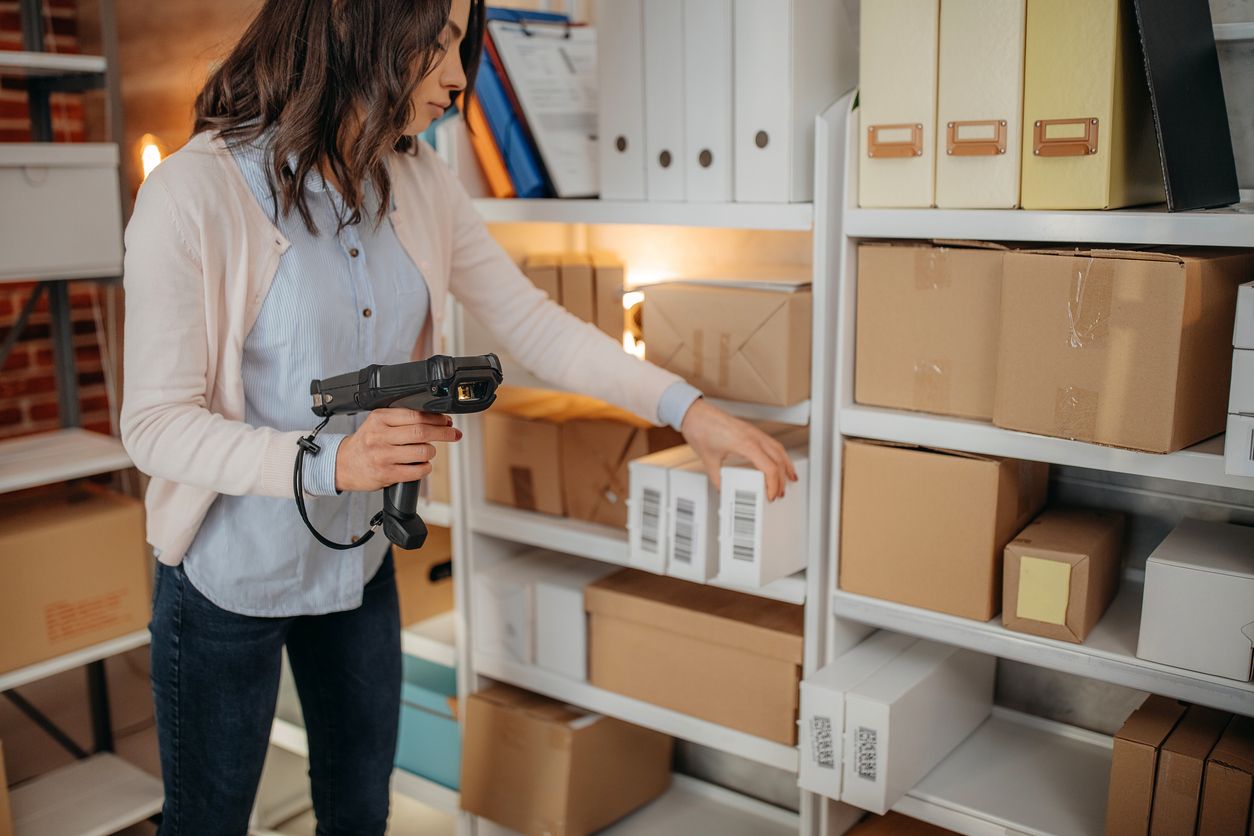
Inventory drift is one of the most expensive “small” problems in ecommerce. A product looks available. The buyer pays. Then someone finds out stock is gone or the variant is wrong. Now the team is apologizing, refunding, or looking for an alternative after the promise has already been made.
That is exactly why the first BuckyDrop case matters. The seller was not just saving time. They were using automation to reduce out-of-stock issues. For a large-SKU store, that is not a nice extra. It is operational damage control.
2. Less repetitive purchasing work
This is where many stores underestimate the workload. Importing orders is easy to talk about. Reconfirming supplier details, forwarding orders, matching SKUs, and checking purchase status every day? That is the real drain.
One merchant used BuckyDrop to automatically process incoming Shopify orders and coordinate fulfillment from Chinese suppliers, which reduced repetitive manual work and improved backend efficiency. That is the kind of improvement sellers feel immediately. Fewer copy-paste tasks. Fewer follow-up messages. Fewer moments where a team member becomes the “human API” between systems.
3. Better visibility across the order lifecycle
When order data lives in Shopify, purchasing happens in chat, inventory is checked in a spreadsheet, and tracking sits in a separate dashboard, you do not have a workflow. You have fragments.
A seller using BuckyDrop to automate bulk order handling, backend inventory management, and fulfillment tracking was able to scale operations without increasing manual workload. That is the real test. Can the workflow absorb more volume without demanding more headcount for the same repetitive tasks?
That question matters even more because customer tolerance is not infinite. McKinsey reports that more than 90% of U.S. online shoppers expect free two- to three-day shipping, and when delivery windows feel too long, many shoppers will go elsewhere. [McKinsey]
So yes, backend efficiency matters. But it matters because the customer experience sits on top of it.
Why this matters even more in cross-border dropshipping?
Cross-border ecommerce has a funny way of making weak systems look fine at first.
At low volume, the gaps are hidden. You can manually message suppliers. You can fix a wrong variant. You can check inventory one more time. You can explain delays case by case.
But once order volume increases, those little manual fixes start stacking up like boxes in a narrow hallway. Eventually nobody can move.
This is where dropshipping fulfillment services, product sourcing tools, and China fulfillment coordination stop being separate topics. In real operations, they are connected.
A cross-border store used BuckyDrop to manage sourcing, quality checks, and order fulfillment in one workflow. That reduced follow-up time and improved order-processing accuracy. Notice what stands out there: one workflow. Not “more features.” One workflow.
That matters because sourcing from China is not just about price. Plenty of sellers can find a cheap supplier. The hard part is turning supplier access into repeatable fulfillment. If your sourcing is disconnected from your order flow, you do not really have a scalable system. You have a procurement shortcut that still needs a lot of manual supervision.
This is why I would not describe the best setup as “automated dropshipping” in a vague sense. I would describe it as structured coordination between store orders, purchasing, supplier execution, and shipment visibility. That is what sellers actually need when they talk about fulfillment dropshipping or dropship fulfillment services.
How to Choose Software for Dropshipping Order Management?
A lot of tools look impressive in a feature list. That is not the same as being useful in a live operation.
So what should the best dropshipping software actually do?
First, it should automatically sync orders from the store into the backend workflow. Obvious? Yes. But still essential.
Second, it should connect that order to purchasing, not just display it. There is a huge difference between “we imported the order” and “the order has actually moved into execution.”
Third, it should keep inventory and fulfillment status visible enough that the team can make decisions without checking five systems.
Fourth, it should support bulk order handling. If the tool only feels smooth at low volume, it is not solving the real scaling problem.
Fifth, it should leave room for human review where human review still matters.
That last point is important. A good system does not try to eliminate all human judgment. It removes repetitive labor so your team can focus on exceptions, accuracy, and risk control.
BuckyDrop is competitive here because the case studies do not just point to “automation” in the abstract. They point to operational outcomes that matter to store operators: order syncing, supplier coordination, inventory updates, quality checks, bulk handling, and fulfillment tracking inside one working flow. In other words, it is not just being positioned as a dropshiptool. It is being positioned as a workflow system.
That distinction is why some software gets used for demos while other software gets used for daily operations.
Automation does not remove the need for judgment
This part matters, especially if you want the article to sound credible.
Automation helps. It does not make setup mistakes disappear.
One merchant found that product image and SKU synchronization still needed manual review. That is a valuable reverse case because it reflects how real operations work. Even with a solid automated order management system, sellers still need to verify listing details and variant mapping before scaling aggressively.
Think of it like using cruise control. It reduces fatigue on a long drive, but you still need to keep your eyes on the road.
In ecommerce terms, that means you automate repetition and verify exceptions.
That is especially important for stores with multiple variants, supplier substitutions, or fast catalog expansion. One SKU mismatch at low volume is annoying. One SKU mismatch after a traffic push can turn into a wave of incorrect shipments, support tickets, and margin loss.
So no, automated order fulfillment should not be sold as “hands-free ecommerce.” That sounds good in ads, but experienced operators know better. The real value is that the system handles the routine steps reliably enough that the team can spend its time reviewing the risky ones.
Why the customer experience side cannot be ignored?

This is where operations and marketing finally meet.
Many sellers think fulfillment is a backend issue. Customers do not see the backend, so how much can it matter?
A lot.
PwC’s 2025 customer experience survey found that 52% of consumers stopped using or buying from a brand because of a bad experience with its products or services, and 29% stopped because of poor customer experience, whether online or in person. [PwC]
That is the thing about fulfillment problems. Customers do not separate them neatly. They do not say, “The marketing was good but the supply chain coordination was weak.” They say, “This store was unreliable.”
That is why dropship services and order fulfillment automation should be evaluated as customer experience infrastructure, not just operational tooling. A delayed shipment, wrong variant, poor tracking update, or out-of-stock cancellation is not just a process miss. It chips away at trust.
And trust is expensive to rebuild.
Pitfall-avoidance checklist: how to evaluate dropshipping fulfillment services before you commit
If you are comparing tools or partners, here is the practical checklist I would use.
1. Does it sync store orders automatically?
If orders still need manual importing or manual relaying, the workflow is already leaking time.
2. Does it connect to purchasing, not just display order data?
Seeing an order is not the same as executing it.
3. Does it keep inventory updated well enough to reduce out-of-stock risk?
This is especially critical for large-SKU stores.
4. Can it coordinate fulfillment tracking in one place?
If tracking visibility is fragmented, support work increases.
5. Can it handle bulk orders without multiplying manual effort?
If volume growth forces you to hire people just to keep up with repetitive tasks, the system is not doing enough.
6. Does it support sourcing and quality-check workflows, not just shipment status?
For cross-border sellers, procurement and fulfillment are linked.
7. Does it allow manual verification where needed?
The reverse case on SKU and image syncing makes this non-negotiable.
That is also where BuckyDrop’s competitiveness is easier to explain naturally. The cases show strength across order sync, purchasing, sourcing, quality checks, inventory updates, and tracking. That mix is more compelling than a generic claim about being “all in one.”
Who benefits most from automated order management?
Not every store needs the same level of systemization on day one. But some business models feel the pain faster than others.
Large-SKU stores benefit early because inventory drift and variant errors grow fast as the catalog expands.
Shopify sellers scaling paid traffic benefit because ad spend exposes backend weaknesses. Driving more demand into a fragile order workflow is like pouring more water into a leaking pipe.
Cross-border teams benefit because supplier coordination, sourcing, quality checks, and shipment handoffs add more moving parts than a domestic setup.
Small teams benefit because automation protects margins. Instead of hiring earlier just to keep up with repetitive admin, they can push more of that work into the system and keep human attention on exceptions.
That is exactly what showed up in the BuckyDrop cases. The value was not just “automation.” It was the ability to make daily order handling more stable, reduce manual follow-up, improve accuracy, and support scale without matching that growth with the same increase in manual workload.
FAQ
What is dropshipping order management?
It is a system that connects store orders to the next operational steps, such as purchasing, inventory updates, fulfillment progress, and tracking, instead of leaving those steps to manual follow-up. [Shopify]
How is automated order fulfillment different from basic order syncing?
Basic syncing only pulls the order into a system. Automated fulfillment should help move that order through execution, including supplier coordination, status visibility, and inventory updates.
Why do dropshipping stores need order fulfillment automation?
Because manual handling becomes unstable as SKU count, supplier complexity, and order volume rise. The cost shows up in delays, errors, and more support work.
Can automated systems help manage suppliers in China?
Yes, when the system connects sourcing, purchasing, and fulfillment into one workflow rather than treating them as separate tasks.
What should I look for in the best dropshipping software?
Look for order sync, purchasing support, inventory visibility, fulfillment tracking, bulk handling, and room for manual exception review.
Do product sourcing tools reduce out-of-stock problems?
They can help when they are connected to inventory updates and supplier coordination rather than used as stand-alone research tools.
Can automated order management handle bulk orders?
It should. If the system cannot handle volume spikes without a big jump in manual work, it is not solving the real operational problem.
Does automation remove the need for manual review completely?
No. SKU mapping, images, variants, and listing accuracy still need human verification in many cases.
Why does fulfillment affect customer retention so much?
Because shoppers judge the brand through the delivery experience. Speed, reliability, and consistency all shape whether they trust the store enough to buy again. [McKinsey] [PwC]
When is a store ready for automated order management?
Usually when manual order forwarding, supplier follow-up, inventory mismatches, or fulfillment visibility are already slowing the team down.
Conclusion
Automated order management is not really about doing less work.
It is about doing the right work.
The repetitive parts of the workflow—order syncing, purchasing handoff, inventory updates, tracking visibility—should be handled by the system wherever possible. The judgment-heavy parts—SKU checks, exception handling, listing accuracy, supplier issues—should stay visible to the team. That is the balance that makes auto dropshipping or automated order fulfillment sustainable instead of messy.
If your store is growing but your backend still depends on manual forwarding, scattered supplier communication, and patchwork tracking, the problem is probably not effort. It is structure.
That is why solutions like BuckyDrop are worth considering. Its competitiveness is not just that it automates tasks. It is that the case studies point to something more useful: a connected workflow for sourcing, purchasing, inventory, quality checks, and fulfillment that helps stores scale without turning operations into a bottleneck.
If you are building a store that needs more than product import speed—if you need real coordination between sourcing and fulfillment—it makes sense to work with a partner that can help design that workflow properly from the start.