How B2C sellers use automated order management to save time?
Save time scaling B2C sales with automated order management.

You didn't start an e-commerce business to become a data-entry clerk.
Think back to why you launched your brand. You wanted to build unique product lines, craft compelling marketing campaigns, decode consumer behavior, and scale a profitable enterprise. Yet, if you are like most independent B2C merchants, a massive portion of your week isn't spent on growth strategy. It is devoured by administrative maintenance.
You find yourself logging into your storefront dashboard, hunting down unfulfilled invoices, copy-pasting customer delivery details into supplier forms, and manually checking tracking strings. It feels productive because your hands are moving, but it is an illusion.
This operational friction is an invisible ceiling on your company's growth. According to an enterprise study by McKinsey & Company, up to 60% of all occupations could save at least 30% of their time by automating repetitive, rule-based processes. In the fast-moving retail market, spending 30% of your day typing names and addresses into spreadsheets isn't just inefficient—it is an operational liability. (Source: https://www.mckinsey.com/)
To scale past a handful of daily sales without burning out, you must fundamentally change your relation to operations. Successful B2C operators shift from manual task execution to high-leverage oversight by deploying comprehensive dropshipping order management architectures. Here is exactly how they do it, why it protects their bottom line, and how you can apply these tactics to reclaim your time.
The Anatomy of the Time Leak: Why Manual Tracking Fails
To understand how software recovers your calendar, you first need to look closely at the math behind manual tracking. Many merchants treat their own labor as a free asset. They assume that handling logistics themselves saves money on subscription costs.
Let's calculate the real operational cost of a single manual transaction:
[Copy Address: 60s] ➔ [Submit to Supplier: 90s] ➔ [Process Payment: 45s] ➔ [Sync Tracking: 60s] = 4.25 Minutes Per Order
A single order requires about four to five minutes of uninterrupted, focused labor. When you are processing four orders a day, that represents twenty minutes of work—completely manageable.
But what happens when your marketing campaigns succeed? If your store scales to 100 orders a day, that four-minute task turns into over seven hours of pure data entry every single day.
You no longer have a strategic business; you have a demanding, manual processing job. This structural problem is what operational experts call administrative drag. Research published by the Harvard Business Review highlights that high levels of administrative drag reduce overall organizational agility and pull leadership away from core value creation. (Source: https://hbr.org/)
Worse, this manual data entry introduces a high risk of human error. A single mistyped digit in a German postal code or a mixed-up apartment number in New York results in an undeliverable package.
By the time the package is flagged, your customer is frustrated, your team is bogged down in support tickets, and your margin is swallowed up by return freight fees and chargeback penalties. Automated systems solve this issue by removing the human element from data transfers entirely.
3 Pillars of Automated Time-Saving
Modern automated order fulfillment changes your daily workflow by handling repetitive data transfers instantly. Instead of reviewing every transaction line-by-line, you establish automated systems that allow data to flow directly between your store front-end and your supply network.
[Inbound B2C Purchase] ➔ [Instant Webhook Sync] ➔ [Automated Supplier Routing] ➔ [Hands-Free Fulfillment]
1. Instantaneous Data Routing via API Webhooks
Manual store management requires you to act as a bridge between separate software applications. You have to download order reports from your sales channels and upload them to your fulfillment center.
Deploying advanced dropshipping software removes this manual middle step. The system uses secure API webhooks to monitor your storefront continuously.
The moment a customer completes a purchase, the system captures the transaction details instantly. The exact variant, color choice, and shipping details transfer directly to your supply network without requiring a single click from your team.
2. Live Inventory and Price Calibration
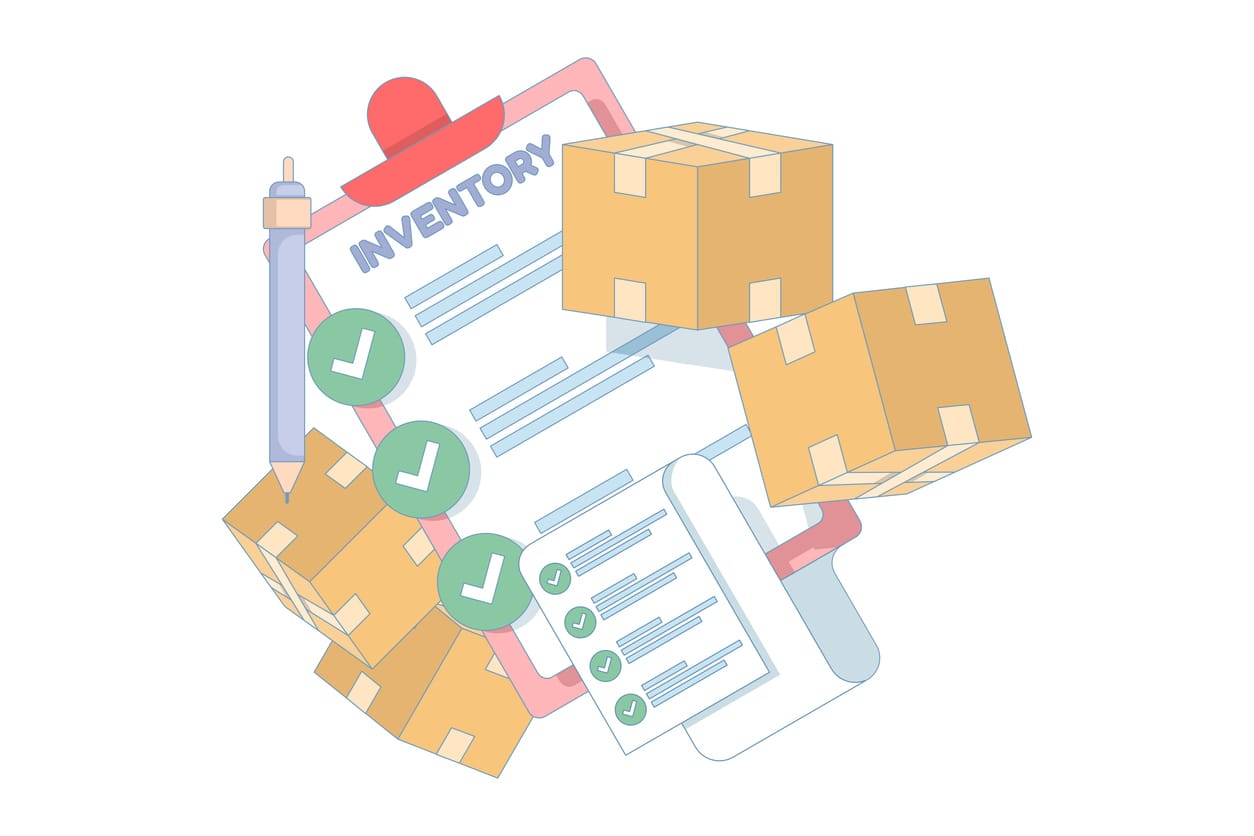
Managing inventory across separate platforms is a constant challenge for cross-border sellers. If a manufacturing supplier runs out of raw materials or updates their wholesale price, you face immediate issues if your store doesn't reflect that change. You end up selling out-of-stock items or losing margin on underpriced goods.
Enterprise-grade drop shipping software removes this risk through automated asset monitoring. The application stays synchronized with warehouse inventory databases.
If stock levels drop below a set number, your storefront updates instantly. This automated oversight keeps your store running smoothly, preventing unfulfillable sales and protecting your brand reputation.
Warehouse Stock Drops ➔ Direct API Update ➔ Storefront Inventory Adjusts Instantly ➔ Zero Out-of-Stock Sales
3. Automated Route Selection and Tracking Updates
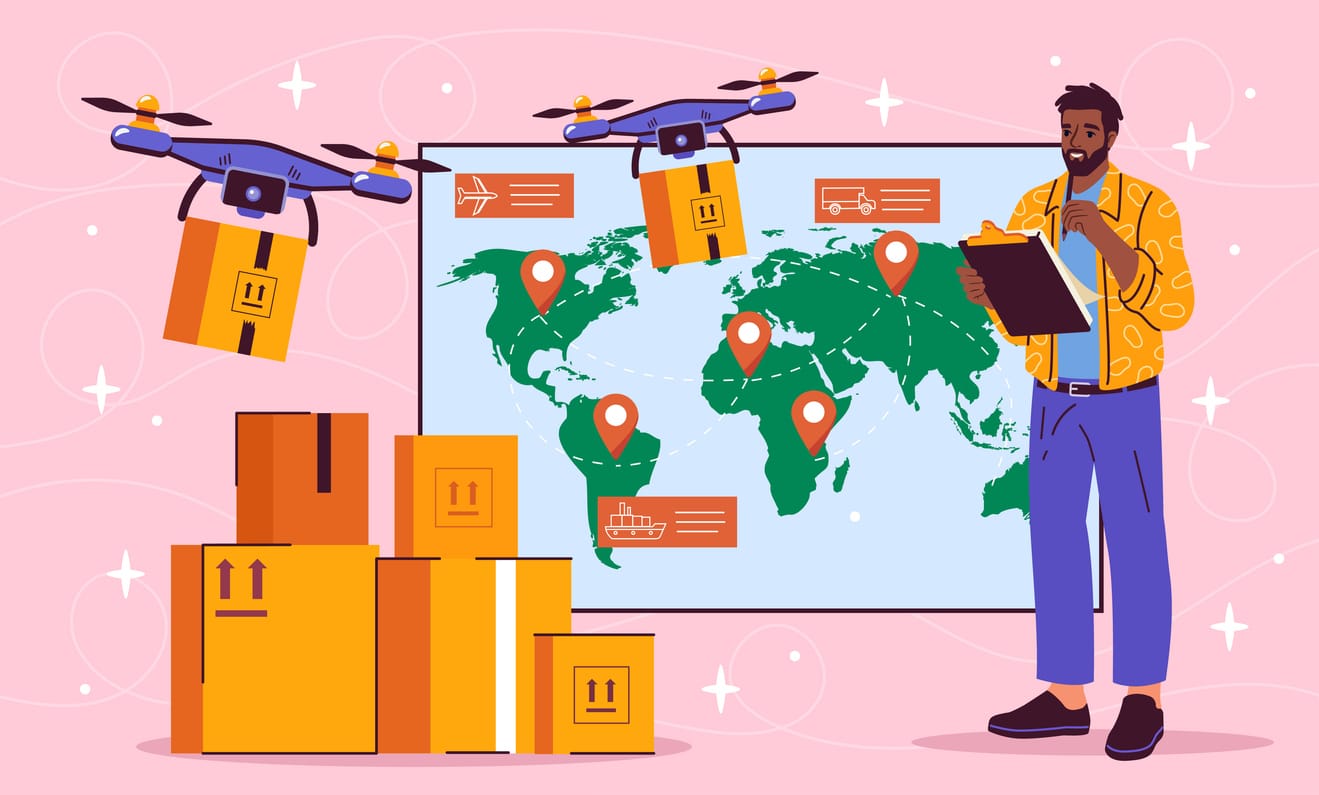
Once a package is packed, the manual workload usually continues. You have to wait for the tracking code, copy it, and paste it back into your customer notifications.
Using integrated dropshipping fulfillment services completely automates this tracking process. The system looks at your package weight and destination to choose the most efficient international shipping route automatically.
As soon as the courier scans the parcel at the sorting facility, the tracking number syncs directly to your platform, sending a shipping update to your customer without any manual effort from you.
Technical Architecture: Modular Apps vs. Integrated Infrastructure
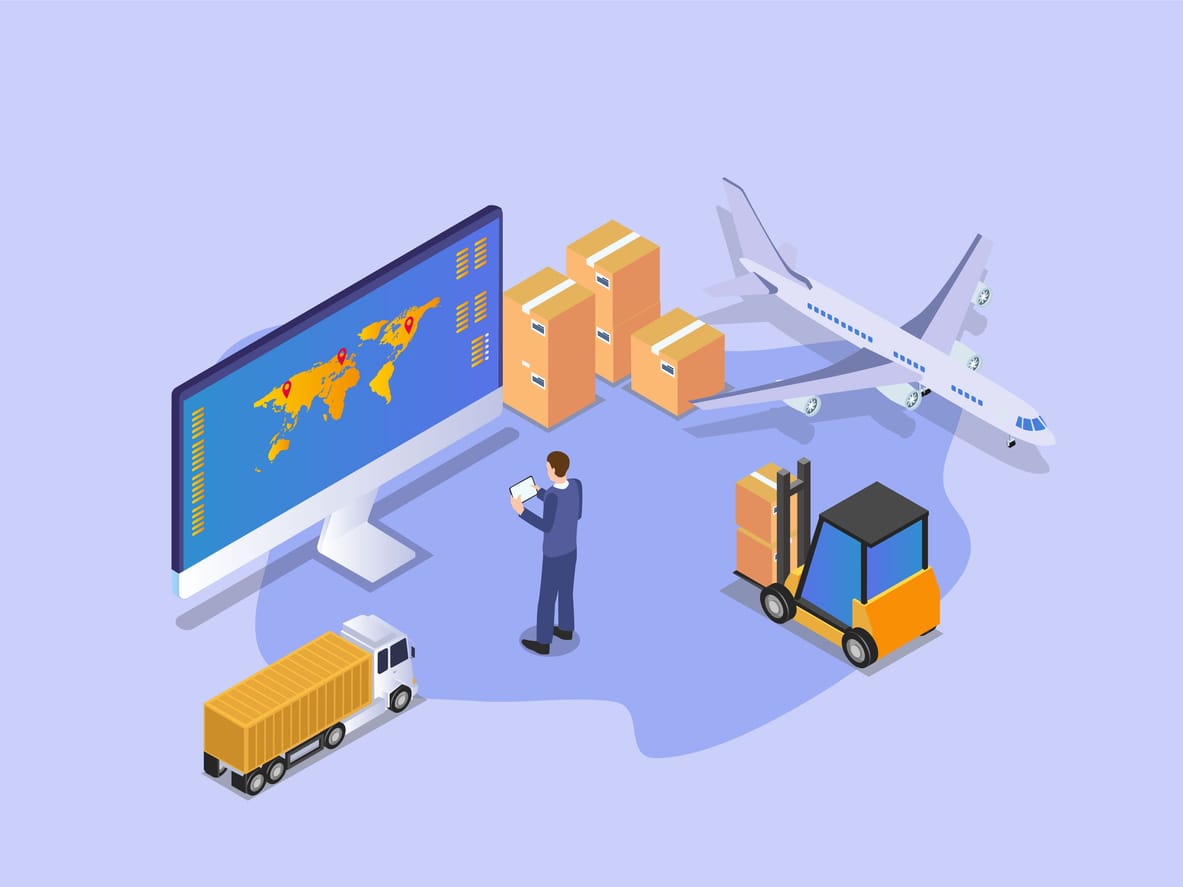
When setting up your automation stack, you will generally face two main structural paths. Choosing the right path determines how easily your operations can scale in the future.
Option A: [Shopify Front-end] ➔ [Plugin 1] + [Plugin 2] + [Plugin 3] = High Complexity / Risk of Breaks
Option B: [Shopify Front-end] ➔ [Integrated All-in-One Platform] = Unified Data / High Stability
The Fragmented Plugin Stack
Many beginner merchants start by connecting several distinct tools together. They might use one plugin for sourcing, a separate shopify app dropshipping tool for order entry, and a third browser extension to track packages.
While this modular setup looks customizable, it creates technical fragmentation. Every extra plugin you add relies on separate codebases and servers.
If one app updates its API, the connection can break, forcing you back to manual processing until a patch is released. Managing multiple separate subscriptions also eats into your profit margins as sales grow.
The Integrated System
To avoid this technical fragmentation, growing brands use an all in one dropshipping platform. This architecture keeps your data operations unified in a single system.
Instead of routing information through multiple loosely connected apps, your front-end store links directly to a single platform that handles everything: sourcing data, automated routing, quality control tracking, and international shipping optimization.
Operational Performance | Fragmented Plugin Stack | Integrated All-in-One Platform |
Data Sync Speed | Delayed processing queues | Real-time API routing |
System Stability | High risk of multi-app conflicts | Single unified codebase |
Inventory Verification | Estimates based on web scraping | Direct warehouse inventory syncing |
Logistics Support | Relies on standard marketplace mail | Over 30 specialized global shipping routes |
Team Onboarding Time | High (Requires learning multiple tools) | Low (Single centralized user dashboard) |
For brands focused on scaling, using a full shopify dropshipping platform provides the clear infrastructure needed to handle high order volumes smoothly.
Operational Pro-Tips from Top-Tier Copywriters and E-Commerce Experts
If you study the top results on Google for automated fulfillment, most articles give you the same basic advice: install an app and turn on auto-sync. That advice misses the reality of managing high-volume operations. Here are three pro-tips that experienced cross-border operators use to maximize efficiency.
Pro-Tip 1: Implement "Exceptions-Only" Management
Amateur operators often spend hours watching their automation dashboards, reviewing every single order as it processes. This defeats the purpose of automating your workflow.
Experienced operators use exceptions-only management. They set up their best dropshipping software to process clean orders automatically without human intervention.
You only step in when the system flags an anomaly—like an unverified shipping address or an unexpected out-of-stock item. This approach allows a small team to handle thousands of shipments weekly while spending less than fifteen minutes a day on order reviews.
Pro-Tip 2: Avoid the Bulk-Batching Delays
A common mistake is configuring your dropship application to sync orders in bulk batches once or twice a day. While this seems organized, it actually slows down your supply chain.
If a buyer places an order at 9:00 AM, but your bulk sync doesn't run until 11:00 PM, you lose fourteen hours of processing time. In cross-border logistics, that half-day delay can mean missing the evening warehouse cutoff in China, adding a full day to your total delivery time. Set your system to sync orders instantly to keep transit times as short as possible.
Pro-Tip 3: Centralize Your Multi-Channel Supply Chain
As your brand grows, you will likely expand beyond a single storefront to sell across multiple platforms. If you use separate dropship platforms for every channel, your operations will quickly become cluttered.
True efficiency comes from routing all your sales channels into one central hub. This keeps your inventory accurate across all platforms and allows you to manage global fulfillment from a single dashboard.
Reclaim Your Focus by Automating with BuckyDrop
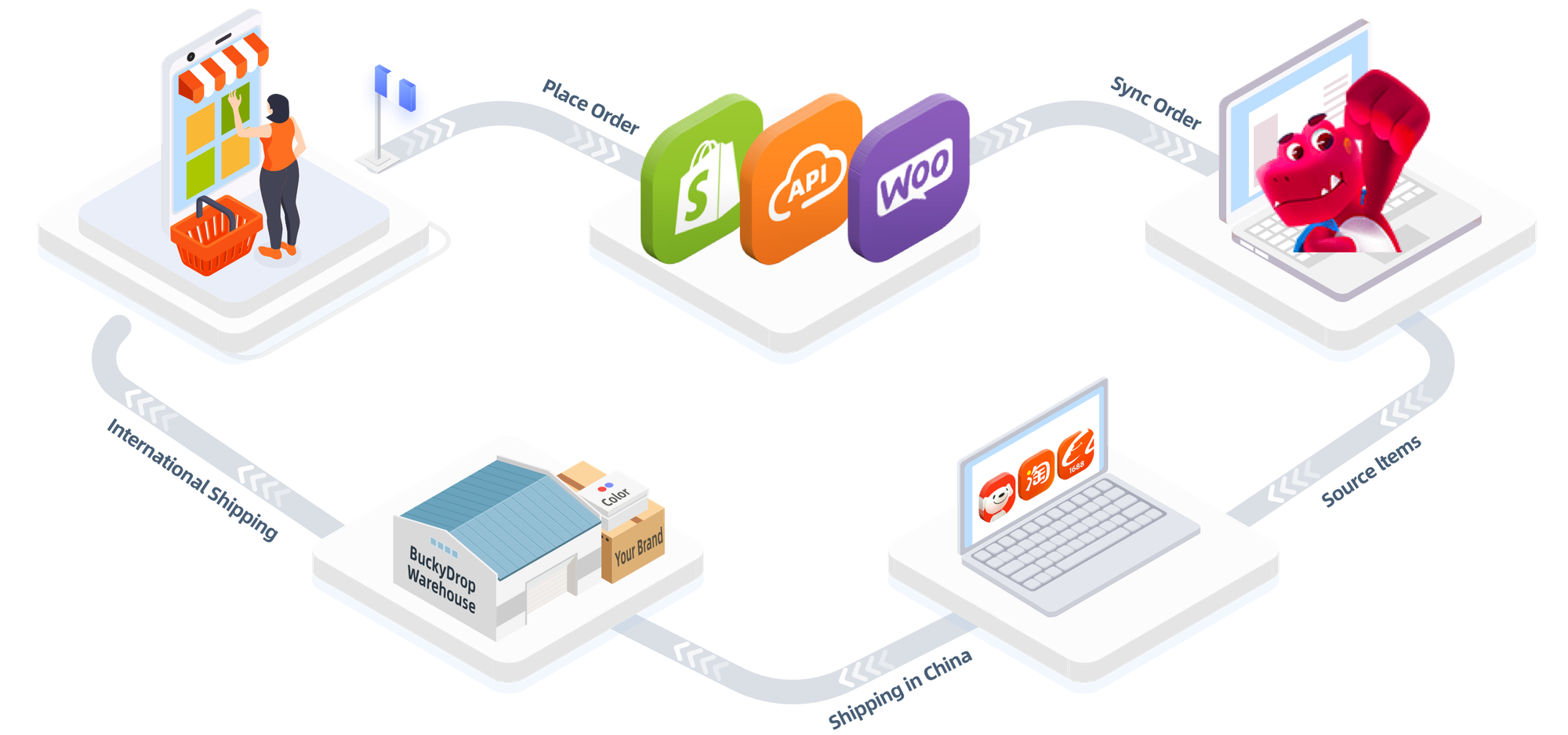
Building a successful e-commerce brand requires stepping away from manual logistics management. BuckyDrop provides a complete automation system designed to eliminate manual data entry and secure your supply chain operations.
[Your Storefront] ➔ [BuckyDrop Automation Engine] ➔ [Direct Sourcing ➔ Product QC ➔ Custom Packing ➔ Optimized Shipping]
Unified Storefront Integration
BuckyDrop functions as a highly efficient best app for dropshipping, connecting directly with platforms like Shopify and WooCommerce.
You can import products from deep Chinese supply networks—including Taobao, 1688, and Tmall—with a single click. Your pricing formulas and variant mappings update automatically, keeping your front-end store completely accurate.
Automated Procurement and Logistics
You don't need to manually coordinate with multiple international suppliers. BuckyDrop acts as your professional dropship services partner.
The moment an order comes into your store, our system routes the procurement data directly to the source factory. Products move to our secure warehouses, where our team performs physical quality inspections to verify sizes, colors, and item conditions before they leave the country.
Intelligent Carrier Selection
Shipping delays can quickly hurt customer retention rates. BuckyDrop provides access to more than 30 optimized shipping routes covering over 200 countries.
Our logistics platform looks at your package parameters to select the most reliable carrier option for your budget. Real-time global tracking numbers sync back to your store platform automatically, keeping your customers informed without requiring manual tracking updates from your team.
On-Demand Branded Packaging

Building long-term customer value requires professional product presentation. BuckyDrop offers value-added dropshipping services that go beyond basic data transfers.
Sellers can use our warehouses to store custom poly-mailers, insert custom thank-you notes, and add custom hangtags to their products. Your customers receive a premium unboxing experience that builds trust and helps drive repeat purchases.
Frequently Asked Questions
What are the main differences between automated dropshipping platforms?
Standard drop shipping platforms usually focus only on data transfers, scraping product info and auto-filling basic checkout forms. An advanced all in one dropshipping platform like BuckyDrop manages both the digital data and the physical logistics. This includes direct warehouse inventory syncing, physical quality inspections, custom brand packaging, and managed global shipping lines.
How do dropshipping fulfillment services keep inventory data accurate?
Professional dropship fulfillment services connect directly to warehouse management databases using API webhooks. This setup ensures that when a factory's inventory changes, your storefront availability updates in real-time. This automated tracking helps protect your brand from selling out-of-stock items and avoids customer service issues.
Can I run an auto dropshipping system across multiple stores?
Yes. By using advanced dropship platforms, you can link multiple independent storefronts to a single centralized dashboard. This keeps your order routing organized, allows you to track all global shipments in one place, and ensures accurate stock levels across all your sales channels.
How does using a shopify app dropshipping setup save time daily?
It completely removes the need for manual data entry. Instead of spending hours copy-pasting customer details and tracking codes between systems, a shopify app dropshipping setup moves that information instantly. This automation reduces your daily order management work to a few simple clicks, freeing up your time to focus on marketing and growth.
Step Away From the Spreadsheets
Every hour you spend copying addresses, checking stock counts, and manually tracking packages is an hour you aren't spending on scaling your business. You cannot grow a sustainable B2C brand if you are bogged down by administrative tasks.
Automating your backend operations changes how you manage your business. Implementing an organized automated order fulfillment framework protects your brand from human error, keeps your data accurate, and ensures a reliable delivery experience for your customers.
Let modern technology handle your data syncing, product inspections, and international logistics. Connect your storefront to BuckyDrop today, automate your order management, and focus on growing your brand.