How Taobao Agents Help International Dropshipping Businesses?
Scale your business with a Taobao agent and dropshipping automation. Learn how to source from 1688, automate order processing, and implement quality inspection to reduce costs and grow your store from $10K to $60K monthly.
Table of contents
How Taobao Agents Help International Dropshipping Businesses
Table of contents
Why Dropshipping from China Becomes Difficult at Scale?
What a Taobao Agent Actually Does in Dropshipping?
How Automation Transforms Dropshipping Operations?
Case Study — Scaling a Dropshipping Business with Taobao Agent + Automation
Common Pitfalls When Using Taobao Agents
Checklist — How to Avoid Dropshipping Failures with Taobao Agents
What to Look for in the Best Platform for Dropshipping from China?
Conclusion
Think about where most dropshipping problems start—cost, quality, or delivery. All three trace back to sourcing.
Taobao agents fix the access problem. They let you source directly from Chinese platforms like Taobao and 1688, where prices are typically lower because you’re closer to manufacturers, not resellers. China remains the world’s largest ecommerce market, which explains the depth of its supply chain (Source: https://en.wikipedia.org/wiki/E-commerce_in_China).
But the real value isn’t just cheaper products. It’s control.
A structured Taobao agent system connects sourcing, purchasing, inspection, and shipping—turning scattered steps into one workflow. That’s what makes scaling possible.
Why Dropshipping from China Becomes Difficult at Scale?
At low volume, dropshipping from China feels manageable. You’re placing a few orders a day, forwarding details to suppliers, and everything seems under control. But what happens when that turns into 30, 50, or even 100 orders daily? That’s where things begin to break. You’re no longer just running a store—you’re managing a system. And without proper dropshipping order management or any real ecommerce order automation, that system starts to crack under pressure.
Limited Access to Chinese Supplier Ecosystems

Let’s start with access. Platforms like Taobao and 1688 hold the real pricing advantage, but they weren’t designed for international sellers. You open the site and immediately hit friction—language barriers, payment restrictions, and slow supplier communication. It’s not that the supply isn’t there; it’s that you’re trying to operate from outside a system built for domestic use. China’s ecommerce infrastructure is deeply localized, which is one reason it remains the largest ecommerce market globally (Source: https://en.wikipedia.org/wiki/E-commerce_in_China). Without local access, you’re always reacting instead of operating efficiently.
Manual Order Processing Slows Growth
Now think about your daily workflow. Orders come in, you copy the details, send them to suppliers, wait for confirmation, double-check everything, and repeat. At first, it’s fine. But as volume grows, this process becomes a bottleneck. Without an automated order processing system, every order adds more friction. Mistakes start creeping in—wrong variants, missed orders, delayed confirmations. It’s not dramatic at first, but over time, it compounds. Growth doesn’t stop suddenly—it just becomes harder and harder to sustain.
Inconsistent Product Quality and Fulfillment Issues
Then there’s quality. You don’t see the product before it ships. You rely on the supplier to get it right every time. Sometimes they do. Sometimes they don’t. And when they don’t, your customer is the one who finds out. That’s when refunds, complaints, and negative reviews start stacking up. Without a structured QC process, you’re essentially outsourcing your reputation. In dropshipping, that’s a risk most stores can’t afford to carry for long.
What a Taobao Agent Actually Does in Dropshipping?
So where does a Taobao agent fit into all this? Most people think it’s just someone who buys products on their behalf. But in practice, it’s much more than that. It’s a way to operate inside the chinese dropshipping ecosystem instead of struggling from the outside. If you want to dropship from China efficiently, access alone isn’t enough—you need a layer that connects sourcing, purchasing, and fulfillment.
Direct Sourcing from Taobao and 1688
Instead of relying on retail platforms, you’re sourcing closer to the supply origin. That typically means lower costs and better margin control. It’s not just about saving a few dollars per unit—it’s about creating enough pricing flexibility to stay competitive while still making a profit. Over time, that difference becomes significant.
Acting as a Local Procurement Layer
Think of a Taobao agent as your local operator. They handle communication with suppliers, confirm product details, and manage purchasing. You’re no longer dealing with translation issues or unclear specifications. That alone removes a surprising amount of friction from daily operations.
Supporting Cross-Border Fulfillment
Instead of coordinating multiple suppliers individually, products are consolidated into a single workflow. Items are collected, checked, packed, and then shipped internationally. This reduces complexity and creates a more predictable fulfillment process. You’re not managing scattered pieces anymore—you’re managing a system.
How Automation Transforms Dropshipping Operations?
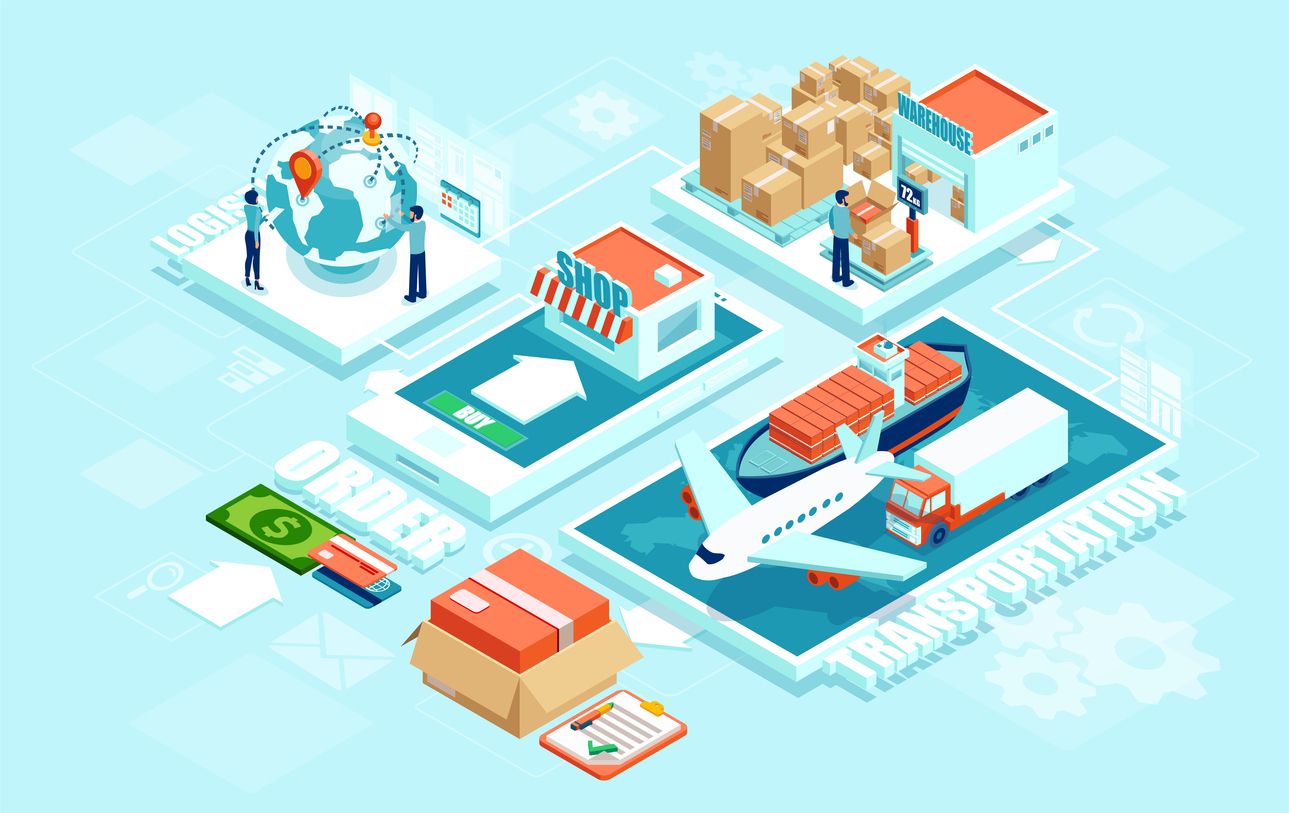
Here’s where things really change. Automation doesn’t just make your work easier—it changes how your business performs under pressure. Without it, every increase in order volume increases your workload. With it, your system absorbs that growth.
From Manual Orders to Automated Order Processing
With automated order fulfillment, orders move directly from your store into procurement. There’s no copying, no back-and-forth communication, and fewer opportunities for mistakes. This is where ecommerce order automation starts to make a measurable difference. Instead of chasing orders, you’re overseeing a process that runs on its own.
Real-Time Order and Inventory Synchronization
Ever sold a product only to find out it’s out of stock? That’s a classic issue when systems aren’t connected. With proper synchronization, inventory and pricing update in real time. You’re no longer guessing—you’re working with accurate data. This reduces overselling and improves overall order accuracy.
Scalable Dropshipping Order Management Systems
At some point, the mindset shifts. You stop thinking in terms of individual orders and start thinking in terms of systems. A strong automated order management setup centralizes everything—orders, suppliers, fulfillment status—into one place. Instead of juggling tools and conversations, you’re managing a structured workflow. And that’s what makes scaling sustainable.
Case Study — Scaling a Dropshipping Business with Taobao Agent + Automation
Let’s make this practical.
A European Shopify seller in the home decor niche was doing around $10K/month. Orders were coming in, but margins were tight and fulfillment felt unstable. Every order had to be forwarded manually. Supplier pricing changed often. Delays started showing up—and customers noticed.

Initial Problem — Low Margins and Inefficient Fulfillment
They were sourcing through retail channels, paying marked-up prices without realizing how much margin they were losing. At the same time, their backend relied on manual workflows. Every order needed attention. As volume increased, so did mistakes—wrong items, delayed shipments, inconsistent tracking.
Sound familiar?
This is where most stores plateau. Not because demand disappears, but because the system can’t keep up.
Implementation — Direct Sourcing + Automated System
They shifted to a Taobao agent model and introduced automated order fulfillment into their workflow using BuckyDrop.
Instead of relying on retail platforms, they sourced directly from Taobao through BuckyDrop’s integrated system. That alone improved pricing. More importantly, ecommerce order automation replaced manual order handling. Orders flowed directly from Shopify into procurement, without constant intervention.
They also added branded packaging through the same system. Not as decoration—but as a way to increase perceived value and build trust.
Results — 35% Cost Reduction and 6x Revenue Growth
Within four months, the numbers changed:
● Product costs dropped by roughly 35%
● Monthly revenue scaled from $10K to $60K
● Repeat purchase rate increased due to stronger branding
The key shift wasn’t traffic.
It was control.
Common Pitfalls When Using Taobao Agents
Now here’s the part most people don’t talk about.
Using a Taobao agent—or even a system like BuckyDrop—doesn’t automatically fix your business. If anything, it exposes weak processes faster. If you’re thinking about how to avoid dropshipping supplier issues, it starts here.
Skipping Product Validation
You find a product, see good pricing, and start running ads.
But you never order a sample.
That’s where things go wrong. Without validation, you’re guessing on quality, materials, and sizing. Once orders scale, the cost of fixing mistakes multiplies.
Mismanaging Product Variants and Listings
Sizes don’t match. Colors are off. Product descriptions don’t reflect what’s actually shipped.
These aren’t small details—they directly affect refunds and customer trust.
Over-Reliance on Automation Without Oversight
Automation makes things faster, but it doesn’t replace judgment.
Even with automated order fulfillment, you still need to monitor suppliers, track product consistency, and review order accuracy. Systems reduce effort—but they don’t eliminate responsibility.
Poor Shipping Expectation Management
You promise 5–7 day delivery because it converts better.
But actual delivery takes longer.
That gap is where complaints happen. Clear expectations matter more than optimistic ones.
Lack of Quality Inspection Processes
Without inspection, you’re relying entirely on the supplier.
Sometimes that works. Sometimes it doesn’t.
The difference is whether you have a system—like the inspection layer built into BuckyDrop—to catch problems before they reach the customer.
Checklist — How to Avoid Dropshipping Failures with Taobao Agents
If you want a simple way to stay in control, use this as a baseline:
● Validate products before scaling—always test samples
● Implement a quality inspection SOP before shipping
● Verify SKU details, variants, and product data accuracy
● Use real-time sync to avoid inventory and pricing issues
● Monitor your automation workflows instead of ignoring them
● Align shipping timelines with what customers will actually experience
This isn’t complicated—but skipping any one of these creates problems later.
What to Look for in the Best Platform for Dropshipping from China?
At some point, tools stop being enough. You need a system.
So what actually defines the best platform for dropshipping when you’re sourcing from China?
It’s not about features—it’s about whether the platform can handle real operational pressure.
Multi-Platform Sourcing Capability
A strong system should connect you directly to Taobao, 1688, and JD.
Why? Because relying on a single sourcing channel limits both pricing and product options. Flexibility here directly impacts your margins.
Automated Order Fulfillment System
You shouldn’t be touching every order.
A proper setup includes an end-to-end workflow where orders move from your store into procurement automatically. This is where dropshipping services shift from manual execution to system-driven operations.
Integrated Quality Inspection and SOP
Consistency doesn’t come from suppliers—it comes from process.
A structured inspection system ensures that products are checked before shipping, not after customers receive them.
Branding Support (Private Label / White Label Dropshipping)
If you’re still shipping generic products, you’re competing on price alone.
With private label dropshipping or white label dropshipping, you control how your product is presented. Packaging, labeling, and branding all contribute to higher perceived value—and better retention.
Global Logistics and Shipping Optimization
Shipping isn’t just about speed—it’s about predictability.
A reliable system gives you multiple shipping options and routes, allowing you to match delivery times with customer expectations. That’s what reduces complaints and improves overall experience.
At the end of the day, the difference between struggling stores and scalable ones isn’t the product.
It’s whether the system behind that product can actually support growth.
Conclusion
Most sellers think the challenge is finding products.
It’s not.
The real challenge is controlling what happens after the order is placed.
A Taobao agent gives you access to China’s supply chain. That’s step one.
Automation turns that access into a working system. That’s step two.
And standardized processes—quality inspection and fulfillment SOPs—are what keep everything consistent as you grow.Without that structure, growth creates problems. With it, growth becomes predictable.
This is exactly where BuckyDrop comes in.
Instead of leaving you to connect sourcing, fulfillment, and automation on your own, BuckyDrop brings everything into one system. It links supplier access (Taobao, 1688, JD), automated order fulfillment, quality inspection, and global shipping into a single workflow. That means you’re not just accessing China’s supply chain—you’re actually controlling how it performs.
If you’re still managing orders manually or relying on fragmented tools, you’re not running a scalable system—you’re managing risk.
The next step isn’t just finding better suppliers. It’s choosing the best platform for dropshipping that can handle sourcing, fulfillment, and automation together.
So ask yourself:
Can your current setup support growth without breaking?
If not, it may be time to move toward a more structured approach—one that functions less like a tool, and more like complete drop shipping software built for scale, where systems like BuckyDrop turn complexity into something you can actually control.