How to Use AI for 1688 Dropshipping: Automate Sourcing & Scaling?
Automate 1688 to Shopify with AI: Sourcing, Sync & Scaling via BuckyDrop.

Are You Still Copying 1688 Product Information Manually Into Shopify?
Using AI for 1688 dropshipping involves integrating AI-driven translation and automated synchronization to bridge the gap between Chinese wholesale suppliers and Shopify storefronts. By utilizing platforms like BuckyDrop, sellers can automate the end-to-end sourcing-to-delivery lifecycle—including product listing, automated procurement, quality inspection, and global fulfillment—to eliminate manual errors and scale operational capacity.
The real problem is workflow fragmentation. You find a product, translate the details, rebuild the listing, then separately manage purchasing, inspection, and shipping after the order arrives. Shopify also highlights how order processing and fulfillment depend on clean, connected workflows Shopify Help Center.
That is why more sellers are moving toward ecommerce order automation. BuckyDrop connects AI translation, Shopify sync, and automated order fulfillment, making dropshipping order management more scalable.
How AI Makes 1688 to Shopify Automation More Practical?
How Does AI Translation Turn 1688 Product Details Into Usable Listings?
True AI translation in dropshipping isn't just about linguistic accuracy; it’s about intent-based rewriting. 1688 titles are often stuffed with wholesale-specific keywords like 'explosive style' or 'cross-border hot sale' which hurt Shopify SEO. An expert workflow uses AI to deconstruct these titles and rebuild them into brand-ready, consumer-facing headlines that follow Western search patterns. It is about turning supplier-side information into store-ready content. 1688 pages are written for wholesale buyers, not for Shopify shoppers, so titles, specs, and variant details often need heavy rewriting.

BuckyDrop uses AI to translate 1688 product information into usable listing content. That reduces manual editing, speeds up publishing, and lowers the risk of mistakes when handling multiple SKUs. For a growing shopify dropship store, that matters far more than basic text translation.
How Does One-Click Product Sync Connect 1688 Listings to Shopify?

Understanding a product page is only half the job. The next bottleneck is moving that data into Shopify accurately.
BuckyDrop lets translated product information sync directly to Shopify, reducing manual copy-paste of titles, images, descriptions, and attributes. That creates a cleaner workflow between sourcing and listing. For sellers comparing product sourcing tools, this is a major difference: finding products is useful, but moving product data into your store correctly is what makes a tool practical.
Why Should Sourcing and Listing Stay in One Workflow?
Many sellers still treat sourcing and listing as two separate jobs. First they find the product, then they rebuild the page manually. That creates delays and avoidable errors.
By combining AI translation with Shopify sync, BuckyDrop shortens the path from product discovery to live listing. That is why sellers looking for the best platform for dropshipping or the best dropship app for shopify increasingly care about workflow continuity, not just import features.
From Product Sync to Delivery: How Does BuckyDrop Automate the Entire Process?
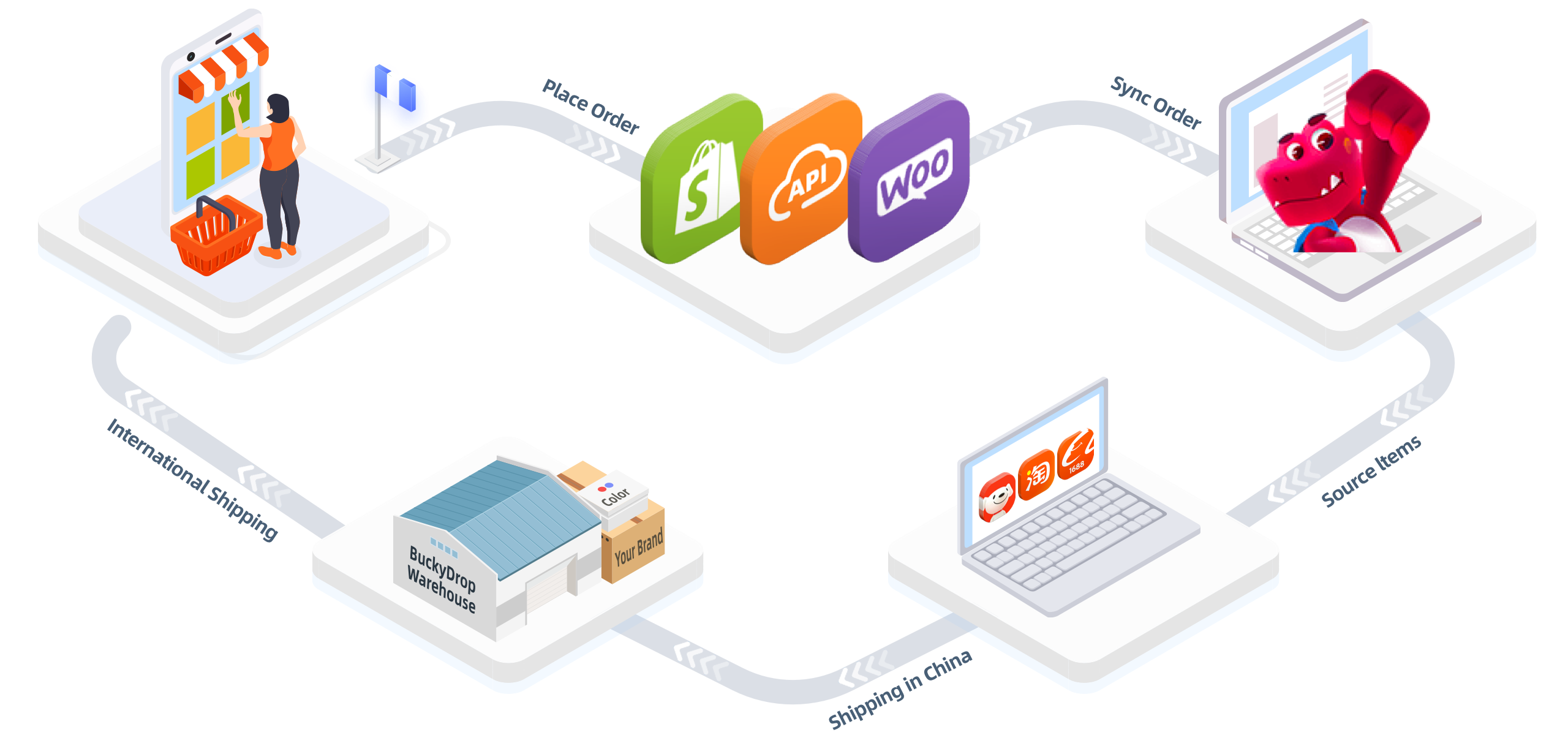
Step 1 — Import Product Details From 1688?
BuckyDrop uses AI to translate key product details, including titles, specs, and attributes, so the data is ready for Shopify publishing.
Step 2 — Sync Products to Shopify in One Click?
Once the data is prepared, it can move directly into Shopify. This reduces manual rebuilding of SKUs, descriptions, images, and attributes.
Step 3 — What Happens After an Order Is Placed?
Once a customer orders, BuckyDrop can start the 1688 purchasing workflow automatically. This makes it closer to an automated order processing system than a simple listing tool.
Step 4 — How Does Automated Quality Inspection Fit In?
Quality inspection acts as a control point before shipment. It helps catch product or variant issues before they become returns or disputes, which is essential for stable automated order management.
Step 5 — How Does Global Shipping Complete the Workflow?
After purchasing and inspection, the order moves into global shipping. This connects sourcing, checking, and delivery in one process, making china fulfillment, automated order fulfillment, and order fulfillment automation part of the same workflow rather than separate tasks.
In simple terms, this is what ecommerce order automation should look like: one connected system from product sync to final shipment.
Why Does End-to-End Automation Matter More Than Single-Task Tools?
Is AI Translation Directly Connected to Listing Execution?
Many tools can translate product text. That sounds useful, but it does not solve much if the seller still has to rebuild the listing by hand inside Shopify. That is where BuckyDrop stands apart. Its AI translation is not just there to help you read a 1688 page. It is built to support actual listing execution.
In other words, the output is meant to move into your Shopify workflow, not sit there as reference text. For sellers comparing best dropshipping software or different drop shipping software options, that difference matters. Translation alone helps you understand a product. Translation linked to listing execution helps you publish it.
Does Automation Continue After the Product Is Published?
This is another key gap in the market. Many tools are useful at the import stage, then stop being useful once the order comes in. They help you get products into the store, but they do not help much with what follows.
BuckyDrop continues after publishing. Once an order is placed, the workflow extends into purchasing, inspection, and shipping. That makes it more than a listing tool. It functions more like connected dropshipping services built around execution, not just storefront setup. For sellers comparing dropshipping fulfillment services, this is the real dividing line: does the tool stop at listing, or does it help move the order all the way forward?
Does Workflow Continuity Reduce Repetitive Order Follow-Up?
Yes, and this is where the operational value becomes obvious. In many stores, backend work turns into constant follow-up: checking supplier status, confirming products, tracking inspection, and pushing shipping updates. Manual dropshipping is an operational tax; without a unified pipeline, every order costs you more in time than it earns you in profit.
BuckyDrop reduces that repeated coordination by keeping the workflow connected. The value is not “convenience” in a vague sense. It is structure. When sourcing, listing, purchasing, inspection, and shipping are linked, sellers spend less effort chasing the next step manually.
What Do Real Merchant Scenarios Show About Automation?
How Did Large-SKU Stores Reduce Inventory Risk Through Stock Synchronization?
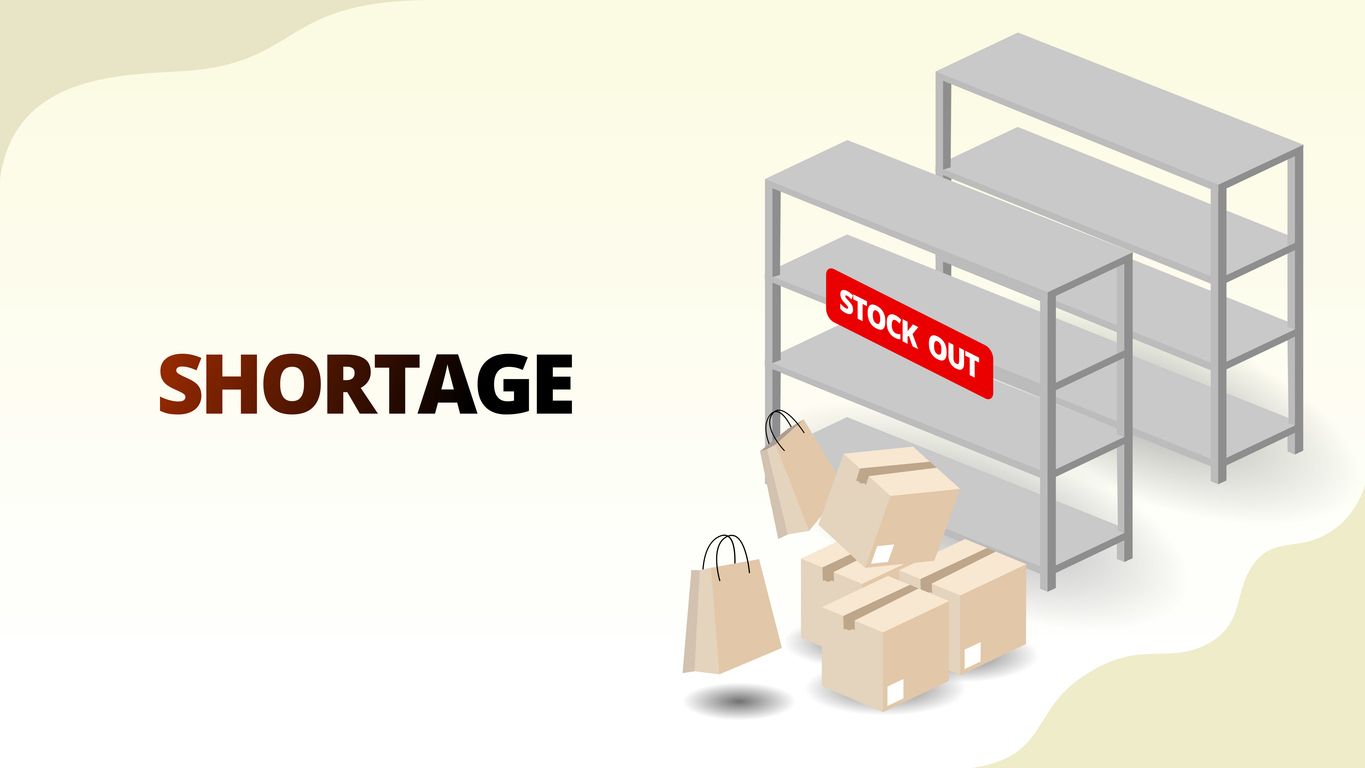
While real-time sync is vital, 1688 inventory data can be volatile.
Expert Pro-Tip:
Implement a '10% Inventory Moat.' Configure your automation settings to show 'Out of Stock' on Shopify once a 1688 supplier’s stock falls below 10 units. This safety buffer protects your merchant health score from 'ghost sales' caused by sudden bulk purchases in the domestic Chinese market.
With a few products, you can catch stock problems manually. With a large catalog, that becomes risky. This case shows how automation can support inventory accuracy in high-SKU operations, where a small mismatch can quickly turn into canceled orders and customer friction.
How Did Sellers Automate Order Downloading and Fulfillment Workflow?
Another seller said BuckyDrop helped them download order information, fulfill orders automatically, and manage backend inventory more accurately. That is a strong real-world example of replacing repetitive manual workflow.
Instead of treating each order like a separate admin task, the seller used a more connected process. That is exactly where automation starts to matter in daily operations. It reduces repeated handling inside dropshipping order management, especially when order volume begins to climb.
How Did Long-Term Users Improve Sourcing and Bulk Order Coordination?
A long-term user shared that BuckyDrop made sourcing, order processing, and fulfillment more efficient over time. They also pointed to better handling of bulk orders and product issues.
That is important because it shows the value goes beyond product import. Plenty of tools look useful at the beginning. The real question is what happens when order volume grows or when exceptions start showing up. This case suggests that BuckyDrop supports not just listing flow, but broader operational coordination as the business becomes more complex.
How Did Merchants Handle Supplier Alternatives and Custom Requests?
Another merchant said BuckyDrop supported them with sourcing, quality checks, and order handling, especially when they needed alternative suppliers or quick responses for custom requests.
This is worth highlighting because automation is not only about speed. It is also about linking system flow with supply chain execution. In practice, that means the tool is not working in isolation. It is supporting real sourcing decisions, QC steps, and order movement when normal workflows need adjustment.
What Mistakes Should You Avoid When Using AI for 1688 Dropshipping?
1. Do not assume translated listings are ready without review.
Check key details like materials, voltage, sizing, and compliance-related specs. AI can shorten the work, but it should not replace product review.
2. Do not publish products without verifying SKU and image mapping.
One user reported issues with product image and SKU image synchronization. That is a useful reminder: always double-check variant and image alignment before publishing at scale.
3. Do not separate sourcing from fulfillment planning.
Importing products is only the first step. If purchasing, inspection, and shipping are not connected, the backend still stays fragmented.
4. Do not ignore stock synchronization for large-SKU stores.
Inventory mismatch creates preventable disruptions. This becomes especially important when stores carry many variants or rotate products quickly.
5. Do not treat automation as a substitute for process control.
Automation should reduce repeated tasks, not eliminate review. Sellers still need to verify critical steps in automated order management.
6. Do not choose tools that only solve one stage of the workflow.
A product import tool may look helpful at first, but without fulfillment logic, it leaves too much manual work in dropshipping fulfillment services and backend coordination.
7. Do not overlook data synchronization accuracy.
In cross-border selling, clean order flow depends on accurate syncing between store data, supplier data, and fulfillment status. That is a core part of stable dropshipping order management.
Avoid the 'Volumetric Weight Trap':
AI tools usually pull 'dead weight' from 1688 listings, but international carriers charge by dimensions. When automating your pricing logic, always include a 15-20% dimensional multiplier to ensure your shipping margins aren't eroded by large but lightweight export packaging.
What Should Sellers Look For in an Automated 1688 to Shopify Workflow?

Why Do Shopify Integration Compatibility Standards Matter?
A connection to Shopify is not enough on its own. What matters is whether product data can move into the store cleanly and stay consistent after updates. Shopify’s developer documentation makes clear that external systems need structured product sync logic, targeted updates, and stable API-based data handling, not loose copy-paste style transfers.
In plain English, the system should behave like a proper bridge, not a temporary shortcut. If titles, variants, attributes, or images do not sync cleanly, the seller ends up fixing the same listing twice. That is why stable store connection and listing sync logic are part of the real evaluation standard for any shopify dropshipping platform.
Why Does Cross-Border Order Processing and Data Accuracy Matter?
Once stores, suppliers, and fulfillment steps are linked, bad data spreads fast. Shopify’s order management documentation shows that order handling depends on clear status flow across payment, fulfillment, and archiving, while fulfillment-service integrations rely on status updates and timeline communication to keep operations aligned.
That is why order data accuracy matters so much in dropshipping from china. A wrong variant, mismatched SKU, or delayed status update is not a small admin problem. It can affect purchasing, inspection, and shipment at the same time. In a cross-border workflow, clean synchronization is what keeps one mistake from turning into three.
Why Do Automated Fulfillment Workflow Standards Matter?
Shopify defines fulfillment as the process of preparing, packing, and shipping orders after purchase, and its help documentation shows that fulfillment works best when the process follows a clear sequence rather than scattered manual actions.
That is the real value of automated fulfillment workflow standards. Procurement should trigger at the right point. Inspection should happen before shipment. Shipping should follow confirmed order handling, not guesswork. Think of it like an airport baggage system: if one checkpoint is skipped, the whole chain becomes harder to trust. This is what makes the section sound operational instead of promotional.
Why Does This Matter for Scaling, Not Just Saving Labor?
Growth usually reveals weak process design. A small store can survive on manual fixes for a while. A larger store cannot. More SKUs mean more listing data to manage. More orders mean more purchasing triggers. More suppliers mean more coordination points. More shipments mean more chances for errors.
That is why AI automation matters beyond labor reduction. McKinsey has noted that AI-enabled supply-chain management can improve logistics costs, inventory levels, and service performance when companies apply it well. The point here is not to chase buzzwords. It is to keep operational complexity from growing faster than the business itself.
For a seller running a shopify dropship business, that shift is practical. Instead of adding more manual work every time the catalog or order count increases, the workflow becomes easier to repeat. That is part of what makes a tool feel closer to the best platform for dropshipping rather than just another importer.
FAQ — AI, 1688 Dropshipping, and Automated Order Fulfillment?
1. What Is AI-Powered 1688 Dropshipping?
It means using AI to help with sourcing tasks that usually require manual work, especially translating product details, preparing listings, and connecting those listings to automated order workflows.
2. How Does AI Help Translate 1688 Product Details for Shopify Sellers?
It reduces the language gap between Chinese supplier pages and English storefront listings. More importantly, it helps turn supplier data into listing-ready content instead of forcing the seller to rewrite everything by hand.
3. Can I Sync 1688 Products Directly to Shopify?
Yes. With BuckyDrop, product data from 1688 can be translated and synced into Shopify in one click, which reduces copy-paste dependency and speeds up listing setup.
4. What Is the Benefit of Automated Order Fulfillment in Dropshipping From China?
It connects the steps that usually create friction after a sale. Instead of handling purchasing, inspection, and shipping one by one, the workflow moves forward in a more structured way.
5. Why Is Dropshipping Order Management Difficult Without Automation?
Because the work does not stop at product import. Sellers still need to monitor stock, confirm product details, follow up on purchasing, check fulfillment progress, and handle shipping updates. That creates repeated backend coordination.
6. What Should I Check Before Publishing AI-Translated Products?
Review SKU mapping, variant logic, images, technical specs, sizing, materials, and any compliance-sensitive details. AI can speed up the process, but it should not replace final review.
7. Is BuckyDrop Only for Product Importing, or Does It Handle Fulfillment Too?
It goes beyond importing. The workflow continues into procurement, quality inspection, and global shipping after the customer places an order.
8. How Does Stock Synchronization Help Large-SKU Stores?
It improves inventory visibility between the seller and supplier side. That helps reduce out-of-stock disruptions, which become more common as catalogs get larger.
9. What Makes an Automated Order Processing System Useful for Shopify Dropshipping?
Workflow continuity. A useful system does not just move product data into the store. It also helps carry the order through purchasing, inspection, and shipment without forcing the seller to manually push each step.
10. What Should I Look For in the Best Platform for Dropshipping From China?
Look for AI translation, one-click Shopify sync, structured order processing, inspection support, shipping workflow connection, and clean data synchronization across the whole process.
Conclusion
The goal isn't just speed—it's building a 'Sourcing OS.' Automation turns the chaotic 1688 marketplace into a predictable, repeatable supply chain. That is the real shift. AI translation helps sellers understand and use 1688 product details. One-click sync helps move those products into Shopify without rebuilding listings by hand. Automated procurement, inspection, and global shipping help carry the order forward after the sale. Put together, those steps create workflow control, which is what scaling actually depends on.
If your current 1688 process still depends on manual translation, copy-paste listing, and repeated order follow-up, this is the point to rebuild the workflow. Explore how BuckyDrop can support your sourcing and fulfillment process with AI-driven 1688 to Shopify automation built for scalable cross-border selling.