Jewelry Dropshipping: Profit Margins, Suppliers & How to Get Started
Master jewelry dropshipping in 2026 with our expert guide. Learn how to achieve 60%+ profit margins, find reliable Chinese suppliers, and scale your brand with automated fulfillment and quality control. Perfect for Shopify and WooCommerce sellers.
Content
1.Introduction
2.Jewelry Dropshipping Profit Margins: Costs, Pricing, and What Sellers Actually Keep
3.How to Choose the Best Jewelry Dropshipping Suppliers for Long-Term Growth
4.Step-by-Step Guide: How to Start Jewelry Dropshipping
FAQ
1.Introduction
What if you could build a profitable online store selling high-demand jewelry—with margins above 60%—without holding inventory, dealing with unreliable suppliers, or risking thousands of dollars on unsold stock?
That’s the promise of jewelry dropshipping. On paper, it looks simple: list products, run ads, and let suppliers handle fulfillment. But in reality, most sellers would quickly run into the same problems—products that don’t match their photos, bestsellers that suddenly go out of stock, and suppliers who disappear when things go wrong.
Demand isn’t the bottleneck. The global appetite for affordable fashion jewelry continues to grow, especially in segments like stainless steel, personalized accessories, and trend-driven designs. The real challenge lies in execution—specifically, how you source products, manage quality, and maintain consistent fulfillment.
Unlike other categories, jewelry is highly sensitive to perceived value and product consistency. A slight difference in color, plating quality, or packaging can directly impact customer satisfaction, return rates, and ultimately your profit margins. At the same time, competition is intensifying, with many sellers relying on the same limited supplier pools—resulting in saturated products and shrinking margins. (Source: IJRAR: The Influence of Packaging Design on Consumer Perception and Purchase)
This is where most guides fall short. If you are looking for the best way to start dropshipping, you need to understand the operational risks. This article provides a step-by-step guide to choosing the right dropshipping services and mastering dropshipping from china to launch and scale your business.
In this article, we’re going to take a closer look at:
· The real profit margins behind jewelry dropshipping
· How to choose suppliers based on solid proof
· A step-by-step guide to launch and scale your business
· And how the right supplier model can turn jewelry dropshipping from a risky experiment into a stable, scalable operation
If you’re serious about building a long-term jewelry business—not just testing products—this is where you start.
2.Jewelry Dropshipping Profit Margins: Costs, Pricing, and What Sellers Actually Keep
Why Jewelry Dropshipping Has Strong Margin Potential

Jewelry dropshipping attracts sellers because the price gap between sourcing cost and retail price is often much larger than in many other categories. Profitability in jewelry is driven by Perceived Value Optimization (PVO). Jewelry is an emotional, high-margin purchase where the physical product is only 50% of the value; the remaining 50% is the unboxing experience. (Source: IJRAR: The Influence of Packaging Design on Consumer Perception and Purchase)
Typical Cost Structure from Affordable Fashion Jewelry Dropshipping Suppliers
For those who drop shipping from china via domestic platforms, the factory price for fashion jewelry is usually around $1.5 to $8 per piece. But the factory price alone does not show the real profit. Sellers also need to include quality inspection, packaging, and international shipping. After these costs are added, the total landed cost is often around $6 to $18 per unit. (Source: HonHo Jewelry wholesale guide - Alibaba supplier listings)
This number matters because it reflects the real cost of getting one order to the customer.
Typical Retail Pricing for Costume Jewelry
In the U.S. and European markets, jewelry is commonly sold at much higher prices than its landed cost. For example:
· Fashion jewelry: $19.99 to $49.99
· Stainless steel jewelry: $24.99 to $59.99
· Personalized jewelry: $29.99 to $79.99
That pricing range creates room for healthy margins, especially when the product is positioned well. (Source: Etsy Stanless Steel Jewelry )
Gross Margin vs. Net Margin
Based on these numbers, jewelry dropshipping can often reach a gross margin of 60% to 85%. For example, if a product costs $10 landed and sells for $34.99, the gross profit is $24.99.
However, gross profit is not the final profit. Once advertising costs, payment fees, discounts, and refunds are included, the net margin is usually lower. For many sellers, a more realistic net margin is around 15% to 35%. (Source: Shopify - Gross margin ratio: definition and formula)
That is still attractive—but only if the supply side is controlled properly.
Where Sellers Lose Profit
The biggest margin problems usually come from the supply chain, not the market.
First, sourcing from middlemen instead of domestic platforms instantly inflates your costs. However, the real nightmare begins when poor supply chain management eating your margins. For example, a recent case highlighted a dropshipper trying to buy jewelry from Taobao. Since the platform interface was unclear, the items were mistakenly routed to warehouse storage. Multiple support emails went unanswered , and another agent closed the chat before resolving anything. The goods remained stuck, turning a potential profit into a total loss. It proves that a lack of an effective person taking ownership of your supply chain is the fastest way to kill your margins.
Supplier Structure Matters More Than Product Cost
This is why jewelry profit margins are not automatic. Two stores can sell similar products at similar prices and still get very different results. The seller with better sourcing access, stronger quality control, and more stable restocking will usually keep far more profit.
Additionally, packaging matters more in jewelry than in many other categories. Better packaging improves perceived value, supports higher pricing, and helps reduce damage during shipping. In jewelry industry, presentation is part of the product value.
Key Takeaway
Jewelry dropshipping can be highly profitable, but the margin is created by execution—not by the category alone. Low sourcing cost, stable quality, reliable restocking, and better packaging are the factors that protect profit. In short, if the supply side is well managed, jewelry can be one of the strongest-margin dropshipping categories.
3.How to Choose the Best Jewelry Dropshipping Suppliers for Long-Term Growth
Choosing a jewelry supplier is not just about finding low prices. In this category, the supplier directly affects your product quality, profit margin, customer satisfaction, and ability to scale. A good-looking product page means very little if the actual item arrives with faded plating, loose stones, or poor packaging. That is why supplier selection should be based on a few practical standards, not surface-level claims.
Product Variety and Trend Access
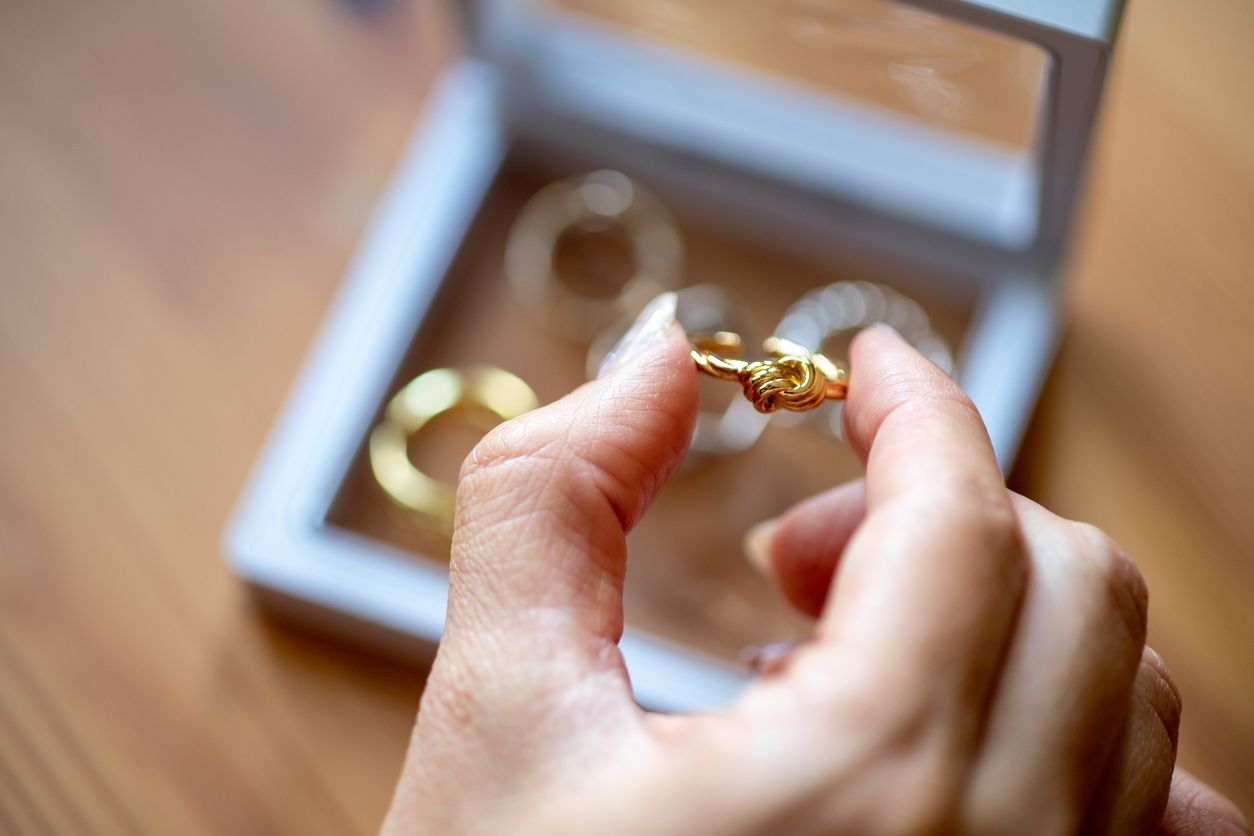
Jewelry is a fast-moving category, and popular styles can become saturated quickly. If a supplier only offers a limited catalog, sellers usually end up competing on the same products as everyone else. A better supplier should give access to a wider range of styles and faster access to new trends. This is especially important for sellers who want to test new designs quickly and avoid price competition on overused SKUs.
Buckydrop’s advantage here is its integration with multiple Chinese shopping platforms such as 1688, Taobao, Tmall, and JD. That broader sourcing access gives sellers more flexibility to find unique products and lower-cost options.
Why Product Quality Matters In Fashion Jewelry Dropshipping
In jewelry dropshipping, the gap between product images and the actual item is one of the biggest reasons for refunds. Customers pay close attention to finish, color, shine, and small design details. If the real product does not match expectations, even a low-cost item can become expensive through complaints and returns.
That is why suppliers should not be judged only by their photos. What matters more is whether they offer quality inspection before shipping and whether they can help sellers reduce the risk of defective or inconsistent products reaching customers.
Restocking Stability Protects Your Bestsellers
A product can perform very well in ads and still fail as a business if it cannot be restocked consistently. In jewelry, sellers often depend on a few winning items. Once those products go out of stock, sales momentum can disappear very fast.
A strong supplier should therefore offer more than supply. They should also offer sourcing flexibility, so sellers are not dependent on one single vendor or one limited inventory source.
Support and Operational Control is Vital For Jewelry Dropshipping
This is where many platforms fail. When an order issue, quality problem, or shipping delay happens, general customer service is often too slow or too limited to solve it effectively. Sellers need real support, not just ticket replies.
Having a dedicated support system is what separates testing products from building a brand. Take one Buckydrop customer who worked with the platform for nearly three years. Their dedicated account manager, Seth, didn't just answer routine tickets; he actively negotiated discounts with Chinese suppliers and coordinated custom branded packaging. Because fulfillment remained smooth without major delays, the seller could focus purely on scaling. This account manager model directly improves day-to-day business performance by protecting margins and supporting stronger branding.
In a word, finding the best platform for dropshipping depends on the level of operational control and infrastructure they provide. While many sellers start with general marketplaces, a specialized infrastructure is required for long-term scaling, as shown in the comparison below:
Feature | CJdropshipping | Zendrop | |
Sourcing Access | 1688, Taobao, Tmall, JD (Direct Chinese Platforms) | Internal Marketlapce & Sourcing Requests | Curated Supplier List (Vetted) |
Jewelry Specialization | High (Direct access to manufacturing hubs) | General (Mass-market catalog) | General (Focus on trending items) |
Branding/Packaging | Dedicated Manager for Custom Branded Packaging | Print-on-Demand & Custom Boxes | Branded Thank You Cards/Inserts |
Quality Control | Multi-point inspection before international shipping | Standard warehouse check | Automated vetting of suppliers |
Key Takeaway
When choosing a jewelry supplier, focus on four things: product variety, real quality control, stable restocking, and accountable support. These factors have a direct impact on margins and long-term growth. In jewelry dropshipping, a supplier is not just a fulfillment partner. It is part of your business infrastructure.
4.Step-by-Step Guide: How to Start Jewelry Dropshipping
Step 1: Choose the Right Product for Global Shipping
Start with jewelry products that are easy to ship and less likely to return, such as stainless steel rings, necklaces, bracelets, and minimalist styles. These products are usually more durable and easier for beginners to manage.
Step 2: Find Affordable Jewelry Dropshipping Suppliers
Choose a supplier that offers more than just product listings. You need stable sourcing, quality inspection, packaging support, and reliable restocking. In jewelry dropshipping, supplier structure directly affects profit and customer satisfaction.
Step 3: Check Product Quality
Before selling, verify that the real product matches the photos and description. Pay attention to plating, color, finish, stone setting, and clasp quality. This step helps reduce refunds and complaints later.
Step 4: Build a Simple, Trustworthy Store
Create a clean and simple online store on Shopify or another platform. Use clear product images, easy-to-read descriptions, and a professional layout that makes the jewelry look trustworthy and attractive.
Step 5: Test a Small Number of Products
Do not launch too many products at once. Start with a small selection and test which items get clicks, orders, and better conversion rates. This helps you identify winning products faster.
Step 6: Secure Restocking and Scale Carefully
Once a product starts selling well, make sure the supplier can keep it in stock. Once supply and quality are stable, you can leverage ecommerce order automation to safely increase your ad spend and order volume.
Key Takeaway
Jewelry dropshipping is easier to scale when each step is handled in the right order: choose the right product, work with the right supplier, verify quality, test carefully, and scale only after the supply side is stable.
FAQ
1. What is jewelry dropshipping?
A business model where jewelry is sold online and fulfilled directly by suppliers without holding inventory.
2. Is jewelry dropshipping profitable in 2025?
Yes—profit margins typically range from 60%–85% gross, depending on sourcing efficiency.
3. What materials are best for dropshipping jewelry?
· Stainless steel (durable, low returns)
· Gold-plated brass (higher perceived value)
4. How do I find reliable jewelry suppliers?
Look for:
· Multi-platform sourcing access
· Quality inspection capability
· Negotiation flexibility
5. Why do jewelry dropshipping businesses fail?
· Poor supplier selection
· Quality inconsistency
· Lack of operational support
6. Can I dropship jewelry globally?
Yes, with proper logistics setup:
· US/EU shipping: 5–10 days
· Middle East/Africa: longer but viable
7. Do I need to buy inventory upfront?
No, but you must ensure supplier stock stability
8. How do I reduce return rates?
· Use QC inspection
· Choose durable materials
· Improve packaging
9. What is the best shopify dropshipping platform for jewelry?
Platforms that offer:
· Supplier access
· QC services
· Dedicated support