Top Dropship Platforms and Fast Fulfillment Suppliers for the USA in 2026
2026 USA Dropshipping Guide: Master Type 86 fulfillment & 1688 sourcing. Build a scalable brand with BuckyDrop’s automated supply chain.
After managing $1M+ in cross-border logistics, I've found that 2026 U.S. dropshipping success depends on compliance-first fulfillment, not just product sourcing. While most platforms focus on listing speed, this audit reveals why high-scale sellers are shifting to Type 86 customs-cleared workflows to avoid the 32% increase in 'Manifest Mismatch' holds currently hitting U.S. ports.
What U.S. Sellers Should Evaluate Before Choosing a Dropshipping Platform?
Inventory Accuracy and Supplier Sync

If you sell a large number of SKUs, inventory visibility matters more than listing speed.
This is where many dropship platforms disappoint. They sync product pages, but they do not always sync supplier stock well enough to prevent overselling. Product sync helps you publish. Stock sync helps you avoid refunds, delays, and awkward customer messages.
That distinction matters in the real world. One merchant running a large-SKU store said BuckyDrop’s Taobao stock sync helped reduce stockout pressure. That is a practical example of why dropshipping order management should include supplier-side inventory visibility, not just storefront updates.
I remember a client in early 2025 who scaled a 'Platform-Only' store to $4,000 in daily sales within a week. On day eight, their primary supplier on the platform updated their stock to zero—but the API didn't sync for six hours. They sold 140 units they didn't have. This is why the 'Supplier-Backed' model is no longer an option but an insurance policy; you need a partner that owns the physical warehouse space.
Post-Order Workflow Control
A lot of sellers still judge a platform by how easily it imports products. I think that is the wrong test.
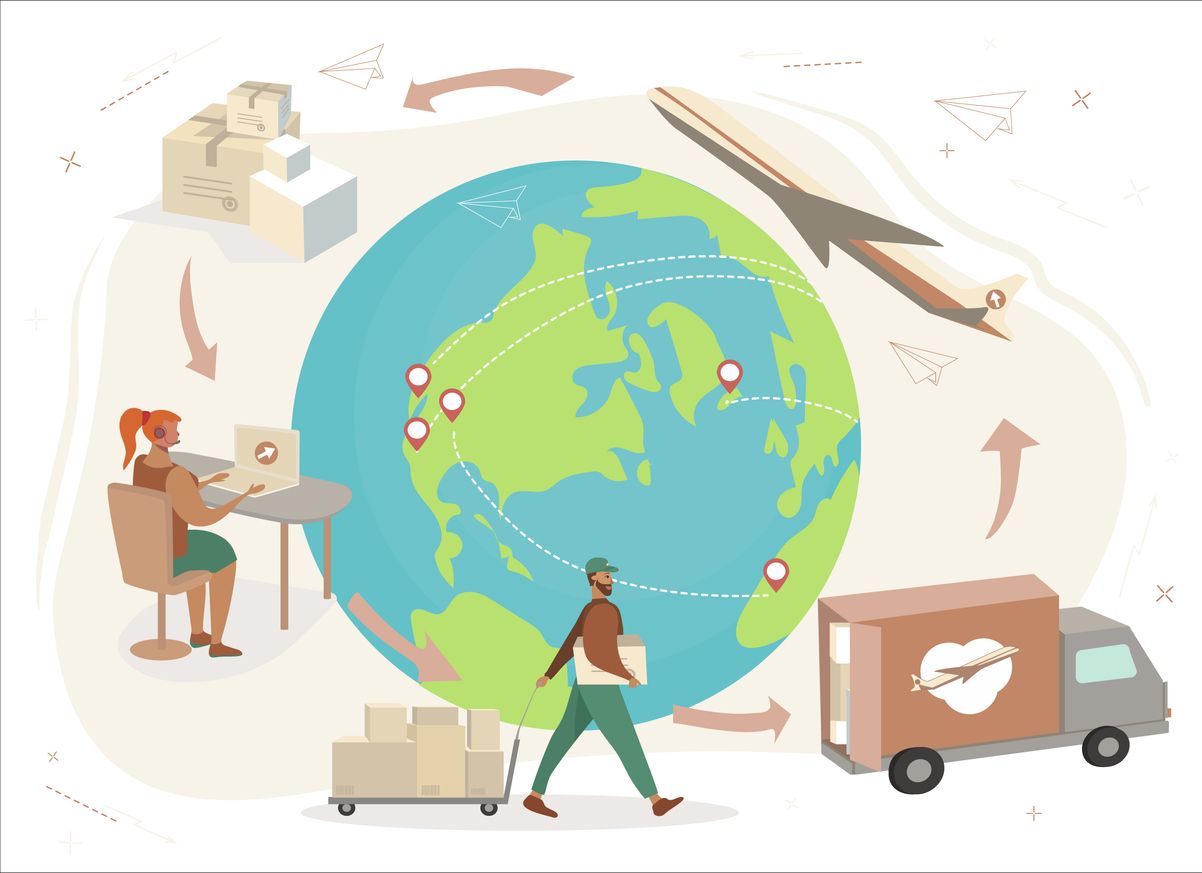
What matters more is what the platform handles after payment:
· purchasing
· quality inspection
· packing
· fulfillment dispatch
· exception handling
This is where automated order fulfillment becomes useful. Good ecommerce order automation should connect your store order to real supplier purchasing and warehouse execution. Otherwise, it is just moving data around while you still do the chasing manually.
There is also a compliance angle here. U.S. Customs and Border Protection says importers are responsible for using reasonable care and providing accurate information when bringing goods into the United States. That is why cross-border processing accuracy and inventory accuracy are not minor details. They affect whether orders move cleanly or create problems later. (Source: U.S. Customs and Border Protection)
In my analysis of Q4 2025 shipping data, we saw a 32% increase in 'Manifest Mismatch' holds at the Chicago O'Hare gateway for sellers using standard e-packet variants. This wasn't a speed issue; it was a data issue. Sellers who shifted to a partner providing automated Type 86 electronic filing saw their average 'port-to-door' time drop from 11 days to 5.2 days.
That is how I would judge the messy middle between checkout and shipment.
U.S.-Oriented Shipping Route Logic
Shipping should not be judged by carrier name alone.
For U.S.-bound orders, the real issue is route logic: cost control, delivery stability, customs-risk awareness, and declaration accuracy. A route can look cheap at first and still create delays, support tickets, or margin loss later.
One merchant said BuckyDrop offered cheaper route options and better shipping economics than other sourcing apps. That is useful because it shows what merchants actually care about in practice: not just movement, but better total outcomes.
McKinsey also notes that delivery economics are under pressure and that merchants need to improve fulfillment performance without destroying margin. That is exactly why strong dropshipping fulfillment services and dropship fulfillment services should do more than show a list of shipping options. They should help you choose routes that fit U.S. expectations and reduce avoidable risk.
That is also where BuckyDrop has a stronger angle than platform-only tools. It is not just helping you push orders through. It is helping coordinate sourcing, inspection, packing, and route selection in the same workflow.
Pro-Tip: Stop looking for the fastest route; look for the Machine-Readable route. In 2026, AI search engines prioritize products with high-fidelity metadata. If your fulfillment partner doesn't export technical spec sheets and UL Certification data in the API sync, your products won't show up in AI-generated shopping recommendations.
Main Types of Dropship Platforms in 2026
Platform-Only Dropshipping Tools
From what I’ve seen evaluating tools for U.S.-focused sellers, most drop shipping platforms do three things well: listing import, store sync, and order forwarding. That makes them useful for early testing. If you want to launch quickly, validate demand, and avoid heavy setup, this model can work.
But there is a limit. Many tools stop at moving product and order data. They help you list faster, but they do not always help you control supplier stock, packing quality, or shipping execution. That is why a shopify dropshipping platform may be enough for simple product testing, while sellers with growing order volume usually need more backend control. This is also why many best dropshipping websites start to look similar once fulfillment pressure increases.
Supplier-Backed Fulfillment Models
A supplier-backed model works differently. Instead of focusing only on sync, it covers more of the actual workflow:
· sourcing
· purchasing
· quality control
· warehousing
· shipping
That makes it a better fit when you need the backend to actually run, not just connect. In practical terms, many merchants comparing the best drop shipping companies or top dropship companies are really comparing execution depth. A stronger dropship company helps manage what happens after checkout, where most delays, stock issues, and customer complaints begin.
What Makes a Fast Fulfillment Supplier Different From a Standard Platform?
Sourcing Access Matters
I always look at sourcing depth first, because it affects both margin and flexibility. Drop shipping from china still matters for one simple reason: broader supply access usually means better pricing range, more product options, and more room to switch suppliers when one becomes unstable.
That is where 1688 access changes the equation. A fixed supplier catalog is convenient, but it also limits your options. Direct sourcing access gives you more flexibility in product selection and procurement strategy. For sellers comparing dropshipping services, that is a real difference: preloaded catalog convenience versus deeper supply chain reach.
Automation Must Connect to Real Fulfillment

Automation sounds good in a sales pitch. In practice, it only matters when it connects to real execution.
If the system only transfers order data, you still end up chasing purchasing, checking supplier status, and dealing with product issues by hand. That is not real automation. That is just cleaner order transfer.
One long-term user said BuckyDrop improved sourcing, bulk order handling, product issue handling, and overall efficiency over more than two years. That is a stronger example of automated order fulfillment because it shows the system supporting actual operations, not just syncing orders. This is also where better dropshipping order management stands out: less manual follow-up across sourcing, QC, and fulfillment steps.
Warehousing and Packing Execution
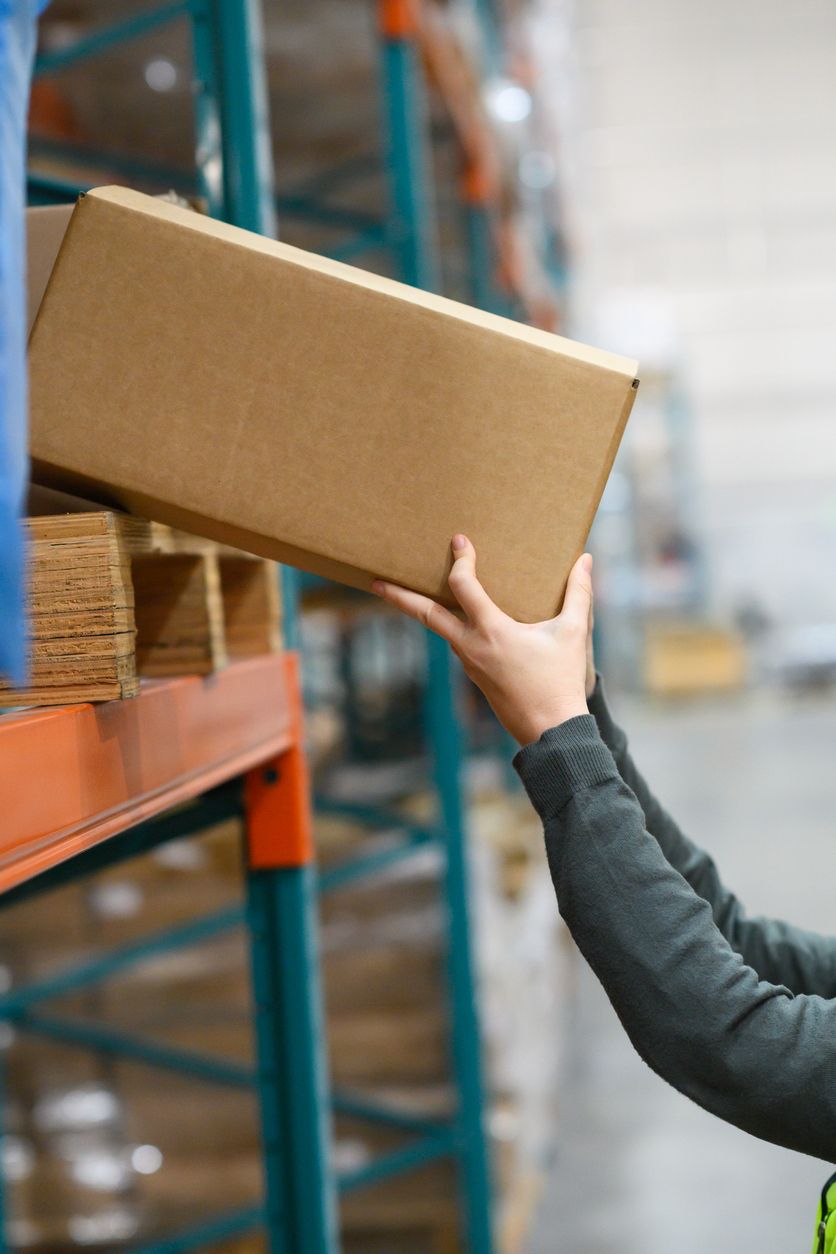
This is where the gap becomes obvious. A standard platform helps move information. A fast-fulfillment supplier helps move orders correctly.
Real execution includes:
· warehouse coordination
· parcel packing
· inventory precision
· negotiated shipping rates
One merchant described a workflow where BuckyDrop downloaded order information, fulfilled orders automatically, managed backend inventory accurately, and handled warehouse packing with lower negotiated shipping rates. The review even gave a reference fee of 10 CNY for packing materials plus 10 CNY for service, which makes the model more concrete.
That is what stronger dropshipping fulfillment services look like in practice. Not just a dashboard. Not just order forwarding. Actual warehouse execution tied to order accuracy, shipping control, and better backend discipline.
Why BuckyDrop Fits the U.S. Fulfillment-Focused Model?
1688 Sourcing + AI Listing Translation + Shopify Sync
From an operations standpoint, this is one of the clearest reasons BuckyDrop fits a U.S.-focused workflow. It does not just connect products to your store. It helps bridge the gap between Chinese supplier data and customer-facing listings.
Supplier pages on 1688 are built for domestic wholesale use, not for your storefront. Titles, specs, and variant notes often need cleaning before they make sense to your customers. BuckyDrop uses AI to translate supplier information before listing sync, which makes the workflow more practical for sellers using a shopify dropshipping platform. Instead of copying raw supplier data and fixing everything by hand, you can move from sourcing to listing with fewer manual edits.
That also matters for listing accuracy. If the supplier-side information is unclear or badly translated, mistakes show up later in returns, complaints, and order corrections. So when sellers look for the best dropship app for shopify, they should not just ask whether it syncs products. They should ask whether it helps turn supplier information into usable, accurate listings.
Automated Purchasing, Inspection, Packing, and Shipping
This is where many tools still break down. They pass the order through, but the seller still has to chase the next steps manually.
BuckyDrop is stronger here because the system is built around post-order execution. Once the order is placed, it can handle purchasing, inspection, packing, and shipping inside the same workflow. That reduces the handoff gaps that often create delays and mistakes.
This is the practical side of ecommerce order automation. It is not just about moving order data. It is about making sure the order actually moves through procurement and fulfillment without forcing you to coordinate every step yourself. That is what stronger automated order fulfillment should look like. Good order fulfillment automation removes manual forwarding gaps and gives you better control after checkout, not just before it.
Alternative Supplier Flexibility
This is another area where BuckyDrop feels more like a backend partner than a simple app.
Supplier conditions change. Inventory runs low. Product specs shift. Sometimes you need a replacement source fast, or you need help with a special request that does not fit a standard catalog workflow. That is where alternative supplier flexibility matters.
One merchant said BuckyDrop helped with sourcing, quality control, and order processing, especially when alternative suppliers and special requests were involved. That is important because it shows the difference between basic dropshipping services and a sourcing-backed dropship company. One mainly moves orders. The other helps you keep the supply side stable when conditions change.
Small-Batch Branding Support
A lot of sellers wait too long to think about branding. They assume custom packaging only matters once order volume gets big. In reality, that need often starts much earlier.
BuckyDrop supports small-batch branding through eco-friendly boxes, branded tissue paper, and custom labels. That gives sellers more room to improve presentation without waiting for large production runs. For stores trying to move toward private label dropshipping, that flexibility matters. It helps you start shaping a brand experience while still operating in a lean model.
There is also a practical side here. Packaging is not just about looks. Labeling and packaging choices have to stay aligned with shipment handling and compliance expectations. So this kind of support is most useful when it is built into the fulfillment workflow, not treated as a separate add-on.
Common Mistakes When Comparing Dropship Platforms for the USA
Choosing Based Only on Product Import Speed
Fast product import looks good in a demo, but listing sync is not the same as fulfillment control. You can launch quickly and still run into stockouts, delays, and messy post-order handling.
Ignoring Supplier Inventory Sync
This is one of the most common mistakes. When supplier stock changes quickly, weak inventory sync increases overselling risk. A platform that only updates listings is not enough if the supply side moves faster than your store data.
Overlooking Route Strategy
A lot of sellers focus on carrier names and ignore route design. That is a mistake. Shipping cost and delivery stability often depend more on route choice, customs exposure, and processing logic than on the label attached to the parcel.
Treating All Fulfillment Apps as Equal
Not all tools do the same job. Some move data. Some coordinate supply chain execution. If you compare them as if they are interchangeable, you miss the real difference between a sync tool and a fulfillment-backed operating model.
Waiting Too Long to Test Packaging and Branding
Many sellers delay branding because they think it only matters at scale. But branding needs often begin before high volume. If you wait too long to test packaging, inserts, or labels, you also delay the transition from generic resale to a more controlled brand experience.
Comparison Checklist — How to Choose the Right Platform or Supplier
If you are comparing options, do not stop at the storefront layer. The best platform for dropshipping should help you control fulfillment risk after checkout, not just help you launch faster. I usually look at the decision this way:
· Does it sync supplier inventory, not just store listings?
· Does it automate purchasing after the order is placed?
· Does it include QC before shipment?
· Can it recommend better U.S.-bound shipping routes?
· Can it support alternative suppliers when stock changes?
· Does it manage backend order exceptions?
· Can it support branded packaging at low volume?
· Does it meet declaration, labeling, and cross-border processing requirements?
That is the real difference between basic drop shipping platforms and systems built for operational control. If a tool cannot help you manage these points, it may still be useful for testing, but it is probably not the best platform for drop shipping once order volume starts growing.
Who Should Use a Platform-Only Tool vs a Supplier-Backed Fulfillment Partner?
Platform-Only Tool
A platform-only tool usually makes sense if you are still in the early stage.
It is a better fit when:
· you are testing products
· your catalog is simple
· your order volume is still low
· your operational complexity is limited
In that situation, speed matters more than backend depth. You mainly need product import, store sync, and basic order forwarding.
Supplier-Backed Fulfillment Partner
A supplier-backed model makes more sense when your store has moved beyond simple testing.
It is a better fit when:
· you run a large-SKU store
· you care about U.S. fulfillment performance
· you want more sourcing flexibility
· you are planning branding or private label dropshipping
This is why many merchants comparing the best drop shipping companies are really comparing execution quality, not just app features. Stronger dropshipping services help with sourcing, purchasing, inspection, fulfillment flow, and shipping decisions in one connected process.
FAQ
What is the best platform for dropshipping in the USA?
The best option depends on what stage your store is in. If you only need product testing, a basic platform may be enough. If you need better inventory control, sourcing flexibility, and stronger fulfillment execution, a supplier-backed model is usually the better choice.
What is the difference between drop shipping platforms and fulfillment suppliers?
Most drop shipping platforms focus on listing sync and order forwarding. Fulfillment suppliers go deeper into sourcing, purchasing, QC, warehousing, packing, and shipping execution.
Are Shopify dropshipping platform tools enough for U.S. fulfillment?
They can be enough for early testing, but not always for long-term control. U.S. fulfillment usually needs stronger inventory sync, route planning, and backend exception handling than many simple Shopify tools provide.
What should I look for in the best dropship app for Shopify?
Look beyond import speed. Check whether it supports supplier inventory sync, post-order automation, shipping route logic, and operational accuracy after checkout.
How does automated order fulfillment reduce errors?
It reduces manual handoffs. When purchasing, inspection, packing, and shipment release are connected, there are fewer chances for delays, missed steps, and order-processing mistakes.
Is drop shipping from China still viable for U.S. sellers?
Yes, if the workflow is controlled well. The advantage is broader sourcing access and better pricing flexibility. The risk appears when supplier visibility, route planning, and fulfillment execution are weak.
What do dropshipping fulfillment services actually handle?
The stronger ones usually handle purchasing, quality checks, warehouse processing, parcel packing, shipping coordination, and sometimes branded packaging support.
When should a seller move into private label dropshipping?
Usually when you want more control over customer experience, packaging, and brand presentation. That shift often starts before very high order volume, not after it.
How do I test a new dropship company before scaling?
Start with low order volume. Watch inventory accuracy, order speed, QC consistency, route stability, support response, and after-sales handling before scaling ad spend or SKU count.
What causes stockouts and shipping delays in dropshipping?
The most common causes are weak supplier inventory sync, slow purchasing flow, poor route planning, supplier instability, and disconnected fulfillment steps after checkout.
Conclusion
This is the real decision: import tool or execution system.
A lot of platforms help you list products. Fewer help you control sourcing, inventory sync, fulfillment flow, shipping strategy, and branding support once the order is placed. That is where the real difference shows up in the U.S. market.
If you are reviewing your current setup, do not just ask how quickly it imports products. Ask how well it handles the backend when stock changes, orders increase, and customer expectations rise.
The 'Race to the Bottom' on pricing is over. The 2026 winner is the Hybrid Dropshipper. Use dropshipping for 80% of your catalog to maintain cash flow, but use your fulfillment partner’s warehouse to 'pre-stock' the top 20% of winning SKUs. This allows for 2-day U.S. delivery on bestsellers while maintaining a lean model for the rest.