Best Dropshipping Products to Sell During the 2026 World Cup

Quick Verdict
If your bottleneck is fast design testing, start with print-on-demand. If your campaign depends on confirmed domestic two-day delivery, a North American warehouse or local supplier may be a better fit. If the hard part is China sourcing, supplier follow-up, QC, custom packaging, inventory updates, order sync, and tracking return, BuckyDrop may be worth testing.
For 2026 World Cup dropshipping, the safer strategy is not “sell anything with a soccer ball on it.” Test products that are lightweight, visual, easy to bundle, lower-risk from an IP standpoint, and useful after the tournament.
Avoid unauthorized use of FIFA marks, official tournament logos, team marks, player names, mascots, and designs that could create confusion with licensed merchandise. FIFA’s World Cup 26 IP Guidelines state that only FIFA Rights Holders are permitted to use official intellectual property for commercial purposes.
Why the 2026 World Cup Is a Real Ecommerce Moment

A World Cup product does not fail only because the design is bad. It fails when the customer buys it for a specific match and the tracking does not move.
The 2026 FIFA World Cup is being hosted across the United States, Canada, and Mexico, with 48 teams and 104 matches. For U.S. and Canadian Shopify or WooCommerce sellers, that makes the event more local than a normal international tournament. Fans will be watching in familiar time zones, hosting parties, traveling to games and fan events, and buying products around match-day identity.
That also raises the operational standard. A TikTok ad can sell a country-color shirt, a patio watch-party kit, or a pet fan bandana in a weekend. But if the supplier runs out of stock, the SKU variant is wrong, or tracking returns too late, the campaign can turn into “Where is my order?” tickets, refund requests, PayPal disputes, and Shopify chargebacks.
For North American buyers, tracking expectations are shaped by USPS, UPS, FedEx, Amazon-like updates, and local carrier handoffs. Canadian buyers may also face different delivery windows, taxes, and carrier expectations. The product opportunity is real, but the fulfillment window is unforgiving.
What Are World Cup Dropshipping Products?

World Cup dropshipping products are event-driven items that fans buy around match viewing, travel, gifting, team support, home parties, youth soccer, and social content. The category can include apparel, drinkware, flags, décor, phone accessories, pet products, training gear, and branded bundles.
The key is timing. A customer buying a watch-party product does not want it after the match they cared about. A customer buying a shirt for a knockout game may not want it once their team is eliminated. Products tied to a single country, player, or official-looking design carry more risk than products tied to broader soccer culture, summer viewing, backyard games, family photos, and fan hosting.
The categories worth testing are usually lightweight, visual, easy to bundle, hard to mis-size, and still useful after the final. A cooler bag, tumbler, pet bandana, grip socks, folding seat, portable fan, or mini training kit can be repositioned after the event. A low-quality fake jersey cannot.
How We Evaluated Product Categories
We evaluated each product category using operator-level criteria, not just search volume or social media hype.
Evaluation Factor | What to Check |
Demand trigger | Is the product tied to watch parties, fan identity, travel, gifting, youth soccer, or summer viewing? |
IP risk | Does it avoid official FIFA marks, tournament logos, protected team marks, and player likenesses unless licensed? |
Shipping profile | Is it lightweight, compact, and unlikely to break? |
Variant complexity | Are sizes, colors, countries, designs, and bundles manageable? |
Supplier-side visibility | Can you confirm stock before increasing ad spend? |
Fulfillment workflow | Can orders sync, inventory update, procurement happen, QC complete, and tracking return to the store? |
Dispute readiness | Can you provide clean tracking and order records if a dispute or chargeback happens? |
Post-event value | Can the product continue selling after the tournament as a soccer, summer, party, gift, or family product? |
Shopify’s own dropshipping product guidance points sellers toward categories such as apparel, home décor, pet supplies, phone accessories, and outdoor products. For this article, those categories were filtered through event timing, IP risk, and fulfillment difficulty.
Sellers comparing research and sourcing workflows can also review BuckyDrop’s guide to product sourcing tools.
When Small Businesses Need a Better Fulfillment Setup
The following thresholds are operator guidelines, not third-party industry benchmarks.
If you are selling 0–100 orders per month, you can usually test products manually. You still need clean supplier communication, but you may not need a full sourcing and fulfillment workflow.
Around 100–500 orders per month, manual order copying starts to create risk. A few wrong variants, late tracking numbers, or supplier stock surprises can create refund tickets.
At 500–1,000 orders per month, supplier-side visibility becomes more important than product discovery. If your team spends more than 20% of the workday checking stock, messaging suppliers, copying tracking numbers, and answering fulfillment tickets, your margin is being eaten by admin labor.
At roughly 1,000+ orders per month, sellers should strongly consider a documented fulfillment workflow: SKU matching, procurement rules, QC instructions, packaging standards, exception handling, and support response expectations.
Comparison Table
Software / Solution | Best For | Main Strength | Main Limitation | Best Fit |
Print-on-demand platform | Fast apparel design tests | Low inventory risk and fast creative iteration | Limited packaging control and narrower product range | Sellers testing slogans, shirts, and simple designs |
North American supplier or local warehouse | Delivery-sensitive campaigns | Better fit for confirmed domestic delivery expectations | Smaller product selection and potentially higher unit cost | Sellers promising short local delivery windows |
Shipping label software | Sellers already holding inventory | Helps manage labels and carrier workflows | Does not solve sourcing, QC, or supplier stock | Stores with existing U.S./Canada inventory |
Generic marketplace dropshipping | Early product discovery | Large catalog and fast testing | Quality, tracking, and supplier visibility can vary | Beginners testing low-risk products |
BuckyDrop | China sourcing, QC, packaging, and automated fulfillment | Sourcing-to-fulfillment workflow, order sync, inventory updates, QC, branded packaging options | Not a shortcut for licensed merchandise, weak offers, or confirmed domestic two-day delivery | Shopify/WooCommerce sellers needing supplier-side workflow control |
Manual supplier management | Very small tests | Low software dependency | Hard to scale during event spikes | Sellers under 100 orders/month with simple SKUs |
Best Dropshipping Products to Sell During the 2026 World Cup
1. Original Country-Color Fan Apparel
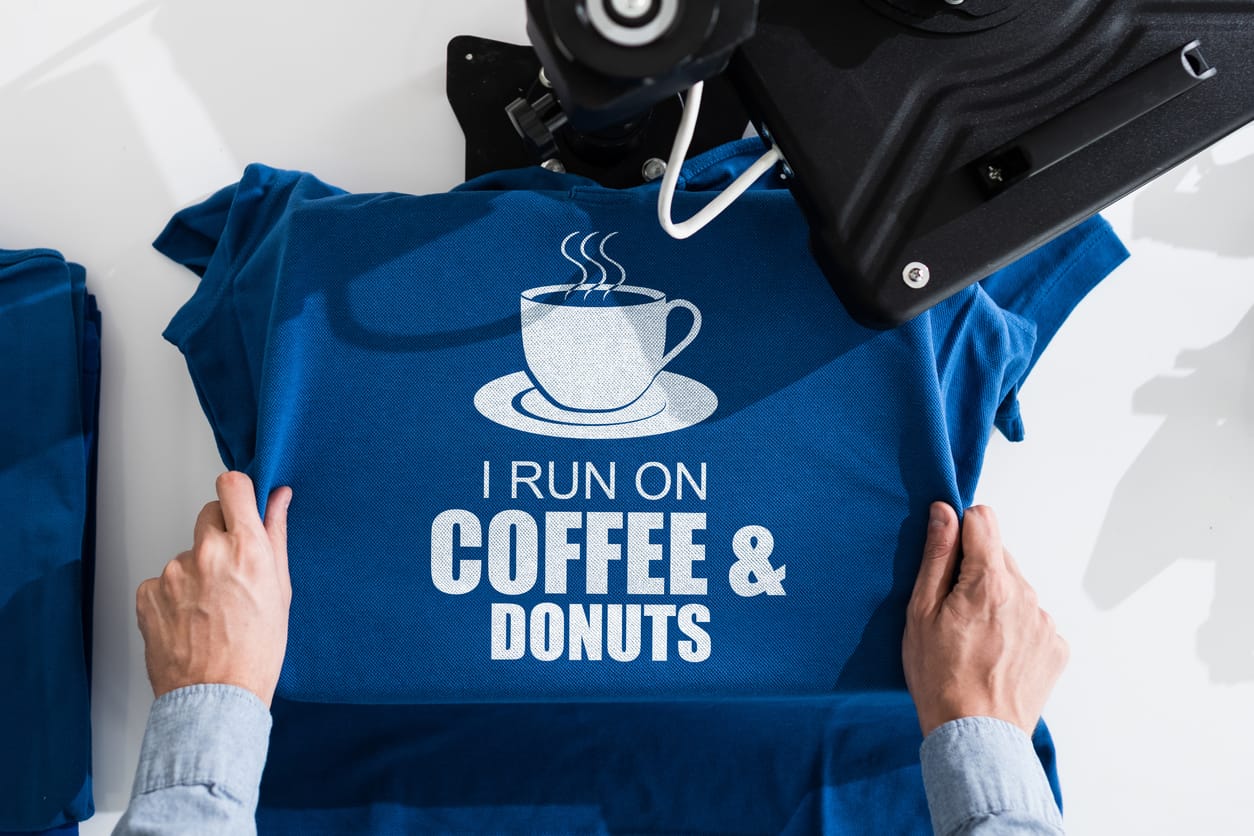
Apparel is the obvious starting point, but it is also where sellers create the most risk. T-shirts, caps, lightweight hoodies, socks, and scarves can work when the designs are original. Avoid official crests, event logos, federation marks, player names, or anything that looks licensed when it is not.
For a deeper supplier view, see BuckyDrop’s guide to custom apparel dropshipping and its breakdown of dropshipping t shirts.
A clean product test should include fabric feel, print quality, sizing variance, wash performance, and packaging. Do not scale apparel ads until you have handled real samples and real orders.
2. Watch-Party Drinkware and Snack Accessories
Tumblers, reusable cups, insulated sleeves, bottle openers, snack trays, and coaster sets fit the North American viewing habit: friends, food, drinks, and the TV on before kickoff.
This category usually works better as a bundle because the customer is buying a match-day setup, not a single plastic cup. If you source drinkware, check food-contact material claims, lid fit, coating quality, leakage, smell, and packaging protection. A clean supplier photo does not prove export quality.
3. Flags, Banners, Wall Décor, and Room Kits
Flags and banners are classic fan products, but quality issues show up quickly: thin fabric, blurry print, weak stitching, color mismatch, and cheap grommets.
The safer angle is original room décor: color-themed pennants, soccer-pattern banners, “match night” wall signs, and LED room kits. Keep SKU variants under control. A catalog with dozens of country-color options can become a variant-matching problem if supplier naming is inconsistent.
4. Soccer Training Gear for Kids and Casual Players
Mini cones, agility ladders, ball pumps, grip socks, small goal accessories, goalkeeper gloves, and drawstring gear bags can sell before, during, and after the tournament. Parents often buy these when kids get excited watching international matches.
Start with compact accessories before moving into bulky training equipment. Check packaging dimensions because dimensional weight can change the economics. Also check safety, material quality, and durability before running family-focused ads.
5. Phone, Camera, and Match-Day Content Accessories
Fans will record reactions, food spreads, backyard games, bar celebrations, and outfit checks. Phone tripods, grips, magnetic mounts, mini ring lights, sling bags, clear pouches, and compact power banks can ride that behavior.
The problem is that every seller can source the same tripod or ring light. The product page needs a real match-day use case: recording a penalty shootout reaction, filming a backyard skills challenge, or setting up a patio watch-party livestream.
6. Pet and Baby Fan Accessories

Pet bandanas, small scarves, baby bibs, toddler tees, stroller fans, and family photo props are highly shareable. They work especially well for gift buyers and family-oriented stores.
Safety matters more than cuteness. If you cannot verify sizing, fasteners, fabric softness, washability, and choking-hazard risk, do not put it in a pet or baby campaign.
7. Travel and Fan Comfort Products
Cooling towels, compact umbrellas, foldable seat cushions, portable fans, clear bags, waterproof pouches, and reusable bottles can work for outdoor events, patio viewing, travel days, and city fan gatherings.
Do not claim a product is stadium-approved unless you verify the exact venue policy. A safer product page says: “Check your venue’s bag and item policy before attending.”
8. Branded Gift Bundles
Some of the more defensible World Cup products are bundles: a watch-party kit, youth soccer starter kit, pet photo kit, backyard match kit, or travel comfort kit.
Bundles can increase perceived value without relying on protected marks. They also create room for inserts, thank-you cards, branded packaging, and repeat-purchase offers. Sellers moving toward branded kits should review the operational tradeoffs of private label dropshipping.
How to Choose the Right Product and Fulfillment Platform
Start with sales channel integration. If your store runs on Shopify or WooCommerce, test whether orders sync cleanly, customer addresses map correctly, and variants do not break during import.
Then look at inventory sync. During a tournament, the worst time to learn a supplier is out of stock is after your ad set starts converting. You need a workflow for stock updates, substitute approval, and out-of-stock handling.
Next, evaluate supplier and fulfillment workflow. Who purchases the product? Who checks it? Who rejects damaged items? Who updates tracking? WooCommerce’s own dropshipping documentation describes supplier notification workflows, which is a reminder that supplier records and order routing matter even before a store reaches high volume.
Shipping visibility is not just customer experience. Shopify’s chargeback guidance explains that sellers may need to submit evidence depending on the dispute type. PayPal’s seller dispute guidance notes that sellers may provide a shipping receipt or online tracking number when an order has shipped. Tracking does not guarantee a dispute outcome, but poor tracking makes the support process harder.
Finally, calculate real cost per fulfilled order:
Real fulfilled cost = product cost + procurement/admin cost + QC/processing + packaging + international shipping + payment fees + resends/returns + support labor.
Ad spend is separate. A product can have a healthy unit margin and still lose money if late tracking creates support tickets, refunds, or disputes.
BuckyDrop at a Glance
Field | BuckyDrop Fit |
Best for | Shopify, WooCommerce, BuckyShop, and API-connected sellers sourcing from Chinese marketplaces |
Not best for | Sellers needing licensed FIFA merchandise, confirmed domestic two-day delivery, or pure POD testing |
Core value | China sourcing, procurement, QC, warehousing, packaging, international shipping, inventory sync, and tracking return |
Strong categories to test | Apparel, accessories, pet products, home goods, branded packaging, custom labels, lightweight bundles |
Main use case | Moving supplier-side work into a more controlled sourcing-to-fulfillment workflow |
Key point to test | 10–20 real orders across multiple SKUs, variants, and destinations |
BuckyDrop is not a shortcut for weak product-market fit. It will not fix bad ads, unsafe products, unauthorized event merchandise, or unrealistic delivery promises.
Where it becomes relevant is after a seller has products worth testing and the bottleneck moves to operations: finding China suppliers, confirming stock, matching SKUs and variants, checking product quality, adding packaging instructions, routing fulfillment, and pushing tracking back to the store.
Based on public materials, BuckyDrop supports Shopify through its Shopify App Store listing and WooCommerce through its WordPress plugin listing. API and BuckyShop support are based on company-provided materials and should be verified before technical integration.
For sellers comparing Shopify automation options, BuckyDrop also publishes a guide to the best Shopify dropshipping apps.
Before vs. After Workflow
Before using a structured fulfillment workflow, a small ecommerce team often runs the World Cup product queue manually. A customer orders a shirt, a drinkware bundle, and a pet bandana. Someone copies the order, checks supplier stock, messages a sourcing contact, waits for a reply, confirms the variant, purchases the item, waits for tracking, pastes tracking back into the store, and answers the customer when the tracking does not move.
That process can work for a few orders. It breaks when a TikTok video hits, a team advances unexpectedly, or a Meta campaign starts converting faster than the supplier can respond.
After a better workflow, orders sync from the store, SKUs and variants match to sourcing records, inventory updates before ads scale, procurement starts without manual copying, QC catches obvious product or packaging issues, packing follows the seller’s instructions, tracking returns to Shopify or WooCommerce, and exceptions are monitored before the customer opens a ticket.
The practical benefit is fewer orders stuck in a manual queue and fewer support tickets asking where tracking is. Sellers reviewing China-based sourcing and fulfillment workflows can also read BuckyDrop’s guide to china fulfillment and its overview of dropshipping from China.
Who BuckyDrop Is Best For
BuckyDrop is most relevant for small ecommerce teams selling through Shopify or WooCommerce that want access to Chinese product supply but do not want to manage every supplier conversation manually.
It is a stronger fit for sellers testing branded accessories, apparel, packaging inserts, pet products, gift bundles, and other categories where QC and presentation matter. It also fits teams moving beyond early manual testing, especially if supplier follow-up, stock checking, order copying, and tracking updates are taking a meaningful part of the workday.
For World Cup selling, BuckyDrop makes the most sense when your product strategy depends on sourcing, inspection, branded handling, package processing, inventory updates, and tracking return—not when your only goal is to upload a design to a POD shirt.
What to Verify Before You Commit
Before moving a World Cup campaign into any fulfillment workflow, test 10 to 20 real orders across different products, variants, and shipping destinations.
Use the test batch to check whether orders sync correctly from Shopify or WooCommerce, whether SKU and variant matching works, whether supplier stock updates are visible before you scale ads, and whether tracking returns to the store in a timeframe customers can understand.
For products with packaging or branding instructions, check whether the actual package matches the approved instructions. For apparel, inspect sizing and print quality. For drinkware, inspect leakage, odor, coating, and protection. For pet and baby products, check safety risks before advertising.
Do not judge the test only by whether the package arrives. Measure the real cost per fulfilled order, the number of manual follow-ups your team still has to make, the quality of QC communication, the number of fulfillment exceptions, and how many customer support questions are created by the process.
Common Mistakes to Avoid
1. Selling fake official merchandise.
Do not use FIFA marks, official tournament logos, player names, team marks, mascots, or confusingly similar designs unless you have rights.
2. Choosing products only because they look viral.
A product can look good in a short video and still fail because it is fragile, oversized, unsafe, hard to restock, or expensive to ship.
3. Ignoring match-day delivery pressure.
Customers buying event products care about arrival timing. If shipping is uncertain, say so clearly and avoid overpromising.
4. Letting variants get out of control.
Country colors, sizes, designs, bundles, and languages can create SKU chaos. Start with a controlled catalog.
5. Scaling ads before confirming stock.
Supplier stock can disappear during event spikes. Check inventory sync and out-of-stock handling before increasing spend.
6. Treating tracking as an afterthought.Clean tracking and delivery records can support customer service and dispute response. They do not guarantee a dispute result, but they matter.
7. Skipping packaging checks.
World Cup products are often bought as gifts, party items, or family photo props. Cheap packaging can reduce perceived value and increase complaints.
8. Treating the tournament as the whole business.
Pick products that can be repositioned after the event: soccer training gear, summer party products, pet accessories, drinkware, phone accessories, and outdoor comfort items.
Real-World Use Cases
According to company-provided customer case materials, in a reported customer case involving a five-person Japanese fashion team, the team used branding services such as hang tag replacement, sewn logo work, thank-you cards, brand labels, clothing folding, and packaging. The reported result was a 20% increase in repurchase rate and a 5% reduction in return rate.
Results may vary depending on product quality, pricing, traffic source, shipping time, destination, packaging execution, and customer expectations. This should not be treated as a general guarantee.
For a World Cup seller, the lesson is not “branding always increases repurchase.” The lesson is that a generic product can become more defensible when the seller controls presentation, packaging, and the customer experience.
According to company-provided materials, a reported U.S. Shopify seller used BuckyDrop for long-term sourcing, warehousing, and package handling. The useful takeaway for event products is operational: reducing the daily burden of procurement and packing can give a small team more time to manage ads, product pages, and customer support.
According to company-provided materials, a reported Singapore independent seller used BuckyDrop to consolidate goods from Chinese platforms, customize packaging, and ship overseas through multiple logistics options. For World Cup bundles, this matters because a seller may need one workflow for apparel, accessories, party products, and branded inserts instead of messaging several suppliers separately.
Source: company-provided customer case materials.
FAQ
1. What are the best dropshipping products to sell during the 2026 World Cup?
The product categories worth testing include original country-color apparel, watch-party drinkware, room décor, soccer training gear, phone accessories, pet and baby fan items, travel comfort products, and branded bundles. Avoid unauthorized official merchandise.
2. Can I sell products with “World Cup” or FIFA logos?
Do not use official FIFA marks, tournament logos, mascots, official slogans, player names, or confusingly similar designs unless you have rights. Review FIFA’s World Cup 26 IP Guidelines and get legal advice if needed.
3. Is BuckyDrop only for Shopify?
No. Based on public materials, BuckyDrop has a Shopify App Store listing and a WooCommerce plugin listing. API and BuckyShop support are based on company-provided materials and should be verified before integration.
4. Is BuckyDrop better than a shipping label tool?
Not in every case. A shipping label tool is a better fit if you already hold inventory and only need carrier label management. BuckyDrop may make more sense if your bottleneck is China sourcing, procurement, QC, custom packaging, inventory updates, and tracking return.
5. Should I use POD or China sourcing for World Cup products?
Use POD for fast design testing and simple shirts. Use China sourcing when you need broader product selection, packaging options, QC, bundled products, or non-POD accessories. Many sellers use both.
6. How much does BuckyDrop cost?
Pricing may vary by product, sourcing service, packaging, inspection, storage, shipping route, and destination. Verify the real cost per fulfilled order before scaling.
7. What happens if a supplier runs out of stock?
You need a rule before launching ads: pause the SKU, approve a substitute, switch supplier, or refund. Test stock updates and out-of-stock handling before scaling.
8. Is branded packaging worth it for World Cup products?
It can be worth testing for bundles, gifts, apparel, pet products, and repeatable soccer lifestyle products. It may not be worth it for very low-ticket impulse items where packaging cost damages the margin.
9. What should I test before using a fulfillment platform for all orders?
Test 10 to 20 real orders. Check order sync speed, SKU matching, inventory updates, QC communication, packaging execution, tracking return, support response, and real cost per fulfilled order.
10. When should I stop selling event-specific products?
Stop scaling products that cannot arrive before the customer’s intended match date. Keep selling products that still make sense after the event, such as training gear, drinkware, pet accessories, phone accessories, and summer party products.
Sources
· FIFA World Cup 2026 official page
· FIFA World Cup 26 IP Guidelines
· Google Search Central: Creating helpful, reliable, people-first content
· Shopify: Dropshipping Products To Sell
· Shopify Help Center: Responding to chargebacks and inquiries
· PayPal: Dispute Resolution & Claims Management for Sellers
· WooCommerce Dropshipping Documentation
· BuckyDrop Shopify App Store listing
· BuckyDrop WooCommerce plugin listing
· Source: internal company materials
· Source: company-provided customer case materials
Final Recommendation + CTA
The best dropshipping products to sell during the 2026 World Cup are not necessarily the loudest or most obvious products. The better picks are lightweight, compliant, visual, easy to bundle, and still useful after the tournament.
Start with a small product mix: one apparel item, one watch-party bundle, one soccer training accessory, one phone or travel accessory, and one giftable pet or family item. Avoid protected marks. Keep variants under control. Confirm stock before increasing ad spend.
Pick three World Cup SKUs before you scale: one apparel item, one watch-party bundle, and one lightweight accessory. Connect your Shopify or WooCommerce store with BuckyDrop and run 10 to 20 real test orders.
Measure order sync speed, SKU matching, QC communication, packaging execution, tracking return, and real cost per fulfilled order. If the test batch creates fewer manual supplier follow-ups and gives you cleaner tracking visibility, then consider moving more event products into the workflow.