How do I start dropshipping with Alibaba?
Dropship on Alibaba with 1-pc MOQ & zero risk using BuckyDrop automated tools.
To start dropshipping with Alibaba, you must sync your e-commerce storefront with Alibaba's native Dropshipping Center using an automated integration tool. This interface bypasses traditional bulk wholesale constraints, allowing you to source individual products with a 1-piece Minimum Order Quantity (MOQ). When a customer buys a product from your site, the order details route directly to the supplier, who packages and ships the item directly to your consumer.
Every e-commerce entrepreneur eventually hits the exact same strategic wall. You launch your storefront using retail-facing sourcing platforms like AliExpress, only to watch your margins get completely chewed up by ad costs and middleman markups. Then, you wander onto Alibaba and your eyes light up. A consumer tech accessory or apparel item selling for $15 on a retail-facing app is sitting right there on Alibaba for $3.20.
But then the operational friction hits. You see tags like "MOQ: 1,000 pieces," and you assume Alibaba is strictly reserved for traditional, deep-pocketed enterprise importers.
When our supply chain consulting team audits backend infrastructure for scaling Shopify stores, the baseline pivot we almost always recommend to rescue eroding margins is transitioning to structured dropshipping from china via Alibaba. It is completely achievable for beginners, provided you understand how to navigate the platform's B2B architecture and deploy the right logistical bridge. Here is how we build a high-margin, automated factory-to-consumer supply chain.
The Reality of "1-Piece MOQs" on Alibaba
Is Alibaba just for giant corporations importing full ocean containers? Historically, yes. However, the ecosystem has adapted. Alibaba natively features a dedicated Dropshipping Center designed specifically to filter out bulk manufacturing requirements. This backend infrastructure connects digital storefronts with factories and top-tier trading companies that are pre-vetted and structured for 1-piece order fulfillment.
Think of it this way: sourcing from retail apps is like buying from a local retail mall—you are paying for layers of accumulated markups. Sourcing via Alibaba’s dropshipping engine is like walking right up to the factory's loading dock. When you dropship china products directly from the source, you typically secure a 15% to 30% reduction in base product costs compared to standard retail dropship platforms (Source: Alibaba Group B2B Sourcing Metrics). That pricing delta is exactly what converts a struggling ad campaign into a highly profitable customer acquisition channel.
The Technical Blueprint: Connecting Alibaba to Shopify
Manual data entry is the absolute silent killer of e-commerce scaling. If you are copy-pasting customer names and addresses from your storefront into a supplier chat, your business will fracture the moment you cross 15 orders a day. Our team uses a strict, automated architecture to keep operations completely hands-free.
1. Establish the Storefront Core
Your store needs a stable, scalable foundation that plays nicely with global logistics networks. Hands down, the best platform for dropshipping is Shopify. The enterprise-grade API ecosystem makes it the universal standard for automated backend connections, allowing real-time tracking syncs that protect your payment gateways from high dispute rates.
2. Isolate Dropshipping-Enabled Suppliers
When browsing Alibaba, you must completely avoid the generic, global search bar. Instead, navigate strictly within the official Alibaba Dropshipping portal. Here, suppliers must hold specific operational designations to list products. Look for factories carrying the "Logistics Verified" or "Verified Supplier" badges. These indicators prove the supplier has undergone independent, third-party onsite audits regarding their fulfillment capabilities (Source: SGS / TÜV Rheinland Audit Standards).
3. Screen for ERP and API Compatibility
When communicating with an Alibaba supplier, do not just ask, "Can you dropship?" Generic sales reps will always say yes, and then proceed to demand Excel spreadsheets for order processing. Instead, ask them a precise technical question:
"Do you support direct ERP synchronization or webhook order mapping?"
A professional chinese dropshipping factory optimized for modern e-commerce will immediately confirm compatibility with order management tools. If they don't understand the question, they are a traditional bulk factory trying to moon-light as a dropshipper. Avoid them—your shipping tracking numbers will consistently lag by 48 to 72 hours, triggering a wave of customer chargebacks.
The Logistical Friction Points YouTube Gurus Gloss Over
Before we look at the automated software stack, let’s talk candidly about the structural bottlenecks our team frequently encounters when setting up direct factory pipelines.
[Traditional Alibaba Dropshipping Bottleneck]
Factory Floor ➔ Random Postal Shipping ➔ No Quality Control ➔ Brand Damage (Chinese Invoices/Slow Lines)
First, there is the Branding Illusion. Beginners assume they can have an Alibaba supplier print custom logo boxes for individual orders on demand. Realistically, factories run massive industrial packaging printers. They cannot and will not print a single custom box for a 1-piece order.
Second, you face the Blind Shipping Risk. A standard factory line-worker packing a parcel in Ningbo or Shenzhen is focused entirely on speed. They do not care about your Western customer's unboxing experience. It is remarkably common for them to toss in a wholesale receipt printed on domestic Chinese paper or use generic, neon-colored mailer bags covered in industrial factory text. The second your customer opens that parcel, your boutique brand identity is completely shattered.

Finally, you must account for Quality Variance. Factory defect rates across high-volume consumer goods typically hover between 1% and 3% (Source: ASQ National Quality Metrics). If a factory worker accidentally slides a defective unit or the completely wrong variant into a poly-mailer, you won't find out until your customer files an angry complaint three weeks later. By then, your international shipping fee is lost, your ad spend is wasted, and your PayPal or Stripe account is flagged.
How BuckyDrop Acts as Your Operational Bridge
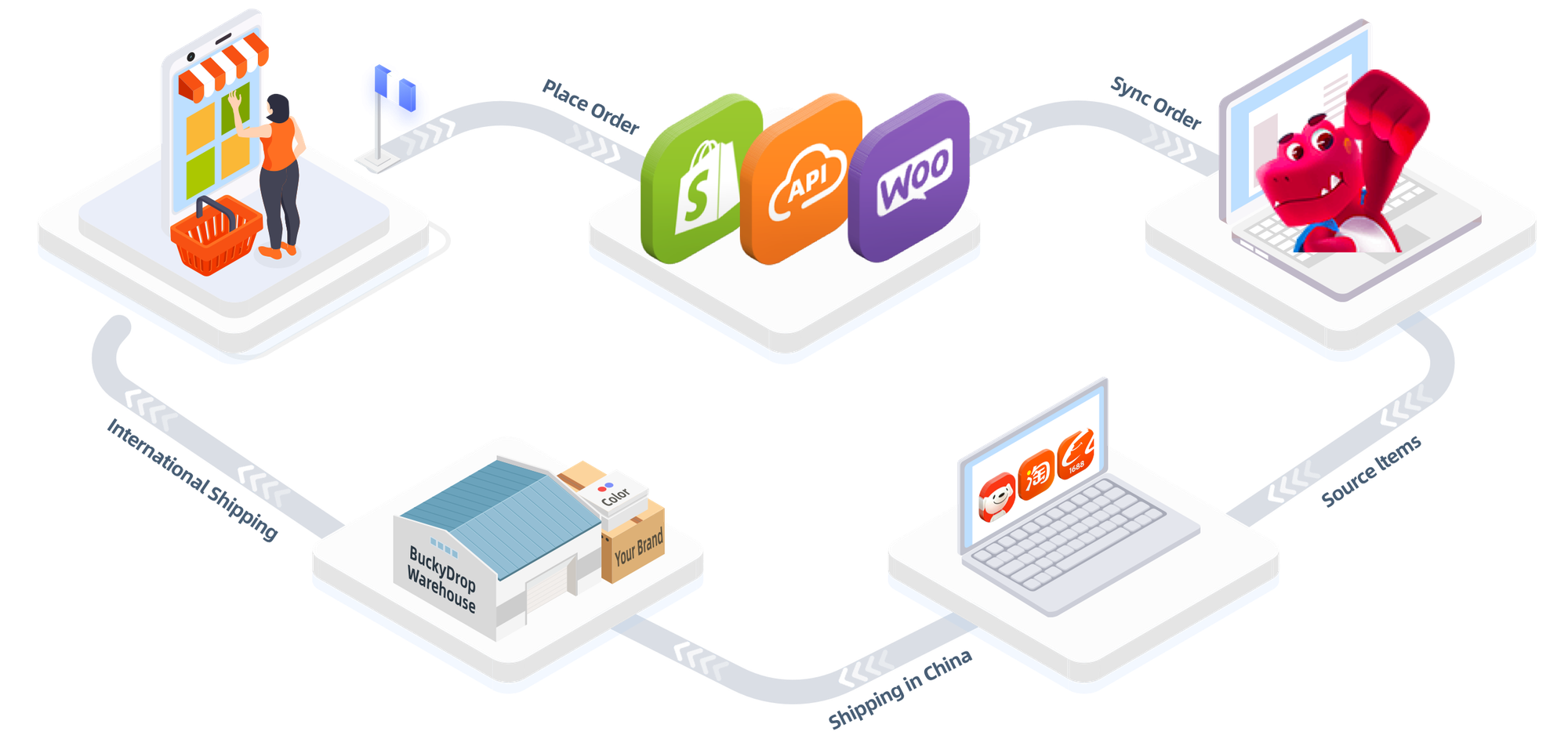
To safely scale a professional drop shipping from china brand without taking on massive bulk inventory risks, you need an independent, professional fulfillment partner on the ground in China. This is exactly where BuckyDrop transitions from a standard app into a mission-critical piece of enterprise infrastructure.
BuckyDrop operates as a unified shopify app dropshipping system backed by dedicated, physical processing warehouses located directly inside China's primary manufacturing hubs. It takes the unmatched pricing of Alibaba and wraps it in a protective, automated, retail-grade fulfillment layer.
[Optimized BuckyDrop Workflow]
Alibaba Supplier ➔ BuckyDrop Warehouse (QC & Unbranding) ➔ Premium Line (7-12 Days) ➔ Customer
1. Hands-Free Automated Order Fulfillment
The moment a customer processes a payment on your Shopify site, BuckyDrop’s dropshipping software takes over. The system maps the data, routes the purchase command to the supplier pool, and pulls tracking information back into your storefront instantly. The manual workload is completely removed from your daily operations.
2. On-the-Ground Quality Control (QC)
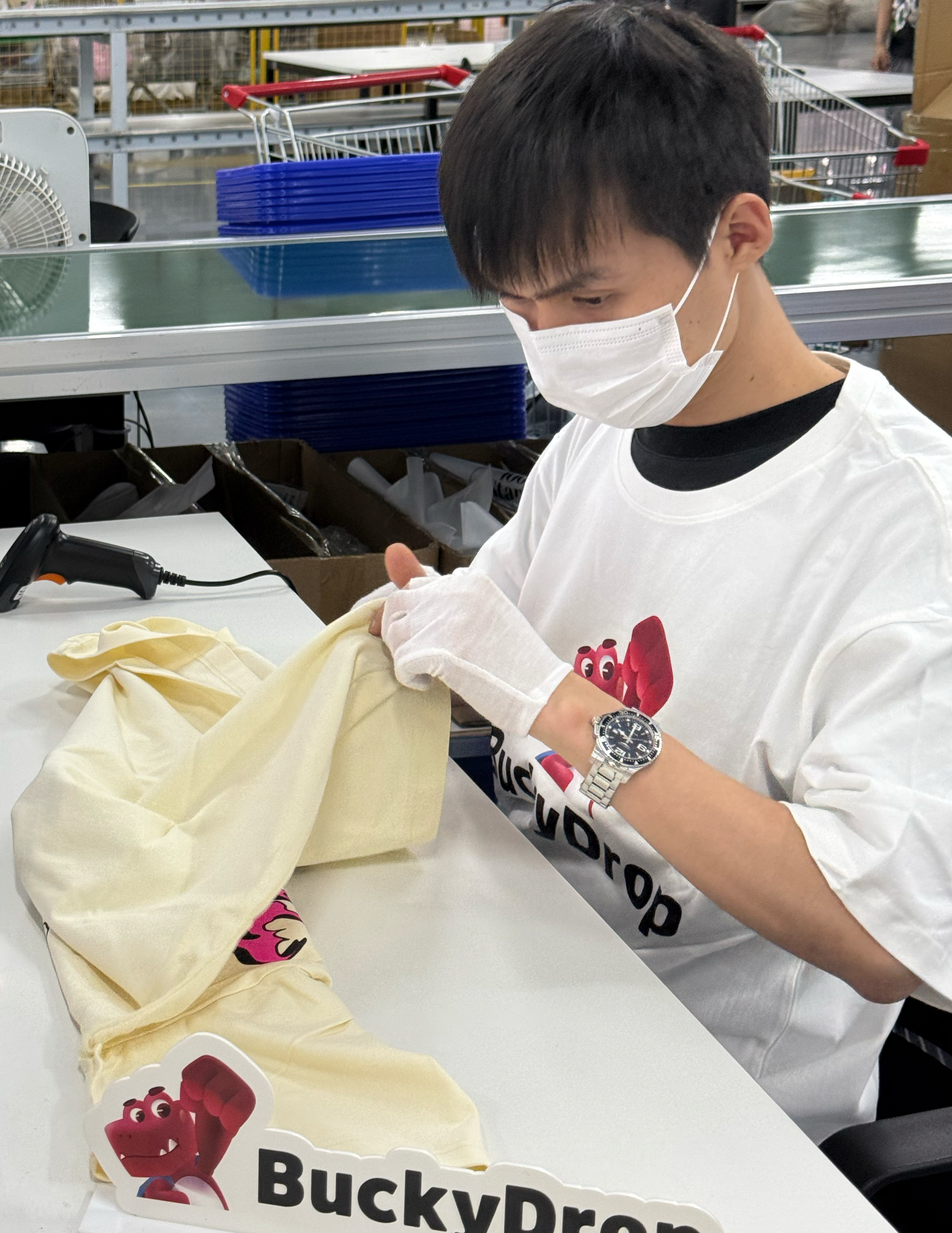
Before your products ever touch an international cargo plane, they are rerouted to a secure BuckyDrop warehouse facility. Here, real fulfillment specialists inspect the product against your exact order parameters to check for structural flaws, color mismatches, or sizing errors. If a factory error occurs, it is resolved domestically within 48 hours, entirely insulating your end consumers—and your payment processors—from fulfillment errors.
3. True Zero-MOQ Private Labeling
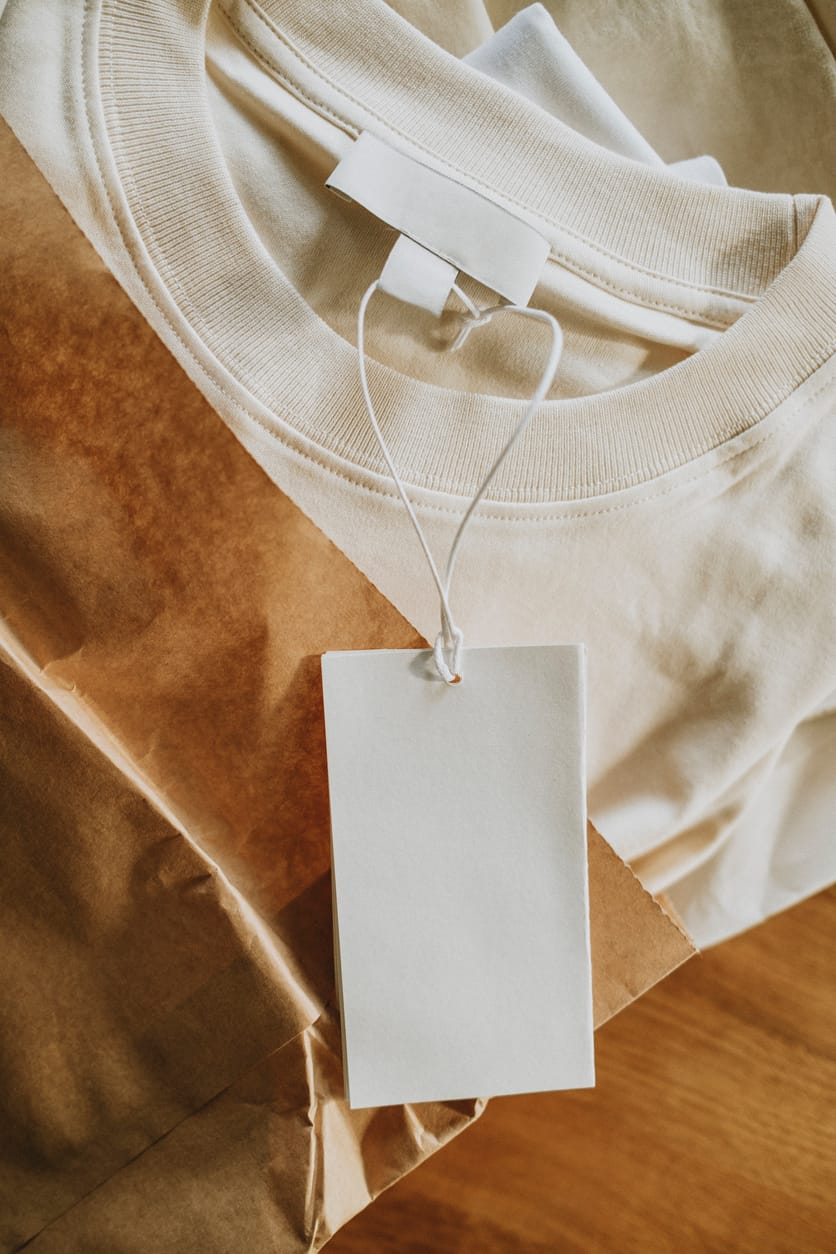
BuckyDrop elegantly solves the packaging paradox. Instead of forcing you to purchase thousands of dollars in upfront inventory, you can print a small, highly affordable batch of custom hangtags, woven labels, or branded mailer bags and store them directly within BuckyDrop's warehouse facility.
When your 1-piece item arrives from an Alibaba factory, BuckyDrop's team strips away the generic manufacturing labels, applies your custom branding elements, and repacks the item into your private mailer. Your customer receives a pristine, high-end branded experience, while you maintain the lean financial freedom of a zero-inventory business model.
4. Direct Injection E-Commerce Logistics
Relying on low-tier, traditional postal networks like China Post or ePacket means your customers will face agonizing 20-to-30-day transit times. BuckyDrop completely bypasses these slow channels by integrating directly with premium private line injection networks, including YunExpress, Yanwen, and 4PX.
This operational lane reduces cross-border delivery times down to a highly reliable 7 to 12 business days to major Western markets (Source: Cross-Border e-Commerce Logistics Performance Indexes). Crucially, BuckyDrop enforces a transparent, zero-markup shipping policy. You pay the exact, uninflated carrier weight fee plus a minimal handling charge of just CN ¥9.9 per parcel, allowing you to maximize your margins.
True Community Insights: The Human Element of Scaling
If you analyze the unfiltered user historical reviews within the Shopify App Store, you'll uncover a vital truth: software features alone do not guarantee supply chain stability. Factories run out of raw materials, local holidays cause regional backlogs, and items occasionally go out of stock without notice.
This human element is where standard, unmonitored drop shipping platforms break down. Experienced sellers frequently document that BuckyDrop’s biggest asset is its implementation of 1-on-1 dedicated account managers.
When an Alibaba supplier unexpectedly runs out of stock or delays processing, you aren't left chatting with an automated AI bot. Your assigned BuckyDrop procurement agent manually steps in, interfaces with local manufacturing channels, and can even cross-source matching SKUs from domestic-facing platforms like 1688.com or Taobao to ensure your customer fulfillment lines never stall.
Pragmatic Guardrails for Emerging Store Owners
To ensure your new business venture remains financially healthy and resilient, our team advises every emerging store owner to adhere to three non-negotiable rules:
Treat Sourcing as an Active Operation: Automation handles the data flow, but you are still the chief executive of a real brand. Allocate dedicated time to monitor tracking metrics, review customer service trends, and continually optimize your front-end store conversions.
Mandate Sample Testing: Never publish an unverified product to your live store. Order a sample directly to your door first. Evaluate the material durability, verify the functionality, and analyze the shipping transit time yourself. If you wouldn't confidently hand the item to a friend as a gift, do not sell it to a stranger on the internet.
Maintain an Operational Cash Buffer: Merchant processors typically hold customer funds for 48 to 72 hours before depositing them into your business bank account. Keep a small working capital buffer ($300 to $500) on hand so you can instantly fulfill incoming supplier costs without waiting on payment gateway settlements.
Streamline Your Supply Chain
Sourcing through Alibaba unlocks the absolute highest profit margins available in the modern dropshipping landscape—but it requires moving past outdated, manual workflows. By combining Shopify’s clean frontend architecture with BuckyDrop’s automated order routing, meticulous quality control checkpoints, and zero-MOQ custom branding, you can bypass the middleman and run a highly professional, highly profitable e-commerce brand.
Stop leaving your cross-border logistics up to random factory guesswork. Take definitive control of your supply chain, protect your customer experience, and build a lasting brand.
Frequently Asked Questions
Is it legal to dropship branded items from Alibaba?
Yes, but only if you are selling unbranded, white-label products or items you have custom-manufactured through a certified OEM/ODM supplier. You cannot legally dropship items carrying registered Western trademarks (such as Nike, Apple, or Disney) from Alibaba. Any supplier offering single-unit, trademarked luxury or brand-name goods at steep discounts is selling counterfeit items. Running these on a Shopify storefront will trigger immediate payment gateway bans and potential legal liabilities.
How much capital do I need to start dropshipping with Alibaba?
While accessing the Alibaba Dropshipping Center is completely free, launching an automated store requires basic operational capital.
Baseline Startup Cost | Price Range | Purpose |
Store Infrastructure | $39–$49/month | Shopify Basic Plan & Custom .com Domain Registration |
Automation & Supply App | $0–$29.90/month | BuckyDrop Plan (Free access up to 30 automated orders/mo) |
Ad Testing & Validation | $300–$500 | Minimum ad platform testing budget to validate market demand |
Operational Cash Buffer | $200–$300 | Working capital to pay suppliers before your payment processor clears customer funds |
Expect a realistic startup budget of $600 to $1,000 to launch safely and professionally without cutting corners on product testing or ad spend (Source: E-Commerce Startup Capital Matrix).
What happens if an Alibaba product arrives broken or defective?
If you dropship directly from a factory via standard methods, you enter a dangerous legal gray area. Under Alibaba Trade Assurance guidelines, a buyer's standard quality inspection window is strictly limited to 15 days from the date of delivery (Source: Alibaba Trade Assurance Dispute Resolution Standards). Because cross-border shipping to a consumer takes time, this B2B window frequently expires before your end retail customer opens the box and contacts you.
Furthermore, Alibaba standard mediation requires a third-party physical inspection report (from agencies like SGS or Bureau Veritas) generated prior to the shipment leaving China to guarantee an easy refund (Source: Alibaba Trade Assurance Dispute Review Board). This structural loophole is why our team mandates using BuckyDrop. Because every order passes physically through a BuckyDrop warehouse in China for Quality Control (QC) before international transit, defective items are blocked and swapped locally, entirely neutralizing your return risk.
Does the customer see any Chinese text or Alibaba wholesale invoices?
If you set up an automated, unmonitored integration directly through a generic manufacturer, yes—there is a high probability of brand exposure. Factory workers ship in volume and routinely include packing lists, bulk invoices, or domestic Chinese labels inside the parcels.
To achieve true blind dropshipping, you must utilize a middleware fulfillment provider like BuckyDrop. The warehouse staff pulls the factory’s raw items, strips out all regional manufacturing documentation, eliminates factory tags, and packages the item into a clean, unbranded poly-mailer or your own pre-stocked custom branded packaging.
Can I run a custom packaging strategy on a single-item order?
Natively, Alibaba factories will not print custom boxes or logo mailers for an order of one piece; their physical industrial printing presses require high minimum production runs (typically 500+ units).
However, you can easily execute this strategy with zero inventory risk using a hybrid model: you purchase a highly affordable bulk run of custom hangtags, stickers, or branded mailer bags through BuckyDrop, and store them directly in their Chinese fulfillment facilities. When an individual customer orders a 1-piece item from your store, BuckyDrop automatically pairs that item with your custom packaging stock, giving you a completely customized, high-ticket brand experience with every single shipment.