Sourcing Agent vs Distributor: Which is Better for Your Supply Chain?
Sourcing Agent vs. Distributor: Which is better for dropshipping? Compare pricing, MOQ, and control. Learn how BuckyDrop automates your supply chain.
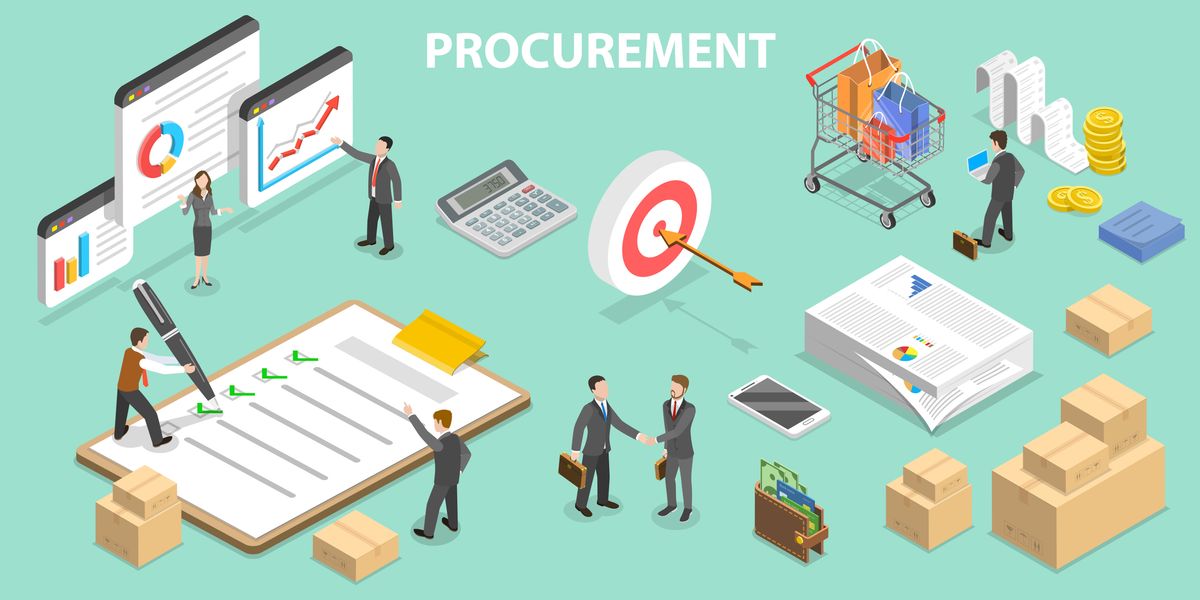
What happens when your supplier runs out of stock, your margins tighten, or fulfillment delays start piling up—does your current supply model help you adapt, or does it slow you down?
That question matters more than many sellers realize. In dropshipping from china, businesses often compare suppliers by unit price alone, assuming the lowest quote creates the best margin. While many sellers fixate on the lowest unit quote, the 'Hidden Landed Cost'—comprised of defect rates, storage overhead, and the cost of missed delivery windows—is what actually dictates your net margin.
For brands evaluating dropshipping services or looking for the best way to start dropshipping, the real comparison is not just product access. It is about business-stage fit, hidden operational costs, supplier flexibility, and workflow stability. This is especially true in drop shipping from china, where sourcing structure often determines whether growth stays manageable or becomes harder to control.
What Is the Difference Between a Sourcing Agent and a Distributor?
How a Distributor Model Works?
A distributor typically buys products in bulk from a manufacturer, holds or controls stock, and then resells those goods to retailers or other businesses. That structure can be faster for standard catalog purchasing because the inventory is already positioned for resale, which is one reason many sellers evaluating a drop shipping company or comparing the best drop shipping companies start there. Shopify’s wholesale guidance describes distributors as intermediaries that buy in volume and resell to other businesses, often while also handling storage and transportation (Source: Shopify). In practice, the trade-off is that upstream factory selection is often less transparent, so buyers may know the reseller but not the full sourcing logic behind the quote.
How a Sourcing Agent Model Works?

A sourcing agent works differently. Instead of mainly reselling from controlled stock, the agent helps buyers identify and compare suppliers based on product specifications, MOQ, target cost, and delivery requirements. That process usually includes inquiry management, quotation comparison, sampling, inspection coordination, and supplier switching when conditions change. A buying agent is generally defined as a party that purchases goods on behalf of another party, which fits the sourcing-agent model much more closely than the distributor model (Source: Wikipedia). For merchants using product sourcing tools and trying to build a more adaptable procurement structure, that distinction matters because the sourcing agent is designed around matching and execution flexibility rather than fixed catalog access.
From a standards perspective, the difference also shows up in execution requirements. In cross-border ecommerce, supplier matching is only useful if order data and inventory data stay aligned after the supplier is chosen. Shopify’s inventory documentation shows that inventory systems must track states such as on-hand, available, committed, and incoming, which is critical for preventing overselling when sourcing and fulfillment are connected across systems (Source: Shopify Help Center; Shopify Developers). On the compliance side, U.S. Customs and Border Protection requires detailed data submission through ACE for cross-border import processing, which means order flow accuracy is not just an operations issue but also a documentation requirement (Source: U.S. CBP).
When a Distributor Makes More Sense?
Best Fit for Standardized, Low-Variation Products
A distributor model makes more sense when the product mix is stable, SKU variation is limited, and reorder cycles are predictable. In those conditions, speed often matters more than sourcing flexibility. If a seller is buying repeatable products with low customization risk, a distributor can reduce the time spent on supplier development. That is why some dropshipping china and dropship china operations still use distributor-led procurement for straightforward replenishment categories.
Best Fit for Faster Initial Procurement
The model also works for teams that prioritize immediate stock access or simply do not have the bandwidth to manage supplier comparison, sample review, and factory communication. For early-stage sellers testing demand in chinese dropshipping, a distributor can reduce decision load at the beginning. The practical advantage is not better supply chain control, but less procurement setup work in the short term.
Hidden Trade-Offs of the Distributor Model
The trade-offs begin once product, margin, or supply conditions change. First, quoted unit price is not the same as landed cost. A lower purchase quote can still produce weaker margins if MOQs are inflexible, replenishment timing is slow, or the distributor’s stock position does not match your demand pattern. Second, upstream control is limited. If a product issue appears, changing suppliers can be slower because the buyer is one step removed from the factory. Third, inventory decisions may reflect what the distributor already holds rather than what your store actually needs.
A practical procurement benchmark is to compare three things side by side: quoted price, landed cost, and reorder flexibility. Landed cost includes freight, handling, defect exposure, and inventory carrying implications—not just invoice price. For cross-border sellers, CBP’s import guidance makes clear that imported goods may also face commodity-specific requirements beyond simple shipment movement (Source: U.S. CBP). In other words, the wrong supply model does not just affect purchase price; it can affect replenishment speed, compliance workload, and stock risk at the same time.
Real-World Case: During the Chinese New Year (CNY) shutdown, most factories close for 3 weeks. An expert seller knows that a distributor holding 5,000 units in a Shenzhen warehouse is worth more than a sourcing agent with 100 empty factory contacts. In Q1, the distributor model is often a 'survival' play rather than a 'margin' play.
When Is a Sourcing Agent the Better Supply Chain Choice?
Expert Pro-Tip: The Shadow Stock Strategy. Don’t just sync 1:1 with factory data. Ask your sourcing agent to negotiate a 'Priority Reserve' (Shadow Stock) held at the agent’s warehouse, not the factory's. This bypasses the 'first-come, first-served' chaos at the factory level during Q4 peaks.
Better for Flexible Supplier Matching
A sourcing agent is the better choice when supplier conditions change often. This matters when prices move, lead times slip, or product quality becomes unstable. For sellers that dropship from china, the key issue is not just finding a supplier. It is being able to replace one quickly when problems appear.
Case 3 shows why this matters. One merchant used BuckyDrop to find alternative suppliers fast when product issues came up. That reduced disruption, limited delays, and helped keep orders moving. In dropshipping from china, that kind of supplier flexibility protects continuity.
Better for Cross-Border Workflow Control

A sourcing agent also works better when sourcing, purchasing, inspection, and fulfillment need to stay connected. In drop shipping from china, manual handoffs often create delays. One vendor sources, another purchases, another ships. That structure increases follow-up work.
A sourcing-agent model helps bring those steps into one workflow. That gives merchants more control over supplier communication, order handling, and china fulfillment execution.
Better for Scale, SKU Breadth, and Bulk Orders
As SKU count and order volume grow, complexity rises fast. Large-SKU stores cannot rely on disconnected workflows. They need stronger coordination across purchasing, inventory, and fulfillment.
That is where a sourcing agent has an advantage. It helps manage more moving parts without adding the same level of manual pressure.
Sourcing Agent vs. Distributor — Comparison Across 6 Procurement Factors
1. Price Transparency
A distributor usually gives you a resale price. A sourcing agent is more likely to show supplier quotes and comparison logic. That makes landed cost easier to evaluate.
2. MOQ and Inventory Liability
Distributor inventory often reflects what they already stock. That can push buyers into less flexible order decisions. A sourcing agent is usually better for matching MOQ to actual demand.
3. Supplier Flexibility
A distributor often has a narrower supply path. A sourcing agent can usually find alternatives faster when stockouts, defects, or spec changes happen.
4. Quality Inspection and Defect Handling
Distributor models often handle problems after shipment. A sourcing-agent workflow can address risk earlier through sampling, inspection, and defect review before orders go out.
5. Order Fulfillment and Inventory Sync
This is a major difference. A sourcing-agent model with automated order fulfillment can improve dropshipping order management, reduce overselling risk, and support more stable backend inventory control.
6. Shipping and Route Optimization
A distributor may use fixed shipping methods. A sourcing agent can often offer more flexibility in warehousing, packing, and route selection. That helps merchants compare dropshipping fulfillment services based on total fulfillment impact, not just freight price.
Procurement Factor | Distributor Model | Sourcing Agent Model |
Price visibility | Resale quote | Supplier comparison visibility |
MOQ flexibility | Often less flexible | Usually more adaptable |
Supplier switching | Slower | Faster |
QC handling | More reactive | More inspection-led |
Inventory sync | Depends on reseller data | Better for connected workflows |
Shipping control | More fixed | More flexible |
Why This Difference Matters More in Modern Dropshipping?
The Problem With Treating Procurement as a Simple Resale Decision
Many sellers still treat procurement as a basic buy-and-resell task. That approach breaks down fast in modern ecommerce. Today’s sellers manage more SKUs, more sales channels, and tighter margins. In a shopify dropship business, one weak link in sourcing or fulfillment can hurt ad performance, conversion rates, refunds, and repeat orders.
That is why the real issue is not just product access. It is whether the supply chain can stay stable when order volume grows or supplier conditions change.
Why Workflow Stability Now Matters as Much as Product Cost?
Product cost still matters, but workflow stability now matters just as much. Manual follow-up adds labor cost. Inventory mismatch increases overselling risk and customer-service pressure. Poor route selection can slow delivery and make lead times harder to predict.
Case 1 shows this clearly. One large-SKU merchant used BuckyDrop’s supplier inventory sync to reduce out-of-stock disruptions. That made daily operations more stable and lowered overselling risk. Case 2 adds another layer. One seller used BuckyDrop to simplify sourcing, purchasing, and fulfillment, which reduced manual follow-up and made bulk-order handling easier.
For merchants using a shopify dropshipping platform or comparing the best platform for dropshipping, this is the real benchmark: not just product price, but how well the workflow holds up under pressure.
Where BuckyDrop Fits in This Comparison?
More Like a Collaborative Sourcing Agent Than a Traditional Distributor

BuckyDrop fits this comparison more like a collaborative sourcing agent than a traditional distributor. It supports China product sourcing and supplier matching, including alternative supplier matching when issues appear. It also supports bulk-order sourcing logic, which matters when a business needs more than simple catalog access.
This is a key difference. A distributor mainly provides stock. BuckyDrop is structured to help merchants manage sourcing decisions more actively.
Execution Beyond Sourcing
The value does not stop at supplier matching. BuckyDrop also supports automated purchasing, automated order fulfillment, quality inspection, defect handling, inventory synchronization, and backend inventory management. That gives merchants more control across the full order workflow, not just the sourcing step.
Case 4 supports this well. One seller used BuckyDrop for quality checks, backend inventory management, and automated order fulfillment. The result was better operational accuracy and less time spent managing fulfillment issues.
Fulfillment Cost and Delivery Workflow Support
BuckyDrop also extends into fulfillment execution. It offers warehousing, packing support, shipping route support, and negotiated logistics options. This helps merchants compare dropshipping services based on total workflow impact, not just shipping price.
Case 5 shows why that matters. One seller used BuckyDrop’s warehousing, packing, and shipping options to improve delivery workflow stability while optimizing total logistics cost. For merchants evaluating china fulfillment and product sourcing tools, that kind of support matters when margins are tight and shipping inconsistency affects customer experience.
Pitfall Avoidance Checklist — What to Verify Before Choosing Either Model
Before choosing a sourcing agent or distributor, verify these points:
1. Can you switch suppliers without restarting the whole workflow?
2. Do you know the real landed cost, not just the quoted unit price?
3. Who handles inspection, defect escalation, and replacement coordination?
4. How accurate is inventory synchronization between supplier stock and your backend?
5. Can the model support bulk orders without increasing manual follow-up?
6. Does the shipping setup optimize total fulfillment cost, not just freight rate?
7. What happens when a SKU image, variant mapping, or listing detail is wrong?
The last point is easy to overlook. In the reverse case, one merchant found that product image and SKU image sync were not fully accurate. The lesson is simple: even with dropshipping order management tools and automated order fulfillment, sellers still need to verify variant mapping and listing details before scaling a product live. Automation reduces workload, but it does not remove the need for launch-stage checks.
Which Model Is Better at Different Business Stages?
Early Validation Stage
At the early stage, a distributor can make sense. It offers faster access to standard products and reduces procurement complexity. That is helpful when the goal is to test demand with fewer moving parts. For new sellers asking about the best way to start dropshipping, this model can work for simple catalog resale and short-term product testing.
Growth Stage
As a business grows, the limits of the distributor model become clearer. More SKUs, more orders, and more supplier variation create more pressure on sourcing and fulfillment. At this stage, a sourcing agent often becomes the stronger option. It gives merchants more flexibility in supplier matching, purchasing coordination, and workflow control during bulk-order growth.
Private Label or Margin-Control Stage
A sourcing agent is usually the better fit when a business moves into private label dropshipping or white label dropshipping. At this stage, supplier matching, packaging coordination, and procurement control matter more than simple stock access. The business is no longer just testing products. It is trying to improve margins, control branding, and build a more stable supply structure.
The buying logic is straightforward: distributor models fit standard resale, sourcing-agent models fit bulk-order growth and private label expansion.
FAQ — Sourcing Agent vs. Distributor for Cross-Border Ecommerce
1. What is the difference between a sourcing agent and a distributor?
A distributor resells products, often from controlled stock. A sourcing agent helps find suppliers, compare quotes, coordinate inspection, and manage procurement workflows.
2. Is a sourcing agent better than a distributor for dropshipping from China?
It depends on the business stage. A sourcing agent is usually better when supplier flexibility, inspection, and workflow control matter more than simple stock access.
3. Which model gives better price transparency?
A sourcing agent usually offers better price visibility because supplier comparison is part of the process. A distributor often provides a resale quote with less visibility into the upstream cost structure.
4. Which option is better for large-SKU stores?
A sourcing agent is usually better for large-SKU stores because supplier switching, inventory coordination, and backend workflow become harder to manage at scale.
5. Can a sourcing agent help with automated order fulfillment?
Yes. Some sourcing-agent models support purchasing, inventory sync, and automated order fulfillment, which can reduce manual follow-up and improve order flow stability.
6. How does supplier switching work in a sourcing-agent model?
When stock, quality, or lead-time issues appear, the sourcing agent can look for alternative suppliers, compare conditions, and help shift procurement without restarting the full workflow.
7. Which model is better for private label dropshipping?
A sourcing agent is usually the better option for private label dropshipping because it offers more control over supplier matching, packaging, and product specifications.
8. How important is backend inventory sync in chinese dropshipping?
It is very important. In chinese dropshipping, poor inventory sync can lead to overselling, delays, and extra customer-service pressure.
9. What should sellers verify before scaling a sourced product live?
They should verify variant mapping, listing details, product images, SKU images, and inventory logic before increasing order volume.
10. Is a sourcing agent a better fit than a drop shipping company for modern cross-border operations?
In many cases, yes. A sourcing agent is often a better fit when a business needs flexible supplier access, better purchasing control, and more stable execution across sourcing and fulfillment.
Conclusion
If you are a beginner testing a niche, the distributor model is your safest path to entry. However, if you are a brand owner with more than 10 SKUs, the sourcing agent model is the only way to protect your supply chain from the 'single-point-of-failure' risks inherent in fixed distribution. If your priority is fast access to stock and low setup complexity, a distributor may be enough. If you need flexible supplier switching, stronger inspection and defect handling, better inventory accuracy, more stable fulfillment execution, and tighter logistics cost control, a sourcing-agent model is often the better fit.
If your current supply chain still depends on fixed supplier paths, manual follow-up, or unstable inventory visibility, it may be time to assess where workflow friction and margin leakage are happening. BuckyDrop can help merchants build a more flexible sourcing structure with stronger supplier matching, inspection control, fulfillment workflow support, and shipping coordination for cross-border growth.